
 admin
admin
The historical landscape of Christian literature and South African revivalism Andrew Murray features few figures as profoundly influential or as prolific as Andrew Murray. Born in the nineteenth century, his lifelong dedication to ministry, deep prayer, and spiritual devotion left an indelible mark on generations of believers worldwide. As a devoted pastor, educator, and writer, he penned more than two hundred books that continue to inspire seekers of a deeper faith. Examining his journey reveals a powerful narrative of resilience, absolute surrender, and an unwavering commitment to spiritual growth that transcends modern cultural boundaries.
Quick Bio
| Metric / Detail | Information |
| Full Name | Andrew Murray |
| Birth Date | May 9, 1828 |
| Birth Place | Graaff-Reinet, Cape Colony |
| Death Date | January 18, 1917 |
| Occupation | Pastor, Author, Theologian, Educator |
| Notable Works | Abide in Christ, With Christ in the School of Prayer |
Early Beginnings and Family Heritage
Growing up in a deeply devout household laid the vital spiritual foundations for Andrew Murray. His father served as a dedicated missionary sent from Scotland to minister in rural regions. From an early age, young Andrew Murray observed the demanding sacrifices required for effective pastoral service. This immersive upbringing instilled core values Andrew Murray that guided his future endeavors. Family traditions and rigorous moral instruction shaped his character during formative years Andrew Murray spent within the picturesque landscapes of the Cape Colony.
Educational Pursuits Abroad
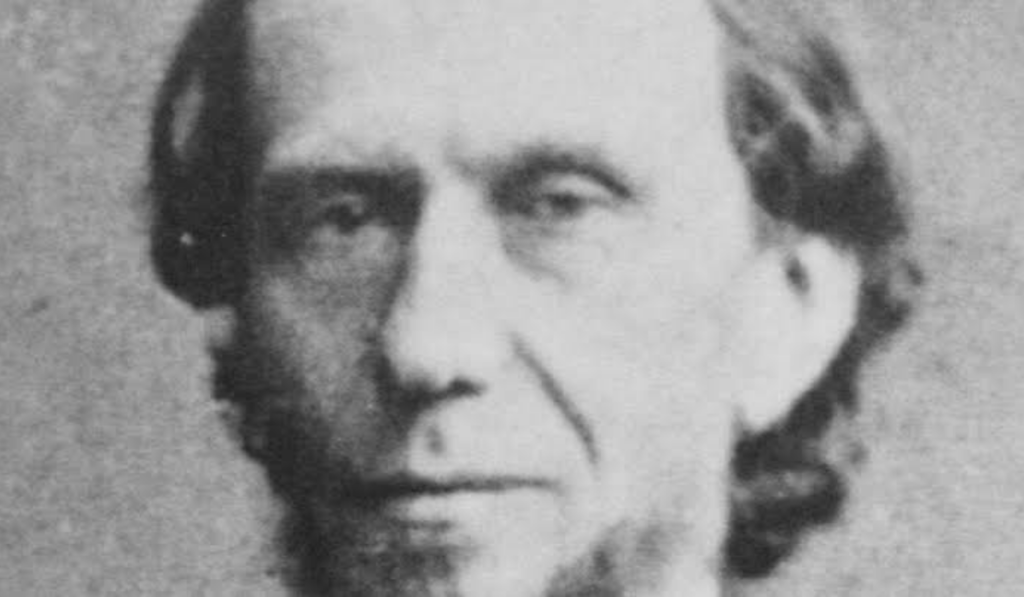
Seeking advanced academic and theological training Andrew Murray required traveling far from his native homeland. He journeyed to Scotland alongside his brother to pursue formal Andrew Murray education at the University of Aberdeen. Academic dedication resulted in the successful completion of a master’s degree. Following his time in Scotland, theological studies continued at the prestigious University of Utrecht in the Netherlands. These rigorous academic environments exposed him to intellectual movements and evangelical awakenings that profoundly influenced his developing worldview.
Ordination and Return to Africa
Completing his extensive studies marked the transition toward active pastoral duties. Ordained by the Hague Committee, he prepared to bring his refined theological insights back to his roots. Returning to South Africa in the late eighteen-forties initiated a demanding phase of pioneering ministry. Vast territories awaited spiritual guidance, presenting unique logistical and cultural hurdles. Stepping into this challenging environment tested his resolve and shaped his practical approach to pastoral care across frontier settlements.
Pioneering Pastoral Ministry Across Vast Parishes
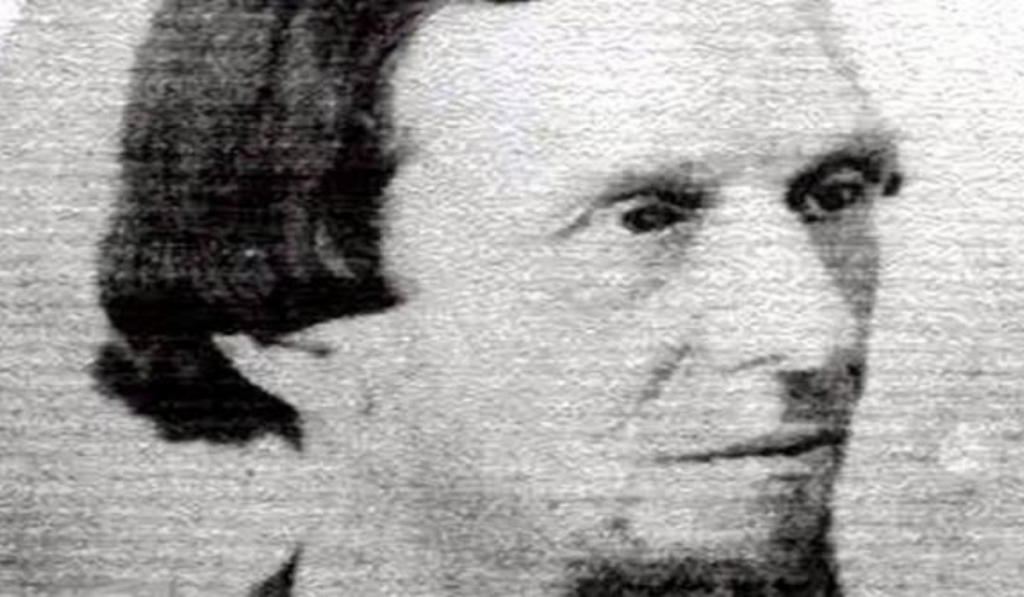
Assigned to expansive frontier regions meant traveling incredible distances on horseback and via wagon. Communities scattered across millions of hectares relied entirely on traveling ministers for sacraments and spiritual comfort. Despite harsh wilderness conditions and isolation, Andrew Murray maintained an indefatigable work ethic. His presence brought immense encouragement to isolated settlers striving to maintain their heritage far from major towns. These grueling journeys forged a deep connection between the young pastor and his resilient congregation.
Championing Educational Reform
Recognizing the vital need for structured learning, extensive efforts were channeled into educational development. Founding schools and training institutions became a central pillar of his long-term vision for society. He understood that robust educational frameworks were essential for sustaining spiritual vitality across future generations. Establishing seminaries and colleges provided local youth with access to quality instruction rooted in strong moral values. His institutional contributions transformed the academic landscape of the region permanently.
The Prolific Author and Writer
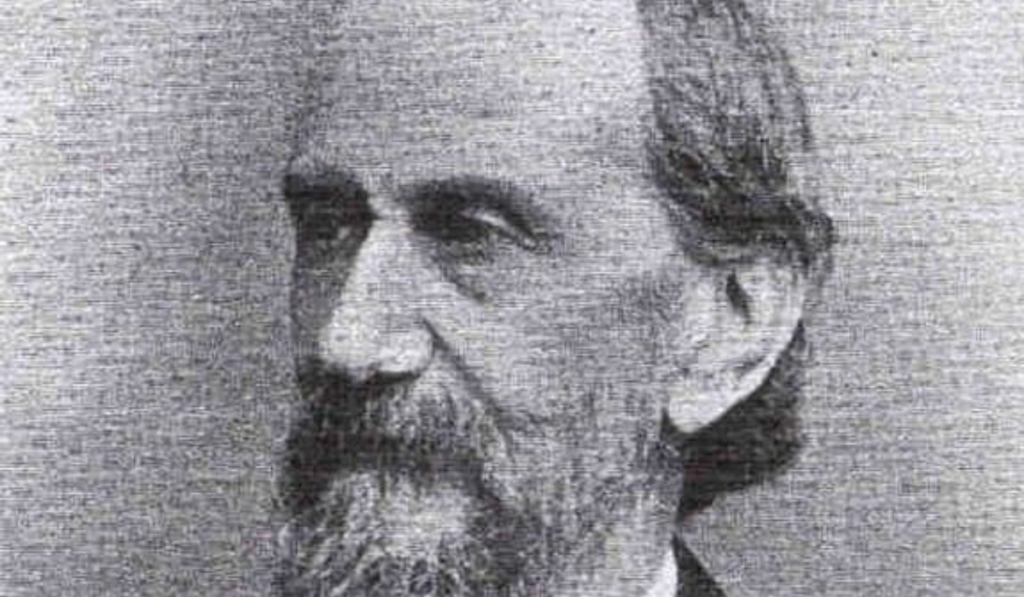
Beyond his pulpit responsibilities, a remarkable literary output emerged from daily devotional reflections. Writing extensively on prayer, holiness, and surrender occupied much of his mature life. Titles such as Abide in Christ achieved international acclaim, reaching readers globally through numerous translations. Each publication emphasized an intimate, unbroken walk with the Divine over mere external religiosity. Today, these classic texts remain cornerstones of devotional reading for individuals seeking deeper spiritual maturity.
Leadership Within the Church
Navigating theological controversies required steadfast leadership and unwavering conviction. Serving repeatedly as moderator demonstrated the high regard held by his peers within ecclesiastical councils. He actively defended traditional doctrines against rising waves of theological liberalism during the nineteenth century. Such administrative burdens never dampened his passion for revival and personal devotion. Instead, governance roles provided a broader platform to steer church communities toward unity and purposeful mission work.
Promoting Global Missions
A fervent global vision drove continuous advocacy for overseas and local missionary expansion. Mobilizing believers to engage actively in spreading the gospel remained a constant theme in his public addresses. Committees and organizations formed under his guidance successfully directed resources to unreached regions. He viewed evangelism not as an optional task, but as the primary calling of every authentic Christian community. This strategic focus significantly amplified the global reach of South African church bodies.
Marriage and Family Life
Balancing an intense travel schedule with domestic responsibilities required grace and intentional partnership. Marriage to Emma Rutherfoort brought deep companionship and a supportive household environment. Together they raised a large family amidst the demands of public life. Family devotions and mutual affection created a stable anchor against the turbulent pressures of ministry. His domestic experiences heavily informed his empathetic writings regarding Christian parenting and household harmony.
The South African Revival Movement
Spiritual awakenings swept through various congregations under his passionate guidance and persistent intercession. Crowds gathered eagerly to hear messages centered on repentance and the infilling of the Spirit. These movements transformed nominal believers into active participants in community transformation. He carefully stewarded these emotional gatherings, ensuring that genuine fruit accompanied the visible expressions of religious fervor. His leadership prevented fanaticism while maximizing long-lasting spiritual renewal.
Later Years and Formal Retirement
Advancing age eventually prompted a transition away from strenuous full-time parish administration. Relocating to Wellington allowed a shift of focus toward mentoring younger leaders and expanding his written ministry. Honorary doctorates bestowed by esteemed universities recognized his monumental academic and literary achievements. Even in retirement, correspondence and short tracts flowed steadily from his study, addressing spiritual hunger worldwide. Respect from the broader community cemented his status as a beloved elder statesman.
Core Theological Themes Explored
Pondering the divine nature formed the bedrock of every doctrine he espoused in print. Total dependence on divine grace rather than human effort remained a constant refrain. Humility was consistently presented as the supreme virtue for any follower walking closely with their creator. These timeless concepts challenged prevailing cultural assumptions of self-sufficiency. Readers found profound solace in instructions that pointed away from self-promotion toward quiet communion.
International Influence and Travel
Speaking engagements frequently took him across international borders to address major conferences. European audiences welcomed his insightful expositions on the deeper Christian life with immense enthusiasm. These travels bridged gaps between isolated colonial churches and mainstream global movements. Wherever he traveled, listeners were captivated by his authentic demeanor and intense spiritual focus. His international presence established a bridge for cross-cultural theological exchange.
Enduring Impact on Modern Spirituality
Decades after his passing, re-issued volumes maintain steady popularity among contemporary believers. Modern publishers continue distributing his classics because the core messages address universal human struggles. Spiritual seekers facing modern anxieties still find practical wisdom within these yellowed pages. His ability to articulate complex spiritual truths simply ensures his ongoing relevance. Few historical figures maintain such a vibrant voice centuries after their physical departure.
Commemoration and Public Legacy
Statues and historical markers stand as visible reminders of a remarkable life well-lived. Dedicated monuments in prominent civic spaces honor his contributions to education and faith. Archives preserve his extensive correspondence, offering researchers deep insights into nineteenth-century society. Commemorative events periodically celebrate milestones associated with his extensive career. Such tributes ensure that future generations understand the magnitude of his cultural and spiritual footprint.
Reflections on Humility and Surrender
Writing extensively on self-renunciation stemmed from deep personal conviction and prayerful introspection. True greatness, according to his teachings, is found exclusively in serving others with a pure heart. These principles directly challenged institutional pride and worldly ambitions. Living out these ideals created a rare harmony between his written words and daily behavior. Observers frequently noted his genuine humility during everyday interactions.
The Power of Intercessory Prayer
Prayer was viewed not merely as a religious duty, but as the ultimate engine of spiritual breakthrough. Hours spent in quiet communion fueled an energetic outward ministry that touched thousands. His instructional guides on petitionary habits transformed how generations approached their devotional times. Believers learned to view prayer as a dynamic partnership with divine power. This emphasis remains perhaps his most defining legacy within global Christian practice.
Final Days and Peaceful Departure
Reaching advanced age brought a natural conclusion to an extraordinarily productive earthly journey. Surrounded by loved ones, he passed away peacefully in his beloved adopted home region. Tributes poured in from around the globe, mourning the loss of a giant of the faith. Though his voice fell silent, the ripples of his life’s work continued to expand unchecked. His departure marked the end of an era, yet cemented an eternal spiritual heritage.
Summary of Historical Significance
Reviewing the comprehensive timeline of events highlights a life dedicated entirely to higher principles. From frontier pastorate to international authorship, every endeavor reflected a cohesive devotion to spiritual truth. His ability to combine intellectual rigor with fervent piety remains a rare achievement. Future historians will continue studying his impact on regional development and global Christian literature. The enduring footprint of Andrew Murray guarantees his place among history’s most inspiring spiritual guides.
FAQs
- When was Andrew Murray born?
- Andrew Murray was born on May 9, 1828.
- Where was Andrew Murray from?
- He was born in Graaff-Reinet, South Africa.
- What is Andrew Murray best known for?
- He is best known for writing numerous devotional books on prayer and the deeper Christian life.
- How many books did Andrew Murray write?
- He authored more than two hundred books during his lifetime.
- When did Andrew Murray pass away?
- He passed away on January 18, 1917.