 admin
admin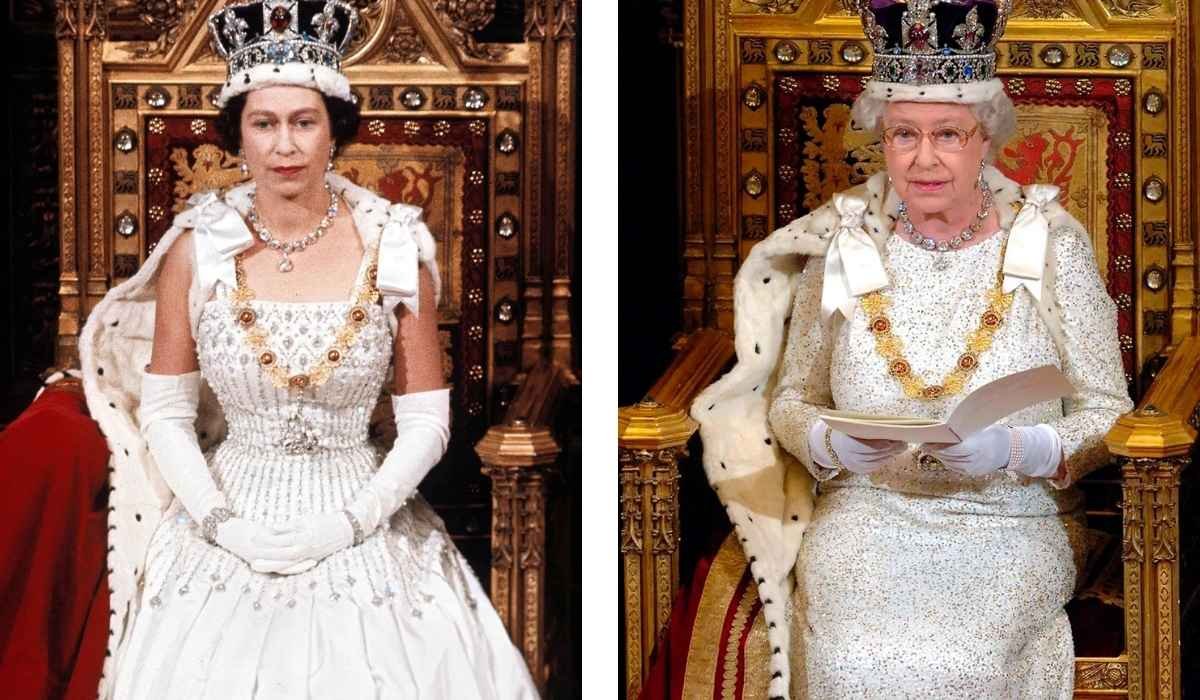
The extraordinary life of Queen Elizabeth II began on April 21, 1926, in Mayfair, London, as the first child of the Duke and Duchess of York. Nobody anticipated that young princess would eventually ascend to the global stage as a defining monarch. Growing up alongside her younger sister Margaret, her early years were relatively sheltered until a major constitutional shift occurred. Her grandfather King George V passed away, and following the abdication of her uncle Edward VIII, her father became King George VI. This sudden change thrust Queen Elizabeth II directly into the primary line of royal succession.
Early Childhood and Family Background
The formative years of Queen Elizabeth II were shaped by a close-knit family environment and royal traditions. Born into the House of Windsor, she received a comprehensive private education at home focusing heavily on history, law, and constitutional studies. Her parents emphasized public service, duty, and resilience, traits that would come to define her entire character. Despite the immense privilege of her upbringing, she experienced the same anxieties as other children during times of national uncertainty. These early experiences laid a solid psychological foundation for Queen Elizabeth II as she prepared for a future of unprecedented public responsibility.
The Impact of the Second World War
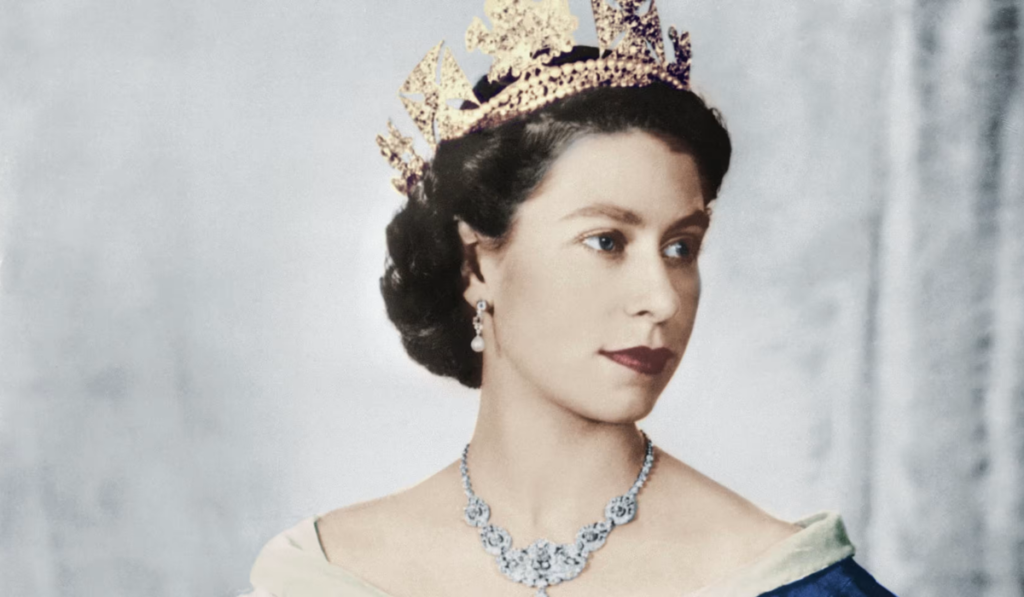
World War II tested the resolve of the British nation, and Queen Elizabeth II rose to the occasion magnificently. Refusing evacuation overseas, she remained steadfastly at Windsor Castle alongside her family to support civilian morale. In 1940, she made her historic first radio broadcast to children who had been evacuated from major cities. Later, she joined the Auxiliary Territorial Service, training actively as a mechanic and military truck driver. This hands-on military service gave Queen Elizabeth II a unique perspective on ordinary life, fundamentally shaping her deep empathy for working-class citizens.
Meeting and Marrying Prince Philip
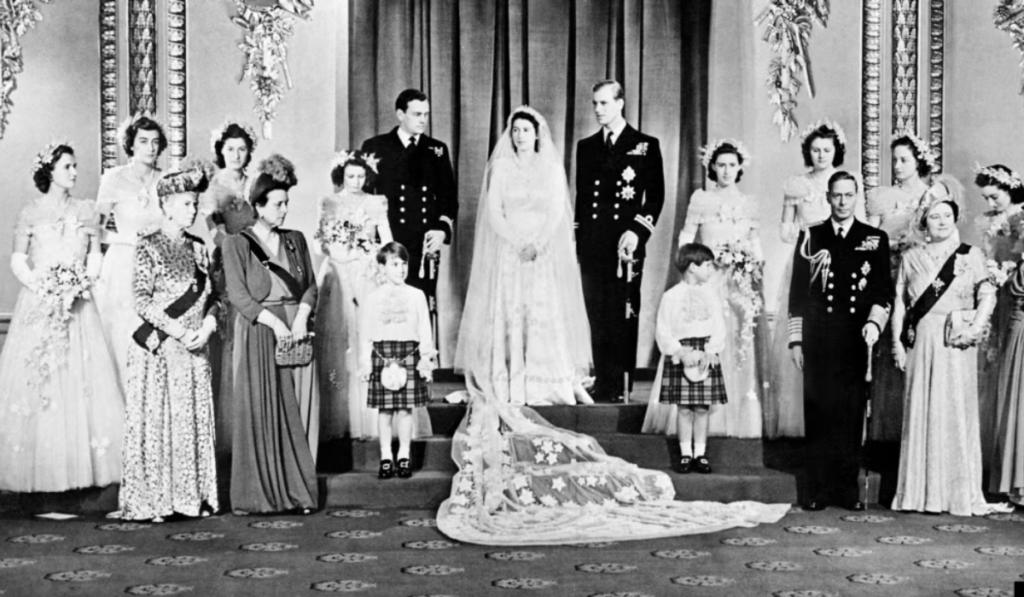
Romance blossomed when a young Queen Elizabeth II met her distant cousin Prince Philip of Greece and Denmark. Their relationship deepened through years of correspondence during the turbulent war years before culminating in a grand royal wedding. Celebrated at Westminster Abbey on November 20, 1947, the marriage marked the beginning of a remarkable partnership that lasted over seven decades. Prince Philip became her steadfast companion, offering continuous strength behind the scenes. Together, they built a family foundation that supported Queen Elizabeth II through the immense pressures of modern global leadership.
Accession to the Throne in 1952
Tragedy struck the royal household when King George VI passed away abruptly on February 6, 1952. At that exact moment, Queen Elizabeth II was staying in Kenya on an official tour, transforming from a grieving daughter into a reigning monarch overnight. Thrust onto the global stage at the tender age of twenty-five, she immediately embraced her constitutional obligations. Prime Minister Winston Churchill and other statesmen welcomed her ascension with high hopes for a prosperous new Elizabethan era. Thus, Queen Elizabeth II began her historic seven-decade journey steering the British Commonwealth through shifting geopolitical landscapes.
The Historic Coronation at Westminster Abbey
Global audiences witnessed a magnificent spectacle on June 2, 1953, during the formal coronation of Queen Elizabeth II. Breaking centuries of rigid tradition, the sacred ceremony at Westminster Abbey was broadcast live on television for millions worldwide to watch. This modern approach signaled that Queen Elizabeth II understood the importance of connecting directly with her citizens through emerging mass media. People gathered in massive crowds despite heavy rain to celebrate a glittering new chapter of national identity. The crown bestowed upon Queen Elizabeth II symbolized unity, continuity, and enduring hope for a post-war generation.
Expanding the Commonwealth of Nations
Transformation defined the geopolitical sphere as Queen Elizabeth II actively championed the evolution of the British Empire into the modern Commonwealth. Traveling extensively across continents, she visited developing nations and established diplomatic bridges with diverse cultures. Her dedication kept over two billion people linked through shared values of democracy, peace, and mutual cooperation. As a unifying figurehead, Queen Elizabeth II navigated the complex tides of decolonization with remarkable grace, tact, and political neutrality. Few leaders in human history matched the diplomatic reach achieved by Queen Elizabeth II across international borders.
Working Relationships with British Prime Ministers
Governance required weekly private audiences where Queen Elizabeth II met face-to-face with fifteen successive British prime ministers. From Winston Churchill to Liz Truss, every leader benefited from her vast institutional memory and confidential counsel. Operating strictly as a constitutional monarch, Queen Elizabeth II maintained absolute political neutrality while exercising her right to encourage, advise, and warn. Prime ministers consistently praised her sharp intellect, preparedness, and profound understanding of state affairs. State papers delivered daily in red boxes kept Queen Elizabeth II deeply informed until her final days.
Patronages and Dedication to Charities
Philanthropy and public service formed the core pillars of the professional life maintained by Queen Elizabeth II. She served as the royal patron or president for over five hundred distinct charitable organizations, professional bodies, and public institutions. These varied greatly from large international welfare groups to small localized preservation initiatives. By lending her prestigious name and personal presence, Queen Elizabeth II amplified fundraising efforts and recognized invaluable societal contributions. Her unwavering commitment ensured that countless vulnerable populations championed by Queen Elizabeth II received critical media attention and resource support.
Navigating Family Trials and Public Scrutiny
Every major institution faces severe trials, and Queen Elizabeth II weathered numerous personal and public crises throughout her reign. The year 1992 famously brought what she described as her annus horribilis, marked by marital breakdowns of her children and a devastating fire at Windsor Castle. Later, public grief following the tragic death of Diana, Princess of Wales, tested the traditional boundaries of the royal household. Through calm leadership, adaptability, and direct public communication, Queen Elizabeth II successfully modernized public perception. The resilience displayed by Queen Elizabeth II ultimately secured the long-term survival of the British monarchy.
Golden and Diamond Royal Jubilees
National milestones brought joyous celebrations, highlighted by the Golden, Diamond, and Platinum Jubilees of Queen Elizabeth II. Millions of enthusiastic citizens flooded London streets during these monumental celebrations to express deep affection and loyalty. Massive concert events held outside Buckingham Palace showcased global musical icons paying tribute to her legendary service. These festive occasions allowed Queen Elizabeth II to reflect publicly on the shared journey of her people. Gratitude echoed globally as nations honored the tireless endurance embodied by Queen Elizabeth II across decades of change.
Cultural Iconography and Global Influence
Beyond political boundaries, Queen Elizabeth II emerged as an instantly recognizable pop culture icon and artistic muse. Her distinctive colorful wardrobe, signature handbags, and dry humor cemented her status in global media and fashion. Artists, filmmakers, and photographers continuously captured her likeness, transforming Queen Elizabeth II into a symbol of permanence in a fast-paced digital world. Whether featured in satirical television dramas or classic postage stamps, the cultural footprint left by Queen Elizabeth II remains utterly unmatched. Generations grew up viewing Queen Elizabeth II as the ultimate embodiment of British dignity.
Passion for Animals and Country Pursuits
Private life provided essential respite for Queen Elizabeth II at her beloved rural estates like Balmoral Castle and Sandringham House. A lifelong animal lover, she was world-renowned for her deep passion for horses, equestrian breeding, and her treasured Pembroke Welsh Corgis. Walking through the misty Scottish highlands offered Queen Elizabeth II the tranquility needed to recharge away from public fanfare. These rural hobbies highlighted a down-to-earth side of Queen Elizabeth II that resonated strongly with traditional British countryside communities. Preserving British heritage was a deeply personal mission cherished daily by Queen Elizabeth II.
Adapting the Monarchy for the Digital Age
Technological innovation transformed society, and Queen Elizabeth II ensured the royal institution evolved alongside modern communication tools. She sent her very first electronic mail message in 1976 from a military research facility and later launched official digital websites and social media channels. During global disruptions, televised broadcasts delivered by Queen Elizabeth II offered reassuring messages of comfort and solidarity to isolated citizens. Balancing ancient traditions with modern digital engagement proved crucial for keeping Queen Elizabeth II relevant to younger generations. Progressive modernization defined the latter half of the reign of Queen Elizabeth II.
The Loss of Prince Philip
Deep personal sorrow marked the final years of Queen Elizabeth II following the passing of her beloved husband, Prince Philip, in April 2021. Seated alone inside St George’s Chapel due to strict public health protocols, a grieving Queen Elizabeth II touched hearts worldwide with her solemn dignity. Losing her companion of seventy-three years left an immense void in the private life of Queen Elizabeth II. Yet, displaying her characteristic strength, Queen Elizabeth II promptly returned to her official duties, prioritizing national stability above personal grief. Her stoic endurance during deep sorrow deeply inspired millions.
Celebrating the Historic Platinum Jubilee
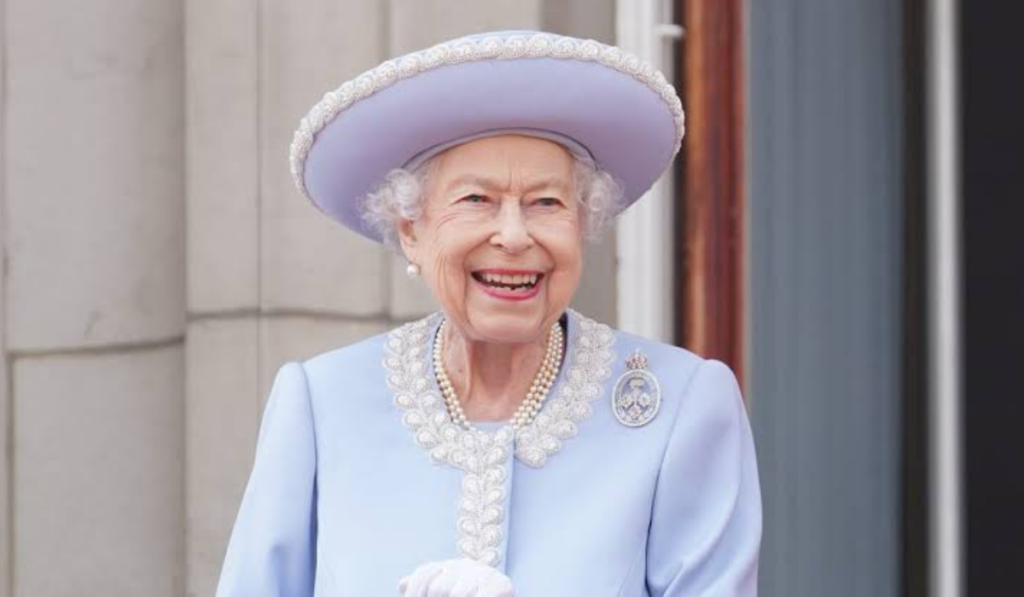
A monumental milestone was reached in 2022 when Queen Elizabeth II celebrated her historic Platinum Jubilee, marking seventy years on the throne. Communities across the Commonwealth organized festive street parties, beacon lightings, and grand parades to honor her unmatched dedication. Although mobility issues limited some of her physical appearances, a smiling Queen Elizabeth II greeted cheering crowds from the famous Buckingham Palace balcony. This landmark celebration confirmed that the affection held for Queen Elizabeth II transcended political generations. Seventy years of service defined the extraordinary legacy cemented by Queen Elizabeth II.
Final Public Duties and Appointment of Liz Truss
Unwavering commitment to duty characterized the final week of life experienced by Queen Elizabeth II at Balmoral Castle. Demonstrating her steadfast work ethic, she formally received outgoing Prime Minister Boris Johnson and appointed incoming Prime Minister Liz Truss just days before her passing. Fulfilling constitutional obligations until the very end, Queen Elizabeth II exemplified total devotion to her country. Photographs from that final audience captured Queen Elizabeth II smiling warmly while leaning on her walking cane. Serving as head of state right up to her final hours defined the incredible resilience of Queen Elizabeth II.
Passing at Balmoral Castle
An era officially concluded when Queen Elizabeth II peacefully passed away at Balmoral Castle in Scotland on September 8, 2022, at the age of ninety-six. Global leaders, international organizations, and millions of mourning citizens paused to reflect on her monumental impact on modern history. State funeral proceedings in London and Windsor brought together global dignitaries for a historic farewell fitting for Queen Elizabeth II. Her eldest son immediately succeeded her as King Charles III, ensuring structural continuity. The passing of Queen Elizabeth II marked the end of the second-longest recorded reign of any sovereign state monarch in history.
The Enduring Historical Assessment
History will forever remember Queen Elizabeth II as a stabilizing anchor through turbulent global transformations, wars, and social revolutions. Her life exemplified the profound mantra that duty must always supersede personal comfort. From her unexpected youth in London to ruling a vast Commonwealth, Queen Elizabeth II redefined modern monarchy with elegance. Monuments, institutions, and collective memories will permanently preserve the remarkable footprint left by Queen Elizabeth II. Generations to come will study the leadership model established globally by Queen Elizabeth II.
Reflection on a Lifetime of Service
Concluding a legendary chapter, the monumental impact of Queen Elizabeth II continues to resonate profoundly across international societies and institutions. Her legacy serves as a masterclass in diplomacy, emotional restraint, and public commitment. Citizens worldwide continue to honor the values championed by Queen Elizabeth II throughout her historic seventy-year tenure. As political landscapes continue to shift rapidly, the steady hand once held by Queen Elizabeth II remains a golden standard for public leadership. History will forever celebrate the remarkable life and enduring grace of Queen Elizabeth II.
Frequently Asked Questions
- When was Queen Elizabeth II born?
- Queen Elizabeth II was born on April 21, 1926, in Mayfair, London.
- How long did Queen Elizabeth II reign?
- Her historic reign lasted for 70 years and 214 days, from February 1952 until September 2022.
- Who was the husband of Queen Elizabeth II?
- She was married to Prince Philip, the Duke of Edinburgh, from 1947 until his death in 2021.
- How many children did Queen Elizabeth II have?
- She had four children: King Charles III, Princess Anne, Prince Andrew, and Prince Edward.
- Where did Queen Elizabeth II pass away?
- She passed away peacefully at Balmoral Castle in Scotland on September 8, 2022.