 admin
admin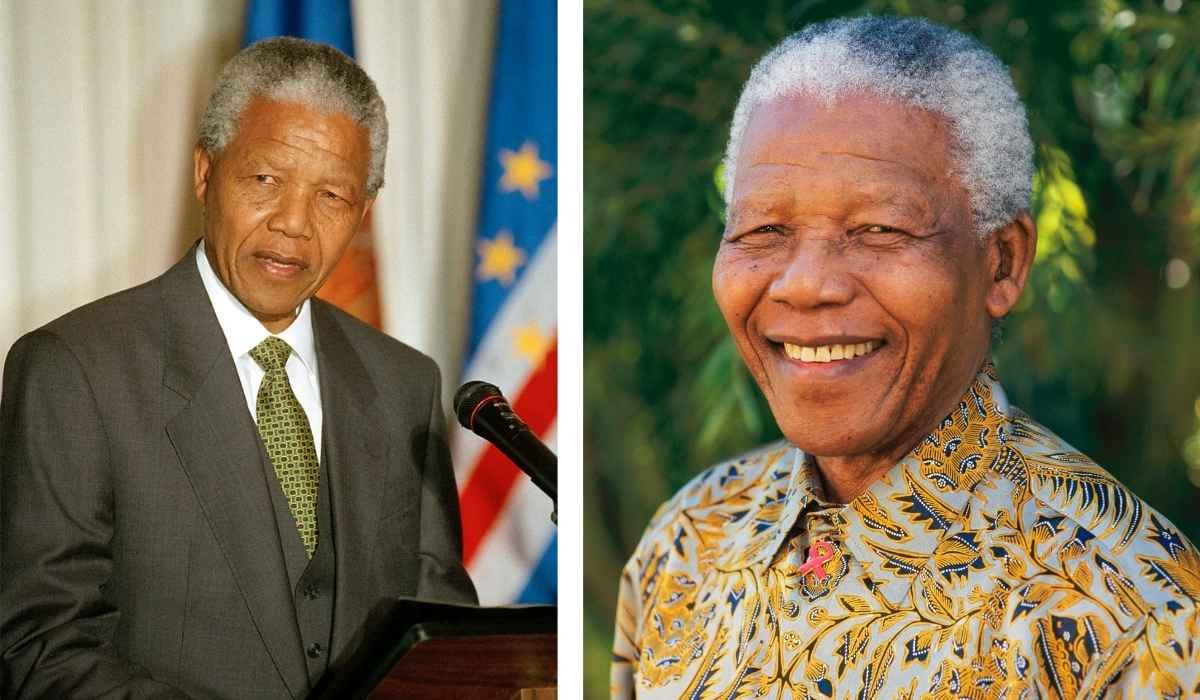
Nelson Mandela remains one of the most powerful and inspirational figures in modern human history. As a tireless fighter against the brutal system of racial oppression, Nelson Mandela transformed the sociopolitical landscape of South Africa and captured the admiration of the entire world. His remarkable journey from a rural village upbringing to becoming the first democratically elected Black president of his nation is a testament to the unyielding power of human perseverance and moral integrity. This comprehensive article explores the multifaceted chapters of his extraordinary life, detailing his profound sacrifices, his steadfast commitment to justice, and his lasting impact on global human rights.
Quick Bio Overview
| Feature | Description |
| Full Name | Rolihlahla Nelson Mandela |
| Date of Birth | July 18, 1918 |
| Place of Birth | Mvezo, South Africa |
| Political Party | African National Congress (ANC) |
| Presidency Term | 1994 – 1999 |
| Key Award | Nobel Peace Prize (1993) |
| Date of Passing | December 5, 2013 |
Early Childhood Roots and Royal Heritage Background
Born in the small rural village of Mvezo, the young boy who would grow up to become Nelson Mandela experienced a traditional upbringing deeply rooted in Thembu royal customs and community values. Raised close to nature, he listened intently to tribal elders recount historical tales of African leadership, resistance, and ancestral wisdom that deeply shaped his worldview. These formative years instilled in him a strong sense of personal dignity, community responsibility, and an early awareness of the traditional governance systems operating across the region. His royal lineage provided unique opportunities, yet he chose a path dedicated to public service.
Educational Pursuits and Early Legal Career
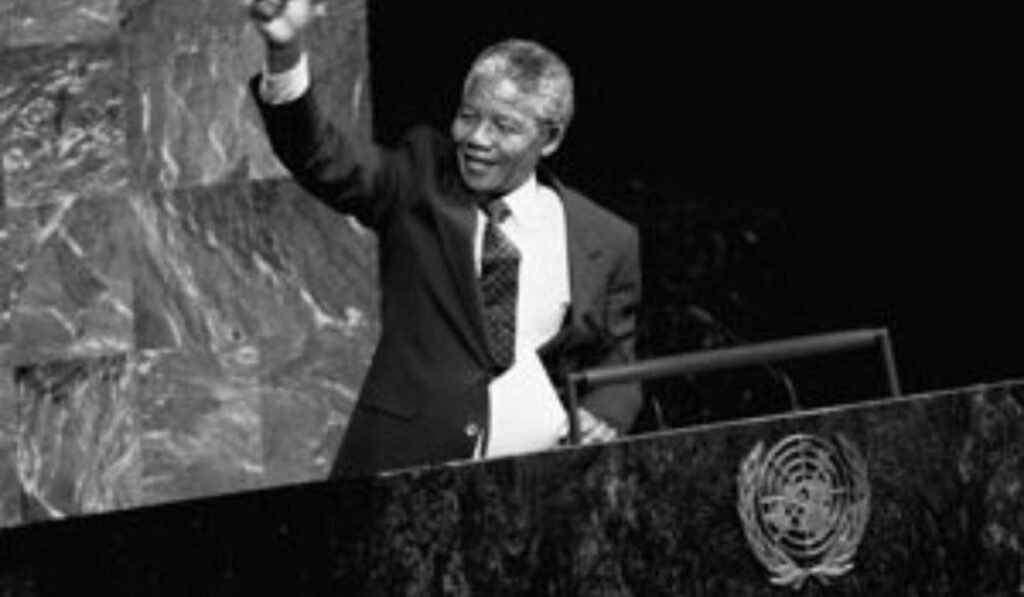
Moving forward into his young adulthood, Nelson Mandela pursued higher education at the prestigious University College of Fort Hare before completing his legal and academic studies through other institutions in Johannesburg. Immersed in a bustling urban environment, he encountered intense racial segregation and systemic discrimination firsthand, which catalyzed his transition into active political organizing. Alongside his legal studies, he worked various jobs to sustain himself while forging lifelong friendships with fellow activists. This vital period equipped him with the intellectual foundation, professional discipline, and critical legal knowledge necessary to challenge unjust state laws effectively.
Joining the African National Congress Movement
Entering the political arena during the turbulent 1940s, Nelson Mandela officially joined the African National Congress to fight against colonial disenfranchisement and advocate for native rights. Alongside visionary colleagues, he helped establish the ANC Youth League, injecting fresh energy, radical urgency, and mass mobilization tactics into an organization seeking structural reform. Through passionate speeches, grassroots organizing, and strategic planning, he quickly rose through the leadership ranks, becoming a central figure in coordinating nationwide resistance. His unwavering dedication transformed the party into a formidable liberation movement capable of challenging the entrenched white minority government.
The Crucial Defiance Campaign and Activism
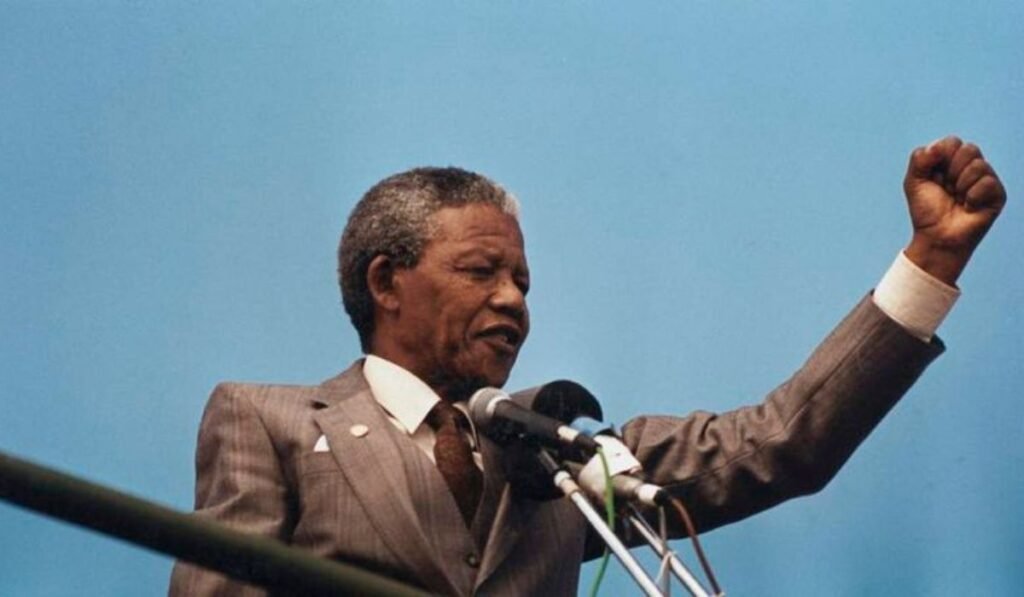
Stepping into national prominence during the early 1950s, Nelson Mandela served as a primary volunteer-in-chief for the historic Defiance Campaign against unjust pass laws and discriminatory regulations. This coordinated mass mobilization encouraged thousands of citizens to peacefully violate petty apartheid statutes, demonstrating collective solidarity and disciplined resistance against state oppression. Despite facing subsequent arrests, banning orders, and persistent police harassment, he remained entirely resolute in his pursuit of fundamental democratic freedoms. His strategic leadership during these intense protests cemented his reputation as a fearless champion of civil disobedience and human rights.
Surviving the Rivonia Trial and Imprisonment
Facing mounting state repression and the systematic closure of peaceful political avenues, Nelson Mandela participated in founding an underground armed wing to conduct strategic sabotage against military installations. Following a high-profile police raid, he and several comrades were captured, prosecuted in the infamous Rivonia Trial, and ultimately sentenced to life imprisonment in 1964. Confined to the harsh maximum-security prison on Robben Island, he endured decades of brutal physical labor, severe isolation, and psychological torment. Yet, behind cold concrete walls, he maintained his moral authority, quietly guiding fellow inmates and remaining an enduring symbol of hope.
Decades Behind Bars on Robben Island Fortress
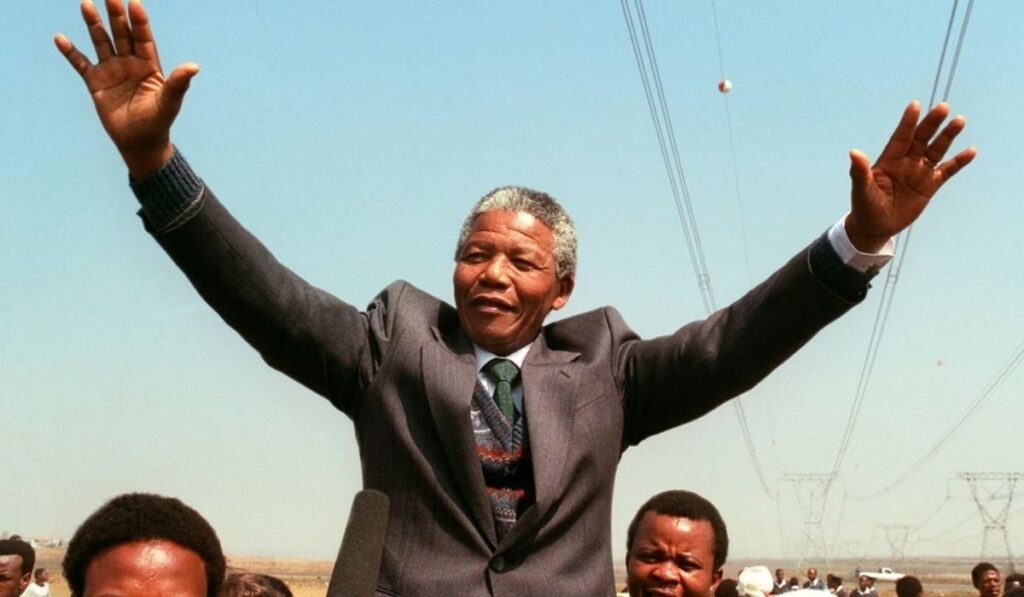
Enduring twenty-seven grueling years of captivity, Nelson Mandela spent the majority of his sentence isolated on Robben Island under tightly controlled, punishing conditions designed to break his spirit completely. Despite strict censorship and limited contact with the outside world, he transformed his prison cell into an informal university, debating politics and mentoring younger political prisoners. His steadfast refusal to compromise his core principles or accept conditional release deals under false pretenses earned him global reverence. Through unwavering resilience, his imprisoned voice echoed far beyond prison boundaries, galvanizing international anti-apartheid solidarity networks across continents.
Global Solidarity and Free Movement Pressure
Sparking an unprecedented worldwide movement, international activists continuously demanded that Nelson Mandela be unconditionally freed from unjust imprisonment by the apartheid regime. Massive rallies, benefit concerts, cultural boycotts, and economic sanctions pressured foreign governments to isolate South Africa diplomatically until meaningful reforms occurred. The iconic slogan calling for his release resonated powerfully in major cities globally, turning a localized political struggle into a universal human rights crusade. This immense external pressure crippled the apartheid regime’s legitimacy, forcing white minority leaders to reconsider their hardline stance and acknowledge the inevitability of change.
Historic Release From Prison After Years
Signaling a monumental turning point in modern history, Nelson Mandela finally walked out of Victor Verster Prison as a free man on a historic Sunday in February 1990. Raising his clenched fist to cheering multitudes gathered outside, he delivered an electrifying speech reaffirming his lifelong commitment to peace, democracy, and total racial equality. His long-awaited release electrified the nation, signaling the definitive beginning of the end for decades of institutionalized segregation. Stepping back into the political spotlight immediately, he assumed leadership responsibilities to guide his fractured country through complex transitional negotiations.
Negotiating the Peaceful Transition to Democracy
Navigating intense political volatility, Nelson Mandela engaged in delicate, high-stakes negotiations with the ruling government to dismantle apartheid and establish universal suffrage. Demonstrating extraordinary statesmanship, he balanced revolutionary demands with pragmatic compromises, ensuring that the fears of minority communities were addressed constructively. His ability to maintain open dialogue amidst escalating violence prevented civil war and steered the nation toward a negotiated constitutional settlement. For these monumental peaceful efforts, he and former adversary F.W. de Klerk were jointly honored with the prestigious Nobel Peace Prize.
Triumph in the Historic 1994 General Election
Achieving a profound democratic milestone, Nelson Mandela led the African National Congress to victory in South Africa’s first fully representative, multi-racial democratic election in April 1994. Millions of citizens stood in long, patient queues for hours to cast their historic ballots, marking the birth of a new rainbow nation. Triumphantly inaugurated as the country’s first Black head of state, he broke centuries of exclusive minority rule. His ascension to the presidency represented the ultimate triumph of justice over tyranny, inspiring oppressed populations across the globe with a renewed faith in democratic possibilities.
Presidential Leadership and National Reconciliation
Stepping into the highest executive office, Nelson Mandela prioritized profound racial reconciliation over retribution, deliberately fostering unity across a deeply divided society. Rather than seeking vengeance against former oppressors, he championed forgiveness, cultural inclusivity, and institutional reform to heal historical wounds. His administration worked diligently to deliver basic services, housing, water, and electricity to marginalized communities previously neglected by the state. Through symbolic gestures, such as wearing the Springbok rugby jersey during the 1995 World Cup final, he united diverse populations behind a shared national identity.
Establishing the Truth and Reconciliation Commission
Promoting deep societal healing, Nelson Mandela supported the establishment of the groundbreaking Truth and Reconciliation Commission to investigate human rights abuses committed under apartheid. This unique restorative justice body allowed victims to share their painful stories publicly while offering perpetrators amnesty in exchange for full, honest disclosures. By bringing dark truths to light rather than burying them, the commission helped the nation confront its traumatic past collectively. This visionary framework became an internationally acclaimed model for transitional justice, proving that societies emerging from conflict can achieve peace through transparency and accountability.
International Statesmanship and Global Diplomacy
Extending his visionary influence far beyond national borders, Nelson Mandela utilized his immense moral capital to mediate international conflicts and promote global peace. He traveled extensively across Africa and the wider world, lending his trusted voice to diplomatic missions in places like Burundi, the Middle East, and beyond. As a revered elder statesman, he advocated tirelessly for nuclear disarmament, economic development in impoverished regions, and robust international cooperation. His diplomatic interventions consistently emphasized mutual respect, human dignity, and the peaceful resolution of disputes through dialogue rather than military force.
Championing Public Health and Social Causes
Directing his post-presidential energy toward critical humanitarian challenges, Nelson Mandela dedicated significant resources to combating the devastating HIV/AIDS epidemic affecting vulnerable populations. He spoke candidly about the disease, publicly challenging social stigmas and urging governments to implement aggressive healthcare responses after losing family members to the illness. Through his charitable foundations, he also focused intensely on expanding access to quality education, youth development, and rural community welfare programs. His philanthropic initiatives ensured that his lifelong mission of uplifting ordinary people continued long after he stepped down from formal political office.
Cultural Icon Status and Global Reverence
Transcending ordinary political categorization, Nelson Mandela evolved into a timeless cultural icon representing the absolute best of the human spirit. Artists, musicians, writers, and poets worldwide dedicated works, songs, and exhibitions to celebrate his enduring commitment to freedom and equality. Citizens across diverse cultural backgrounds embraced him as a universal moral compass whose humility matched his legendary stature. This profound global reverence ensured that his image remained synonymous with courage, compassion, and the relentless pursuit of justice for generations to come.
Retirement from Public Life and Quiet Reflection
Choosing to step back gracefully from active public engagements, Nelson Mandela announced his formal retirement in 2004 to spend peaceful final years with family in Qunu. Despite withdrawing from the daily political spotlight, he remained deeply beloved, offering occasional wise counsel on major national and international issues when consulted. His decision to relinquish power voluntarily after a single presidential term set a powerful democratic precedent for leaders worldwide. Surrounded by loved ones, his later years reflected the quiet dignity of a man who had fulfilled his historical destiny completely.
The Passing of a Legendary Global Hero
Experiencing declining health during his advanced age, Nelson Mandela passed away peacefully on December 5, 2013, at his home in Johannesburg, plunging the world into deep mourning. Global leaders, royalty, ordinary citizens, and activists gathered to celebrate his extraordinary life during massive memorial services reflecting immense gratitude. Tributes poured in from every corner of the earth, honoring a man who gave twenty-seven years of his life so that others might live free. His departure marked the end of an era, yet his towering spirit remained eternally woven into the fabric of modern history.
Enduring Legacy and Impact on Future Generations
Leaving an indelible mark on human history, Nelson Mandela continues to inspire new generations of activists, leaders, and everyday citizens fighting for systemic change. His teachings on patience, strategic compromise, relentless perseverance, and radical forgiveness serve as an essential roadmap for addressing modern social injustices. Educational institutions, public monuments, and global foundations carry forward his mission, ensuring that his visionary ideals never fade into obscurity. Ultimately, his life remains a brilliant beacon of hope, proving that one courageous individual can fundamentally reshape the destiny of the world.
Summary of His Transformative Historical Contributions
Looking back across an eventful century, Nelson Mandela fundamentally altered the course of human rights through his extraordinary courage and moral clarity. From his early days as a young lawyer to his historic presidency and global statesmanship, he demonstrated that tyranny can be defeated through unity. His capacity to forgive past atrocities while building a democratic society remains an unparalleled achievement in political leadership. As humanity faces ongoing global challenges, the timeless wisdom and shining example of Nelson Mandela continue to guide our collective journey toward lasting peace and equality.
Frequently Asked Questions
- What was Nelson Mandela’s main political achievement?
- He successfully negotiated the end of apartheid and became South Africa’s first Black president.
- How many years did Nelson Mandela spend in prison?
- He spent 27 grueling years imprisoned for opposing racial segregation.
- Did Nelson Mandela win a Nobel Prize?
- Yes, he was jointly awarded the Nobel Peace Prize in 1993.
- What was Nelson Mandela’s clan name?
- He was affectionately and respectfully known by his clan name, Madiba.
- When did Nelson Mandela pass away?
- He passed away on December 5, 2013, at the age of 95.