 admin
admin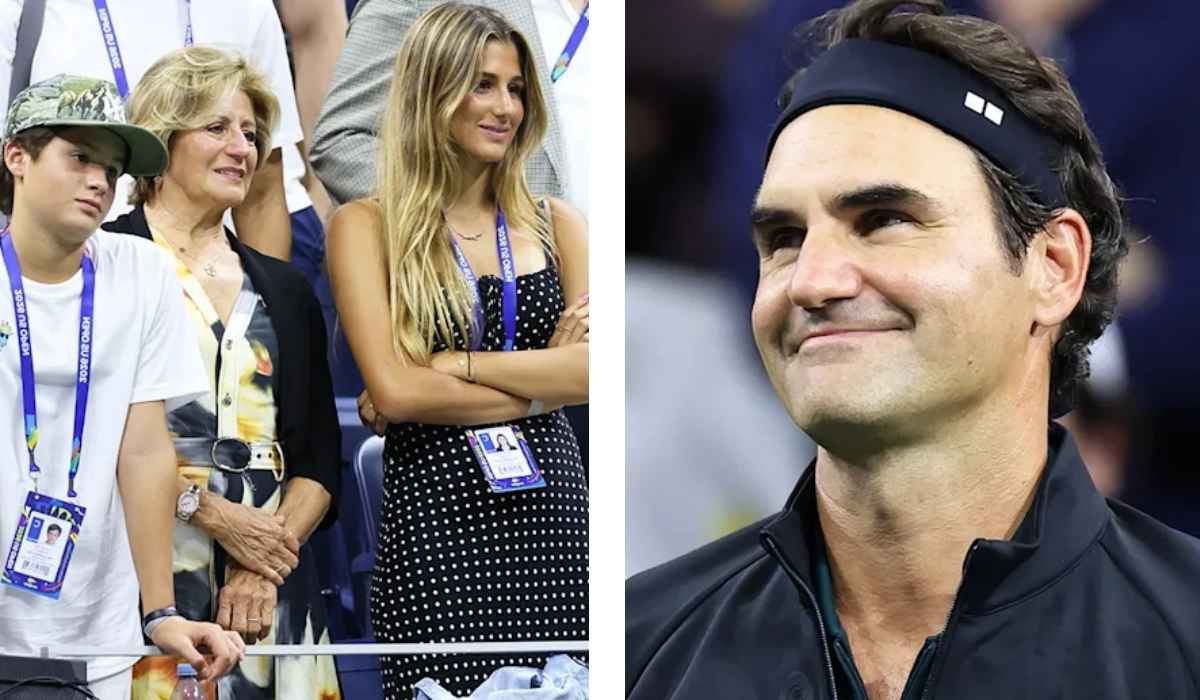
Roger Federer stands universally recognized as one of the most elegant, influential, and successful athletes in the history of professional sports. Born in Basel, Switzerland, on August 8, 1981, he captured the imagination of millions worldwide through his fluid style of play, unmatched sportsmanship, and incredible composure under pressure. Over a professional career that spanned more than two decades, he completely redefined what excellence meant on a tennis court.
From his early days as a talented junior player with fiery emotions to becoming the global ambassador of tennis, his journey remains an extraordinary testament to dedication, natural talent, and continuous evolution. Fans and experts alike continue to study his gameplay, match tactics, and athletic longevity. This detailed exploration dives deep into the life, career milestones, rivalries, and lasting legacy of Roger Federer.
Quick Biography Table
| Attribute | Detail |
| Full Name | Roger Federer |
| Date of Birth | August 8, 1981 |
| Birthplace | Basel, Switzerland |
| Nationality | Swiss |
| Playing Career | 1998–2022 |
| Grand Slam Titles | 20 |
| Olympic Medals | 1 Gold, 1 Silver |
Early Life and Childhood Roots
Growing up in Münchenstein near Basel, Roger Federer displayed an intense passion for sports from a very young age. He frequently played soccer, badminton, and tennis, quickly realizing that his greatest natural talent lay on the tennis court. As a young boy, he admired tennis stars like Boris Becker and Stefan Edberg, often watching their matches with rapt attention. However, his early junior years were marked by intense frustration whenever he missed a shot, leading to occasional outbursts of anger on the court. Recognizing his raw potential, his parents and early coaches worked diligently to help him channel his fiery emotions into disciplined, productive energy that would later define his iconic professional demeanor.
The Influence of Junior Success
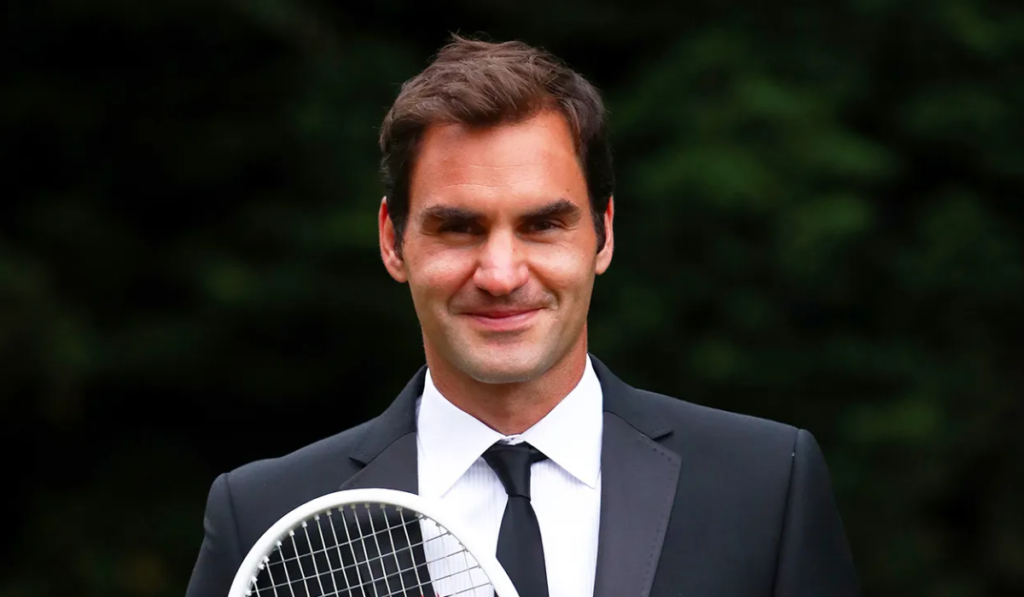
The turning point in his junior career arrived in 1998 when Roger Federer achieved a phenomenal double triumph at Wimbledon. He captured both the junior singles and junior doubles titles, signaling to the international tennis community that a future superstar was rising through the ranks. Shortly after, he secured the prestigious Orange Bowl crown in Miami, further solidifying his reputation as the top-ranked junior player in the world. These early victories provided him with the necessary confidence to transition into the senior professional tour. Winning at such a high level during his formative years taught him invaluable lessons about tournament pressure, physical conditioning, and the mental toughness required to survive among elite global competitors.
Transitioning to the Professional Tour
Stepping onto the senior professional circuit in 1998 was both an exciting and challenging transition for Roger Federer. He spent his initial years adapting to the sheer physical pace and tactical maturity of veteran players on the ATP Tour. Despite facing early round losses and occasional bouts of inconsistency, flashes of his brilliant shot-making abilities were always visible. Coaches guided him through the rigors of tour life, helping him refine his baseline game and master his signature aggressive style. This foundational period tested his resilience, eventually forging the unbreakable mental fortitude that would carry him to the very pinnacle of men’s professional tennis over the next two decades.
Breaking Through at Wimbledon
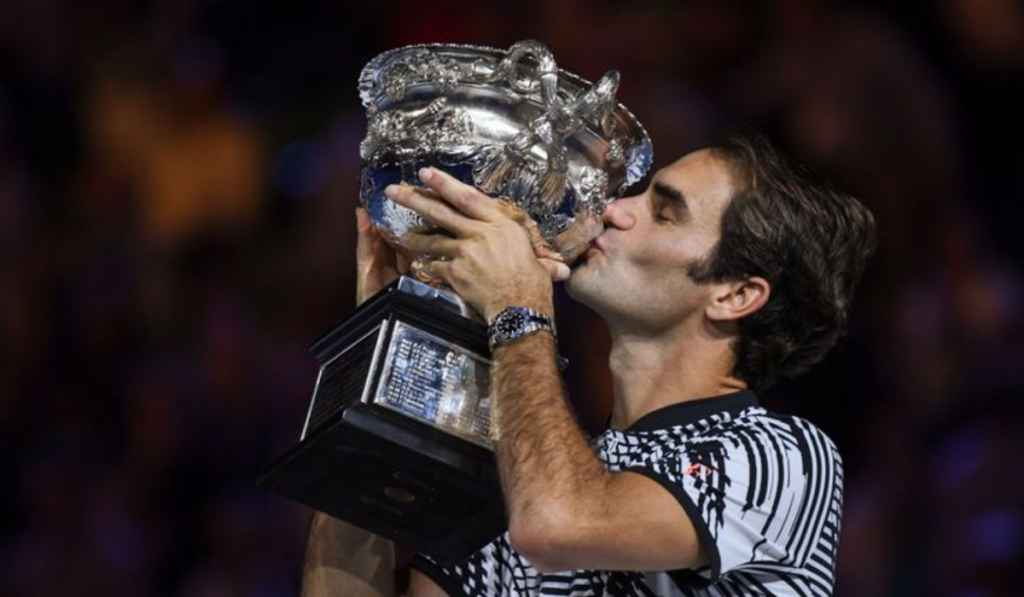
The historic year of 2003 marked a monumental milestone when Roger Federer claimed his very first Grand Slam singles title on the pristine grass courts of Wimbledon. Playing with breathtaking confidence and attacking flair, he defeated Mark Philippoussis in a brilliant final that announced his arrival as a true dominant force. This breakthrough victory lifted a massive psychological weight off his shoulders, validating years of grueling training and sacrifices. Lifting the golden trophy in London transformed him into a national hero in Switzerland and set the stage for an unprecedented era of sustained dominance that would forever alter the history and landscape of modern tennis.
The Golden Era of Absolute Dominance
Between 2004 and 2007, Roger Federer engineered what many analysts consider the most dominant four-year stretch in the history of men’s tennis. He secured the world number one ranking, holding it for a record 237 consecutive weeks while sweeping multiple Grand Slam titles year after year. His effortless movement, precise serve, and devastating forehand rendered opponents almost entirely helpless on grass and hard courts. During this golden phase, he reached 10 consecutive Grand Slam finals, winning a staggering majority of them and establishing a psychological aura of invincibility that commanded absolute respect from every single competitor across the entire professional athletic circuit.
Mastery on Grass and Hard Courts
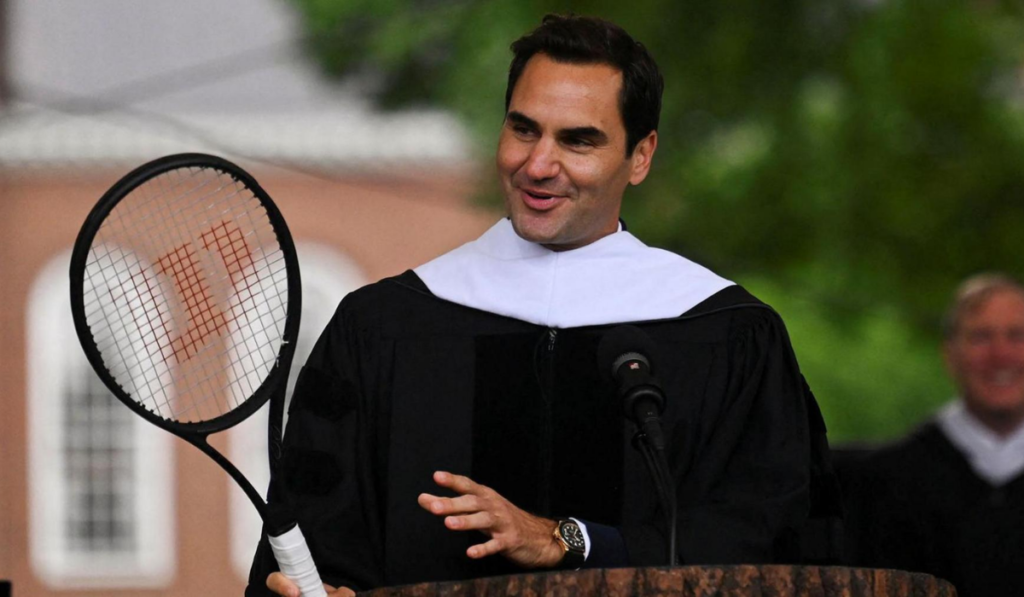
While he proved himself as a complete all-court player, Roger Federer achieved his greatest statistical success on grass and hard court surfaces. He captured an all-time record eight Wimbledon singles titles alongside a remarkable string of victories at the US Open and Australian Open. His supreme low-center-of-gravity movement, flawless slice backhand, and exceptional transition game made him virtually unbeatable on grass, where he once maintained a record-shattering 65-match winning streak. These specialized surface skills allowed him to accumulate numerous Masters 1000 trophies, particularly in Cincinnati and Halle, cementing his reputation as a tactical genius who could adapt his game seamlessly.
The Clay Court Challenge and Career Grand Slam
Conquering the grueling clay courts of Roland Garros proved to be a persistent challenge for Roger Federer due to the legendary dominance of contemporary specialists. However, his relentless persistence paid off brilliantly in 2009 when he triumphed at the French Open, defeating Robin Söderling in the final. This historic victory allowed him to complete the elusive Career Grand Slam, joining an elite group of men in tennis history to have won all four major titles. Winning in Paris solidified his versatility across every playing surface, proving that his technical brilliance and mental adaptability extended far beyond his favored grass and hard courts.
Epic Rivalries That Defined an Era
The extraordinary career of Roger Federer was profoundly shaped by his epic, legendary rivalries with fellow icons Rafael Nadal and Novak Djokovic. Together, this trio became collectively known as the Big Three, pushing each other to unimaginable athletic heights and rewriting tennis history books. His contrasting style against Nadal—featuring aggressive baseline striking versus heavy topspin—produced some of the greatest matches ever witnessed, including the unforgettable 2008 Wimbledon final. These high-stakes battles captivated global audiences, elevating the sport’s popularity to unprecedented levels and creating a golden era of sportsmanship, mutual respect, and fierce athletic competition.
The Historic 2017 Renaissance
After facing back injuries, knee surgeries, and a lengthy title drought that led critics to question his future, Roger Federer staged a miraculous career renaissance in 2017. Returning from a six-month hiatus, he entered the Australian Open with a slightly modified larger racket and a rejuvenated aggressive mindset. In a nostalgic and thrilling final, he defeated his arch-rival Rafael Nadal in five sets to claim his 18th Grand Slam title. This stunning comeback victory was followed by yet another dominant run at Wimbledon later that year, proving to the entire sporting world that true class and elite champion DNA are truly timeless.
Reaching the Milestone of Twenty Grand Slams
Continuing his magical late-career run, Roger Federer secured his twentieth Grand Slam singles title by successfully defending his crown at the 2018 Australian Open. By defeating Marin Čilić in a hard-fought final, he became the first male tennis player in history to reach the legendary milestone of twenty major titles. Shortly after this triumph, he briefly reclaimed the world number one ranking at age 36, making him the oldest player in ATP history to hold the top spot. This achievement encapsulated his remarkable longevity, meticulous physical management, and enduring passion for competing at the absolute highest level of professional sports.
Olympic Glory and National Pride
Representing Switzerland on the international stage always remained a profound source of pride and motivation for Roger Federer. He proudly carried the Swiss flag during the opening ceremonies of the Olympic Games on multiple occasions. His Olympic journey culminated in winning a gold medal in men’s doubles alongside Stanislas Wawrinka at the 2008 Beijing Olympics, followed by a hard-earned silver medal in singles at the 2012 London Olympics. Furthermore, his dedication to team competition shone brightly when he led Switzerland to historic victory in the Davis Cup in 2014, fulfilling another major career aspiration and delighting his passionate home fans.
Signature Playing Style and Elegance
The aesthetic appeal of Roger Federer’s playing style earned him widespread acclaim as the most graceful athlete to ever hold a tennis racket. Unlike many power baseliners, he utilized an all-court game characterized by effortless footwork, exceptional court vision, and early ball-striking. His single-handed backhand, fluid motion, and disguised drop shots became textbook examples for aspiring players globally. Analysts frequently noted how little physical effort his strokes appeared to require, a testament to his biomechanical efficiency and supreme timing. This unique blend of visual beauty and clinical effectiveness transformed every match he played into a masterclass of artistic athletic performance.
Exemplary Sportsmanship and Fan Adoration
Beyond his staggering record of victories, Roger Federer built an unblemished reputation for extraordinary sportsmanship, grace, and humility. He was honored by his peers with a record 13 Stefan Edberg Sportsmanship Awards, reflecting the deep respect he commanded within the locker room. Additionally, he won the ATP Fans’ Favorite Award for an astounding 19 consecutive years, demonstrating his immense global popularity among spectators. Whether winning a championship or accepting a tough defeat, his gentlemanly conduct on and off the court set a golden standard for professional behavior, endearing him to millions of loyal followers across all cultural backgrounds.
Philanthropy and the Roger Federer Foundation
Deeply committed to giving back to society, Roger Federer established his charitable foundation to support educational and developmental initiatives. The Roger Federer Foundation focuses primarily on empowering vulnerable children in Switzerland and several countries across southern Africa by funding quality early learning and school infrastructure. Through large-scale fundraising exhibitions, including the famous Match for Africa series, he raised millions of dollars for charitable causes. His philanthropic efforts highlight a profound awareness of his global platform, proving that his greatest impact extends far beyond tennis trophies and stretches into transforming thousands of young lives for the better.
Navigating Injuries and Final Years
The closing chapter of his professional journey was unfortunately marked by persistent knee issues and multiple surgical procedures that limited his playing time. Despite grueling rehabilitation regimens, time eventually caught up with his body, forcing him to make the difficult decision to step away from competitive play. Rather than fading quietly, he managed his final recovery with characteristic grace, ensuring his farewell would be celebrated rather than mourned. These challenging final years tested his emotional resilience, yet they also highlighted his unwavering dedication to the sport, as he fought through pain just to experience the joy of competing on big stages one last time.
The Emotional Farewell at the Laver Cup
In September 2022, Roger Federer officially brought down the curtain on his legendary career at the Laver Cup held in London. In a poignant final professional match, he teamed up with his longtime rival and close friend Rafael Nadal for an unforgettable doubles encounter. The emotional scenes that followed the match—featuring shared tears, prolonged applause from a standing ovation, and heartfelt speeches—touched the hearts of sports fans worldwide. Surrounded by his family, team, and greatest rivals, his retirement ceremony marked the end of an iconic chapter in sporting history, closing a glorious career characterized by unmatched elegance, dignity, and sporting excellence.
Enduring Records and Statistical Legacy
The statistical footprint left behind by Roger Federer remains etched permanently into the history of professional tennis. Accumulating 103 ATP singles titles, 310 total weeks as world number one, and 20 Grand Slam championships, his career metrics place him among the absolute immortals of sport. He holds numerous enduring records, including the most consecutive weeks at number one (237) and the most Wimbledon singles titles by a male player (8). These extraordinary records reflect a standard of excellence that future generations will strive to match, ensuring his name remains synonymous with the absolute peak of tennis achievement.
Cultural Impact and Global Influence
The cultural footprint of Roger Federer transcends athletic statistics, positioning him as a true global icon of style, sophistication, and success. He partnered with leading luxury and lifestyle brands, setting new benchmarks for athlete endorsements and commercial appeal. His influence inspired an entire generation of children to pick up a tennis racket, shaping the way modern tennis is played, watched, and marketed globally. Commentators, fashion designers, and artists regularly cite his effortless grace as a source of inspiration. Long after his final professional match, his cultural legacy continues to thrive, maintaining his status as a timeless symbol of sporting perfection.
The Timeless Legacy of a Tennis Icon
As the history of modern sport continues to evolve, the name Roger Federer will forever shine as a beacon of unmatched brilliance, class, and elegance. He transformed tennis into an art form, captivating global audiences with his effortless style and fierce competitive drive. From his humble beginnings in Basel to global adoration across every continent, his journey represents the ultimate realization of athletic potential. Though he no longer competes on the professional tour, his spirit lives on through his charitable foundation, his inspirational records, and the timeless memories he gifted to millions of devoted fans who witnessed the reign of the Swiss Maestro.
Frequently Asked Questions
- How many Grand Slam titles did Roger Federer win during his career?
- Roger Federer won a total of 20 Grand Slam singles titles during his illustrious professional career.
- What are the breakdown numbers of his Grand Slam victories across different surfaces?
- He secured 8 Wimbledon titles, 6 Australian Open titles, 5 US Open titles, and 1 French Open title.
- How many total weeks did Roger Federer spend ranked as the world number one?
- He spent a total of 310 weeks at the top of the ATP singles rankings, including 237 consecutive weeks.
- When did Roger Federer officially retire from professional tennis?
- He played his final professional match at the Laver Cup in September 2022.
- What is the name of the charitable organization founded by him?
- He established the Roger Federer Foundation to support educational projects for underprivileged children.