 admin
admin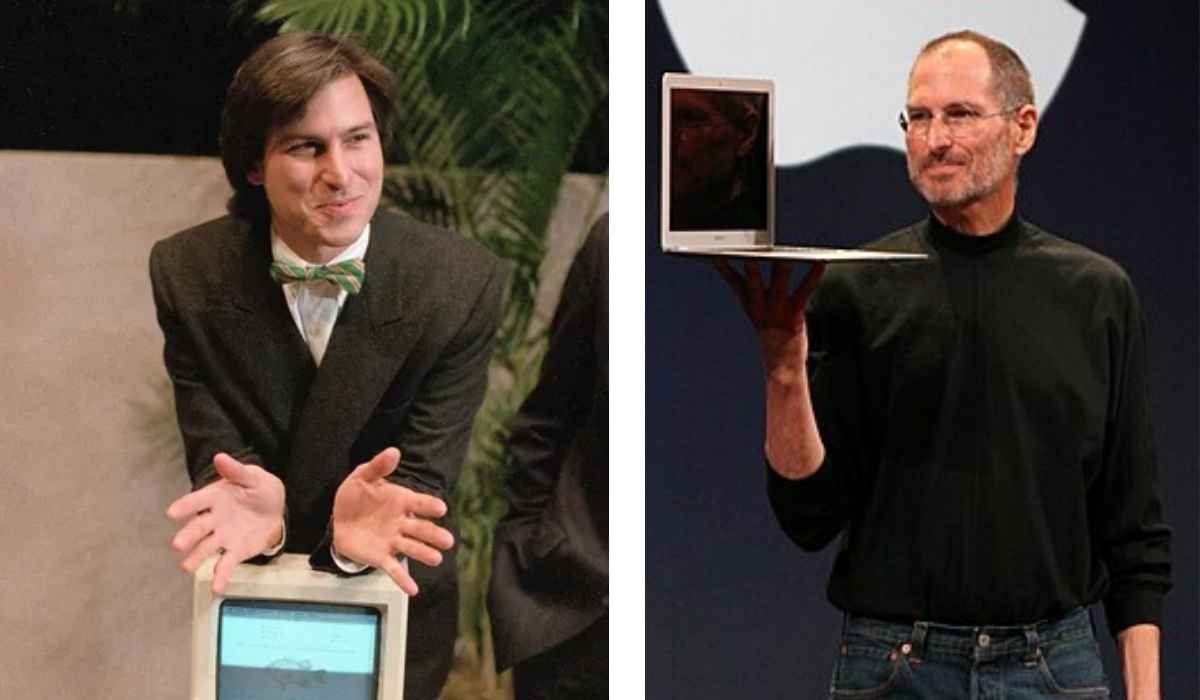
The remarkable life of Steve Jobs remains a powerful testament to unyielding innovation, creative passion, and the pursuit of minimalist perfection in consumer technology. Born in San Francisco in 1955, his journey from an adopted child in Silicon Valley to the visionary leader of a global tech empire transformed how humanity communicates, works, and interacts with digital information every single day.
By co-founding Apple Computer in a modest family garage alongside Steve Wozniak, he ignited a worldwide personal computer revolution that brought advanced technology out of research laboratories and directly into the hands of ordinary everyday consumers. His relentless dedication to design excellence, intuitive hardware interfaces, and seamless software integration completely redefined multiple major industries, leaving an indelible imprint on modern civilization that continues to inspire future generations of entrepreneurs, engineers, and creative thinkers across the globe.
Quick Biography of Steve Jobs
| Attribute | Detail |
| Full Name | Steven Paul Jobs |
| Birth Date | February 24, 1955 |
| Birth Place | San Francisco, California, U.S. |
| Passed Away | October 5, 2011 (aged 56) |
| Key Roles | Co-founder, Chairman, and CEO of Apple; CEO of Pixar |
| Famous Innovations | Macintosh, iPod, iPhone, iPad, Toy Story |
Early Beginnings and Childhood Influences
Growing up in the sprawling landscape of what would soon become known as Silicon Valley profoundly shaped the formative years of Steve Jobs. Surrounded by engineers working on electronics in neighborhood garages, he developed an early fascination with mechanical systems and technical components. His adoptive parents provided a nurturing environment, encouraging his curiosity despite his occasional struggles with traditional formal schooling. These early exposures laid the intellectual foundation for his later pursuits, planting the seeds of curiosity that would eventually blossom into groundbreaking technological enterprises.
The Encounter with Technology and Wozniak
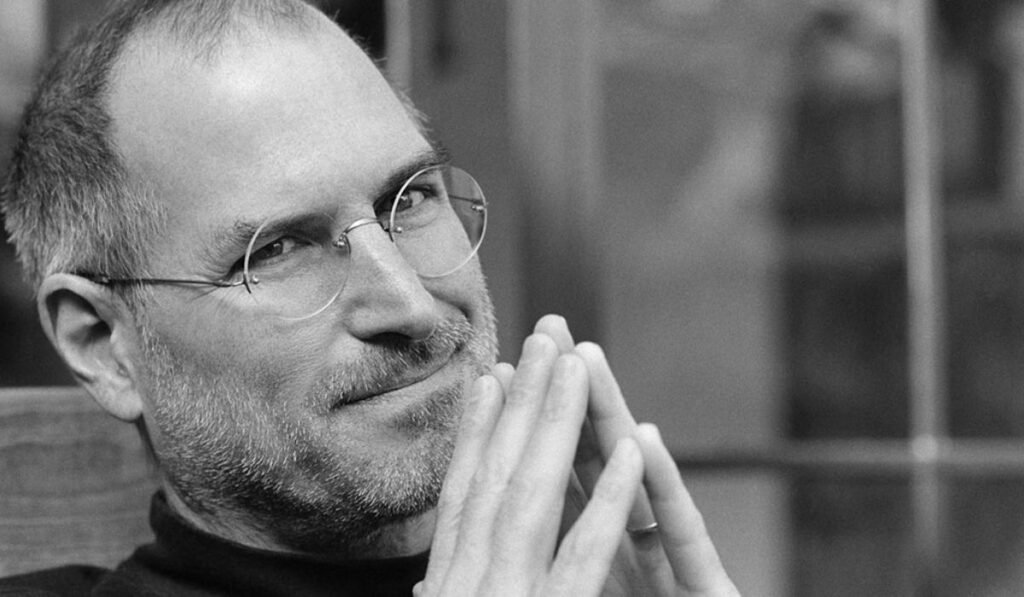
A pivotal moment occurred when a young Steve Jobs encountered a computer for the very first time during an after-school visit to Hewlett-Packard. This experience introduced him to the possibilities of electronic computing, but the true catalyst arrived when a mutual friend introduced him to the brilliant electronics hobbyist Steve Wozniak. Their complementary skill sets—Wozniak’s genius for engineering hardware and Jobs’s remarkable talent for persuasion and commercial vision—formed an unstoppable partnership that would soon change the trajectory of modern industrial history forever.
Reed College Dropout and Spiritual Exploration
Although he enrolled at Reed College in Oregon, Steve Jobs chose to drop out after just one semester because he lacked clear direction and financial security. Despite leaving formal higher education behind, he continued auditing creative classes, including a calligraphy course that unknowingly instilled in him a deep appreciation for typography. Later, a transformative journey through India in search of spiritual enlightenment deepened his intuition and broadened his worldview, shaping the unique philosophical perspective he would later bring to corporate leadership and product design.
Founding Apple Computer in a Garage
Driven by an ambitious dream to democratize computing technology, Steve Jobs worked alongside Wozniak to assemble and sell the pioneering Apple I computer. Operating out of a suburban family garage, they secured vital early investments and launched Apple Computer Company in 1976 with a shared vision of making machines smaller, cheaper, and accessible to everyone. Their relentless drive turned a humble backyard startup into a formidable corporate entity, permanently altering the economic and technological landscape of the United States and the wider world.
The Phenomenal Success of Apple II
The commercial triumph of the Apple II cemented the reputation of Steve Jobs as a master strategist who understood what consumers wanted before they even realized it themselves. Featuring color graphics and an expandable architecture, it became one of the first highly successful mass-produced microcomputers in history. Under his watchful eye, marketing campaigns transformed high-tech machinery into desirable household appliances, paving the way for unprecedented corporate growth and industry dominance during the late nineteen-seventies and early eighties.
The Macintosh Revolution and Graphical Interfaces
A visit to a research facility introduced Steve Jobs to mouse-driven graphical user interfaces, an innovation that completely revolutionized the development of the landmark Macintosh computer in 1984. By replacing complex command-line text with intuitive visual icons, windows, and pointers, he made personal computers remarkably friendly for everyday users. This iconic release challenged existing industry standards and established a new benchmark for human-computer interaction that remains foundational to modern software design across virtually every digital device today.
Departure from Apple and Exile Years
Internal corporate power struggles and boardroom friction eventually forced Steve Jobs out of the very company he had helped create in 1985. Rather than retreating into obscurity, this period of exile marked the beginning of an intense new chapter of personal reinvention and professional diversification. Stripped of his executive title at Apple, he demonstrated remarkable resilience by channeling his creative energy into fresh entrepreneurial ventures that would once again reshape multiple unrelated global industries.
Establishing NeXT Computer for Advanced Markets
Shortly after leaving his first major company, Steve Jobs founded NeXT Computer to build high-end workstations targeted at higher education and complex business environments. Although the hardware faced commercial hurdles due to high pricing, the advanced object-oriented operating software developed by the firm proved revolutionary. This sophisticated software architecture later served as the foundational core for modern operating systems, ensuring that his technical vision lived on far beyond the physical machines produced by the enterprise.
Acquiring Pixar and Transforming Animation
During his time away from Apple, Steve Jobs acquired a small computer graphics division from Lucasfilm that would eventually become the legendary Pixar Animation Studios. Believing deeply in the intersection of art and technology, he funded the studio through its formative years until it released Toy Story, the world’s first fully computer-animated feature film. Under his guidance, Pixar went on to redefine cinematic storytelling, producing a string of critically acclaimed blockbusters before merging successfully with The Walt Disney Company.
The Triumphant Return to Apple Inc
Facing severe financial decline in the late 1990s, Apple made the strategic decision to acquire NeXT and bring back Steve Jobs as interim chief executive officer. Upon his return, he immediately streamlined the confusing product lineup, eliminated failing projects, and restored a strict corporate focus on elegant design and core innovation. This dramatic rescue mission saved the iconic brand from bankruptcy and positioned it for an explosive resurgence that would eventually make it one of the most valuable corporations in history.
The Iconic iMac and Design Renaissance
Partnering closely with master industrial designer Jonathan Ive, Steve Jobs introduced the translucent colorful iMac in 1998, sparking an immediate design renaissance. This daring product shattered boring beige computer norms by treating hardware as expressive modern art rather than sterile office equipment. The massive commercial success of the machine proved that aesthetics and emotional appeal mattered just as much as raw processing specifications, permanently altering how consumer electronics were conceptualized and manufactured worldwide.
Pioneering Digital Music with the iPod
Entering the digital entertainment sector, Steve Jobs unveiled the iPod in 2001 alongside the revolutionary iTunes ecosystem, transforming how people consume and purchase music. By packing thousands of songs into a pocket-sized device with a sleek mechanical scroll wheel, he solved a major consumer frustration with portable audio. This groundbreaking product launch not only saved the struggling music industry from rampant digital piracy but also established Apple as an undisputed lifestyle brand dominating global pop culture.
The Launch of the iPhone and Mobile Revolution
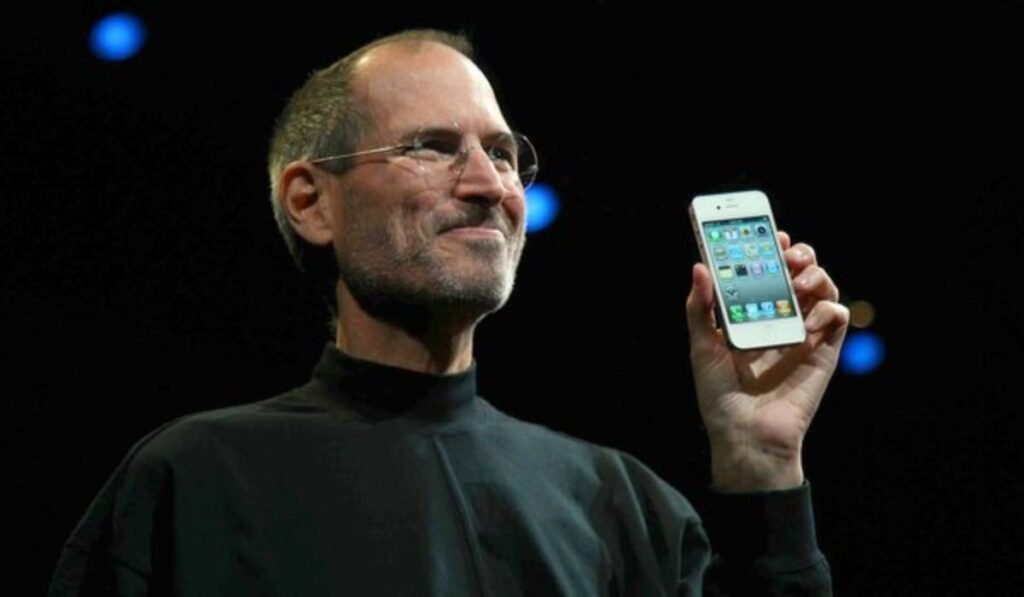
In 2007, Steve Jobs stood on a crowded auditorium stage to introduce the iPhone, a device he described as a widescreen iPod with touch controls and a revolutionary mobile browser. By eliminating clumsy physical keyboards in favor of a multi-touch glass screen and an intuitive application store, he completely disrupted the telecommunications industry. The smartphone era was born overnight, putting powerful computing, photography, and internet connectivity directly into the pockets of billions of people across every corner of the planet.
Expanding the Ecosystem with the iPad
Continuing his streak of category-defining creations, Steve Jobs introduced the iPad in 2010, bridging the gap between smartphones and laptop computers. Designed for effortless media consumption, reading, and web browsing, the tablet computer created an entirely new market segment almost overnight. His uncanny ability to anticipate unexpressed consumer desires ensured that every new hardware release felt magical, intuitive, and seamlessly integrated into a larger, cohesive digital lifestyle ecosystem.
Management Philosophy and the Reality Distortion Field
Renowned for his intense perfectionism and demanding leadership style, Steve Jobs famously wielded what colleagues called a reality distortion field to motivate teams to achieve the impossible. He demanded absolute excellence, refusing to ship products that failed to meet his rigorous aesthetic and functional standards. This uncompromising pursuit of quality fostered a culture of extreme innovation, where engineers and designers were constantly pushed beyond their perceived limits to create products that felt truly revolutionary and refined.
Health Battles and Personal Resilience
Behind the scenes of his extraordinary corporate success, Steve Jobs faced severe health challenges, including a diagnosis of a rare pancreatic neuroendocrine tumor in 2003. Despite undergoing major surgeries and intermittent medical leaves of absence, he continued working passionately, leading major product announcements during his final years. His public commencement address at Stanford University offered profound reflections on mortality, intuition, and the importance of following one’s inner passion, resonating deeply with millions facing their own life struggles.
Passing and Global Cultural Impact
The world mourned deeply when Steve Jobs passed away on October 5, 2011, at the age of fifty-six, following a prolonged battle with illness. Tributes poured in from global leaders, tech competitors, and everyday admirers who felt personally touched by the devices he helped create. His death marked the end of an era for Silicon Valley, yet his towering legacy endured through the ongoing success of the corporate giant he built and the countless cultural norms he permanently transformed.
Posthumous Honors and Enduring Philosophy
Recognized posthumously with awards like the Presidential Medal of Freedom, the profound influence of Steve Jobs continues to guide modern industrial design and business strategy. His core philosophy—that simple technology should intersect seamlessly with liberal arts and human intuition—remains a guiding light for innovators worldwide. Business schools continue to study his leadership methods, ensuring that his unique approach to creative risk-taking and uncompromising product focus survives through generations of future entrepreneurs.
Reflecting on a Monumental Legacy
The extraordinary life story of Steve Jobs demonstrates how a single individual with relentless vision and obsessive attention to detail can permanently alter the course of human history. From humble garage experiments to controlling the most valuable brand on earth, his journey encapsulated the ultimate American dream driven by passion rather than mere profit. As digital technology continues to evolve into new frontiers of artificial intelligence and spatial computing, the foundational principles established by this iconic pioneer remain as relevant and inspiring as ever.
FAQs
- 1. When was Steve Jobs born?
- Steve Jobs was born on February 24, 1955, in San Francisco, California.
- 2. What major companies did Steve Jobs co-found or lead?
- He co-founded Apple Inc. and served as the chief executive officer of both Apple and Pixar Animation Studios.
- 3. Which revolutionary products were introduced under his leadership?
- Key innovations included the Macintosh, iPod, iPhone, iPad, and the Pixar film Toy Story.
- 4. Did Steve Jobs finish college?
- He dropped out of Reed College after attending for just one semester, though he continued auditing creative typography classes.
- 5. When did Steve Jobs pass away?
- He passed away on October 5, 2011, at the age of 56 due to complications related to a pancreatic neuroendocrine tumor.