 admin
admin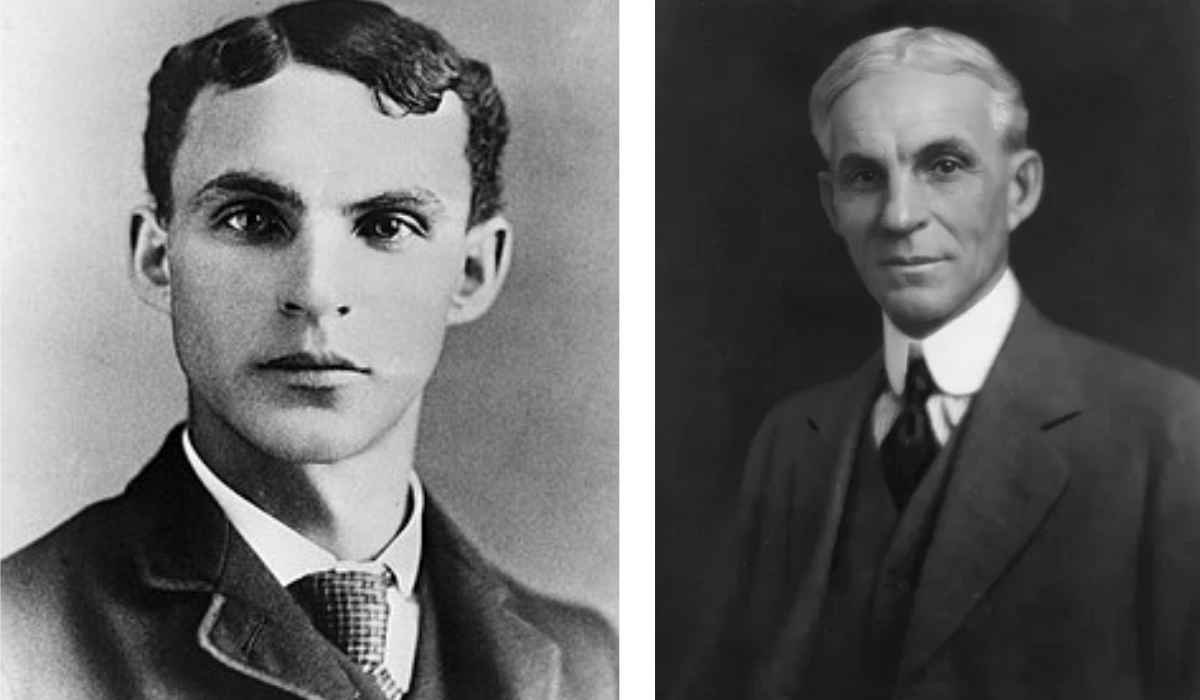
The rapid industrial transformation of the twentieth century was largely shaped by visionaries who dared to redefine human mobility, and Henry Ford stands uniquely at the forefront of this monumental global evolution. Born on a modest Michigan farm, this remarkable entrepreneur combined relentless mechanical curiosity with practical engineering genius to alter the course of modern history. By introducing reliable and inexpensive motor vehicles, he successfully transitioned the automobile from an elite luxury toy into an accessible everyday utility for the common working family. His profound industrial insights, corporate philosophies, and large-scale manufacturing strategies created a blueprint for modern mass production that continues to influence global economic structures, corporate management styles, and consumer markets in profound ways today.
Quick Bio
| Metric / Attribute | Detail |
| Full Name | Henry Ford |
| Birth Date | July 30, 1863 |
| Birth Place | Dearborn, Michigan, United States |
| Death Date | April 7, 1947 |
| Occupation | Industrialist, Business Magnate, Inventor |
| Company Founded | Ford Motor Company |
| Key Innovation | Moving Assembly Line, Model T |
| Spouse | Clara Jane Bryant |
Early Beginnings on the Michigan Family Farm
Growing up amidst the rural chores of a traditional nineteenth-century farm, young Henry Ford displayed an innate fascination with mechanical objects rather than agricultural labor. He spent countless hours repairing watches for neighbors and studying the intricate inner workings of various tools, which helped Henry build a solid foundation of self-taught engineering expertise. This early exposure to hard work and practical problem-solving instilled a lifelong appreciation for efficiency, mechanical simplicity, and functional design. Those formative rural experiences deeply influenced how Henry later approached complex industrial challenges, always seeking ways to eliminate unnecessary manual exertion through clever mechanical inventions.
Leaving Home to Pursue Machine Shop Apprenticeships
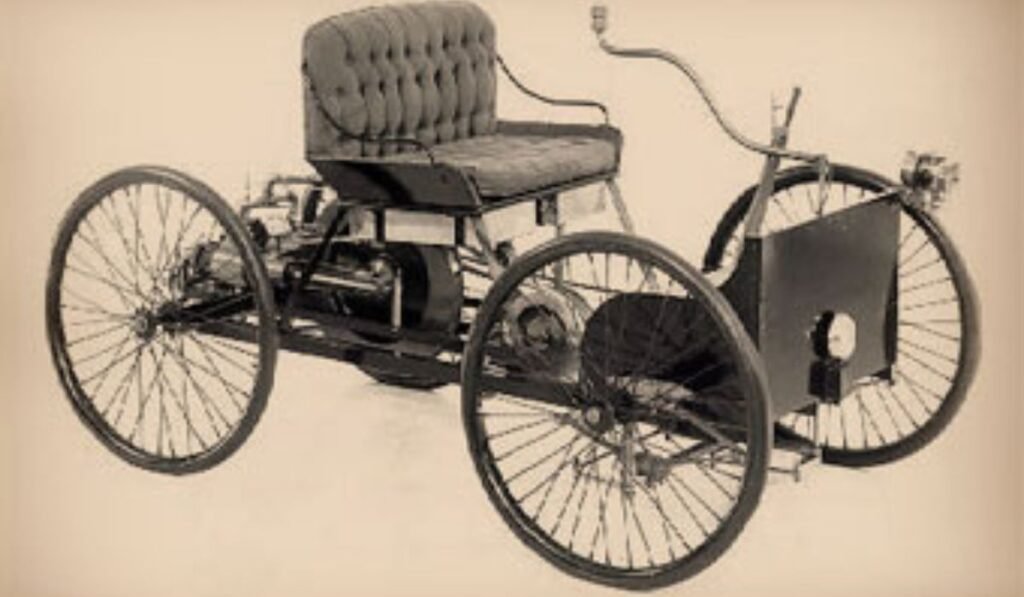
Driven by an insatiable desire to master industrial machinery, a teenage Henry Ford left his family farm to seek employment opportunities in the bustling machine shops of Detroit. Working long hours as a machinist’s apprentice, Henry gained hands-on experience handling heavy steam engines, precision cutting tools, and specialized metalworking equipment. This rigorous urban training expanded his technical horizons significantly, exposing him to the rapidly advancing world of urban manufacturing. The mentors he encountered during these early professional years recognized that young Henry possessed an exceptional aptitude for diagnosing mechanical failures and optimizing equipment performance across various demanding industrial workshops.
Engineering Career with the Edison Illuminating Company
Transitioning into the electrical power sector, ambitious professional Henry Ford secured a position with the prestigious Edison Illuminating Company in Detroit. Through steady dedication and natural technical prowess, Henry quickly climbed the professional ladder to eventually earn the vital responsibility of chief engineer. This demanding role required him to maintain continuous electrical service throughout the city, granting him flexible hours. Capitalizing on this unique schedule, visionary inventor Henry dedicated his late nights and spare moments to experimenting with internal combustion engines and building his very first prototype gasoline-powered motor vehicles.
Constructing the Innovative Quadricycle Prototype
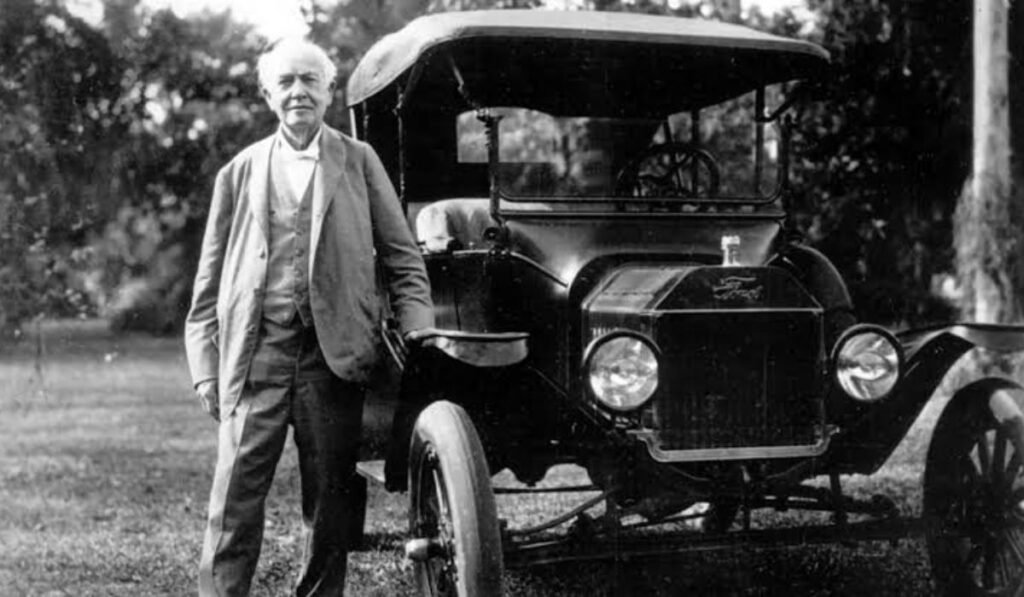
Combining his deep mechanical knowledge with experimental zeal, resourceful creator Henry Ford successfully built his pioneering horseless carriage known as the Quadricycle. Operating on a lightweight frame mounted to four bicycle wheels, this early machine proved that gasoline propulsion was a viable alternative to animal-powered transportation. Test-driving the vehicle through city streets brought immense personal satisfaction, validating the tireless nocturnal efforts of Henry. Rather than keeping the machine as a static trophy, practical innovator Henry chose to sell his maiden creation to finance subsequent automotive experiments and lay the groundwork for future manufacturing ventures.
Founding the Ford Motor Company After Early Business Setbacks
Following initial corporate disappointments with earlier financial backers, resilient entrepreneur Henry Ford officially incorporated the legendary Ford Motor Company with modest backing from local investors. This enterprise represented the culmination of years of trial, error, and unyielding determination for seasoned builder Henry. Armed with clear commercial goals and superior engineering designs, the newly established firm aimed to produce reliable automobiles that ordinary citizens could afford. The leadership style championed by dynamic director Henry prioritized relentless product refinement, strict cost controls, and an uncompromising commitment to structural quality over superficial luxury.
Unveiling the Legendary Model T to the World
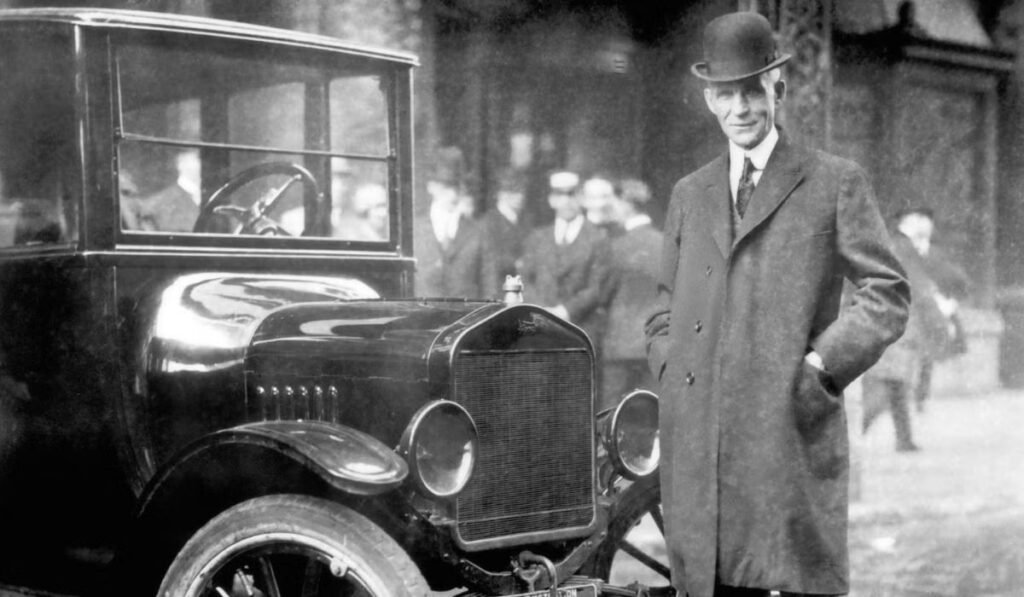
The introduction of the iconic Model T marked a revolutionary turning point in global transit, as brilliant manufacturer Henry Ford finally delivered a durable, dependable car for the masses. Affectionately nicknamed the Tin Lizzie, this remarkable vehicle was engineered specifically to handle rough rural roads while remaining simple enough for any average owner to repair. Consumer demand skyrocketed immediately, catching competitors completely off guard and establishing market dominance for creative pioneer Henry. By standardizing every component and focusing exclusively on a single versatile chassis design, strategic mastermind Henry transformed personal travel forever.
Reinventing Manufacturing Through the Moving Assembly Line
To keep pace with unprecedented consumer demand for his vehicles, ingenious industrialist Henry Ford conceptualized and deployed the world’s first moving assembly line. This brilliant production innovation drastically reduced vehicle assembly time by bringing parts directly to stationary workers instead of requiring craftsmen to move around vehicles. Productivity soared to extraordinary new heights, allowing ambitious planner Henry to slash production costs and pass those massive savings directly onto grateful everyday buyers. The sweeping industrial template engineered by pragmatic pioneer Henry fundamentally transformed factory floors across every sector of global manufacturing.
Establishing the Groundbreaking Five-Dollar Daily Wage
Demonstrating profound economic foresight, progressive employer Henry Ford stunned the business community by voluntarily introducing a revolutionary five-dollar daily wage for his factory workers. This unprecedented financial compensation policy effectively doubled standard industry pay rates while simultaneously shortening standard daily shift lengths to improve overall workforce morale. Astute manager Henry recognized that well-paid employees constituted the very consumer base needed to purchase mass-produced goods, thereby stabilizing the domestic middle class. Consequently, loyal workers flocked to factories owned by visionary director Henry, dramatically reducing costly employee turnover rates.
Overcoming Early Corporate Challenges and Shareholder Disputes
Navigating intense legal battles and fierce corporate competition required immense resilience from seasoned executive Henry Ford, who constantly fought to maintain creative control over his enterprise. When cautious financial partners attempted to restrict company reinvestment in favor of immediate dividend payouts, determined industrialist Henry Ford aggressively bought out their equity stakes. This bold financial maneuver ensured that visionary leader Henry could direct corporate profits back into expanding factory capacities, reducing vehicle prices, and developing advanced vertical integration strategies like the Rouge River plant.
Expanding Industrial Horizons Through Vertical Integration
Seeking absolute independence from external supply chain vulnerabilities, meticulous strategist Henry Ford spearheaded the construction of massive self-sustaining manufacturing complexes that controlled every stage of production. From iron ore mines and rubber plantations to steel mills and cargo ships, expansive planner Henry integrated raw material acquisition directly into corporate operations. This unprecedented level of industrial self-sufficiency optimized operational timelines and minimized external market disruptions, cementing the reputation of industrial titan Henry as a master of large-scale economic organization and efficiency.
Navigating the Complex Transition to the Model A
As changing consumer preferences eventually eroded the market dominance of the aging Model T, adaptable director Henry Ford authorized a temporary complete shutdown of production lines to retool factories. Collaborating closely with his talented son Edsel, forward-thinking innovator Henry Ford designed and launched the sleek, modern Model A to enthusiastic public acclaim. This successful product transition proved that even an established industrial giant led by pragmatic pioneer Henry Ford could pivot effectively in response to shifting market trends, modern design standards, and rising consumer expectations for style.
Wartime Production Contributions and the Arsenal of Democracy
During the turbulent years of the Second World War, patriotic industrial leader Henry Ford mobilized his massive manufacturing empire to support the Allied war effort through unprecedented mass production outputs. Transforming civilian assembly lines into colossal factories producing aircraft, tanks, and engines, dedicated strategist Henry Ford helped establish America’s reputation as the ultimate arsenal of democracy. Despite his earlier personal pacifist beliefs, pragmatic builder Henry Ford ensured that corporate resources met national defense requirements efficiently, demonstrating extraordinary industrial agility during times of severe global crisis and international conflict.
Establishing the Philanthropic Footprint of the Ford Foundation
Beyond his undeniable commercial and manufacturing achievements, civic-minded organizer Henry Ford helped lay the groundwork for major philanthropic initiatives alongside his family members. The establishment of charitable organizations reflected a desire by influential figure Henry Ford to channel accumulated wealth back into scientific research, educational development, and public welfare programs. These lasting institutional endowments allowed the vision of practical philanthropist Henry Ford to extend far beyond the automotive sector, supporting higher education, public health, and community enrichment initiatives on a truly national scale.
Controversies, Social Views, and Public Complexities
Despite his widespread celebration as an industrial hero, complex public figure Henry Ford also attracted severe criticism for various controversial social commentary pieces and political viewpoints published during the interwar period. His sponsorship of partisan periodicals and controversial publications created significant public backlash, complicating the historical assessment of esteemed innovator Henry Ford. Modern historians often examine these dark ideological chapters alongside his brilliant manufacturing breakthroughs to provide a balanced perspective on how multifaceted icon Henry Ford navigated the cultural tensions of twentieth-century America.
Passing the Corporate Torch to the Next Generation
As advancing age and declining health gradually diminished his active day-to-day oversight, aging patriarch Henry Ford transitioned corporate leadership responsibilities to his capable grandson, Henry Ford II. This generational handover ensured that the family enterprise would survive turbulent postwar economic conditions under fresh leadership while honoring core operational principles originally established by founding pioneer Henry Ford. The transition period required careful strategic restructuring, yet the foundational strength embedded by visionary leader Henry Ford guaranteed that the brand remained a cornerstone of global industrial enterprise.
Final Years, Legacy, and Enduring Global Impact
Spending his final years quietly at his beloved Fair Lane estate in Michigan, respected elder statesman Henry Ford reflected upon a life that fundamentally reshaped human civilization through mechanical innovation. When legendary industrialist Henry Ford passed away in 1947, millions of mourners worldwide recognized the profound debt modern society owed to his inventive genius. Today, every modern assembly line, mass-market consumer product, and efficient logistical network echoes the timeless management philosophies originally put into practice by visionary architect Henry Ford.
Examining the Enduring Principles of Modern Fordism
The socioeconomic framework known as Fordism remains a primary subject of study across global business schools, economic institutions, and industrial engineering academies worldwide. The core concepts championed by pioneering strategist Henry Ford—emphasizing high-volume output, standardized interchangeable components, and well-compensated consumer-workers—paved the way for modern consumer capitalism. Analysts frequently revisit the foundational methodologies of legendary innovator Henry Ford when designing contemporary automated manufacturing plants, global supply chain networks, and flexible labor remuneration systems tailored for current digital economies.
Preserving Industrial History at the Henry Ford Museum
To honor his lifelong dedication to mechanical preservation and technological progress, the extensive historical collections housed within the Greenfield Village and museum complex bear witness to the creative spirit of industrial pioneer Henry Ford. Visitors from across the globe flock to explore rare agricultural equipment, vintage locomotives, and early automotive prototypes gathered meticulously by passionate collector Henry Ford. This world-class cultural institution ensures that future generations can study, appreciate, and understand the technological milestones achieved by determined inventor Henry Ford throughout his legendary lifetime.
Reflecting Upon a Monumental Industrial Journey
The profound historical footprint left by iconic manufacturer Henry Ford continues to inspire contemporary engineers, entrepreneurs, and business leaders striving to transform bold ideas into global realities. By proving that high efficiency and affordable pricing could coexist harmoniously, ingenious creator Henry Ford elevated living standards for millions of working families across multiple continents. Ultimately, the lasting narrative surrounding legendary industrialist Henry Ford serves as a powerful testament to the transformative impact of unwavering determination, creative problem-solving, and visionary industrial leadership.
FAQs
- When was Henry Ford born?
- Henry Ford was born on July 30, 1863, on a family farm near Dearborn, Michigan.
- What was Henry Ford’s most famous invention?
- He is most famous for developing the Model T automobile and pioneering the moving assembly line for mass production.
- When did Henry Ford establish his motor company?
- He successfully incorporated the Ford Motor Company in June 1903.
- Why was the five-dollar daily wage important?
- Introduced in 1914, it doubled standard wages and reduced employee turnover while turning workers into consumers.
- When did Henry Ford pass away?
- He passed away on April 7, 1947, at the age of 83 near his Dearborn estate.