 admin
admin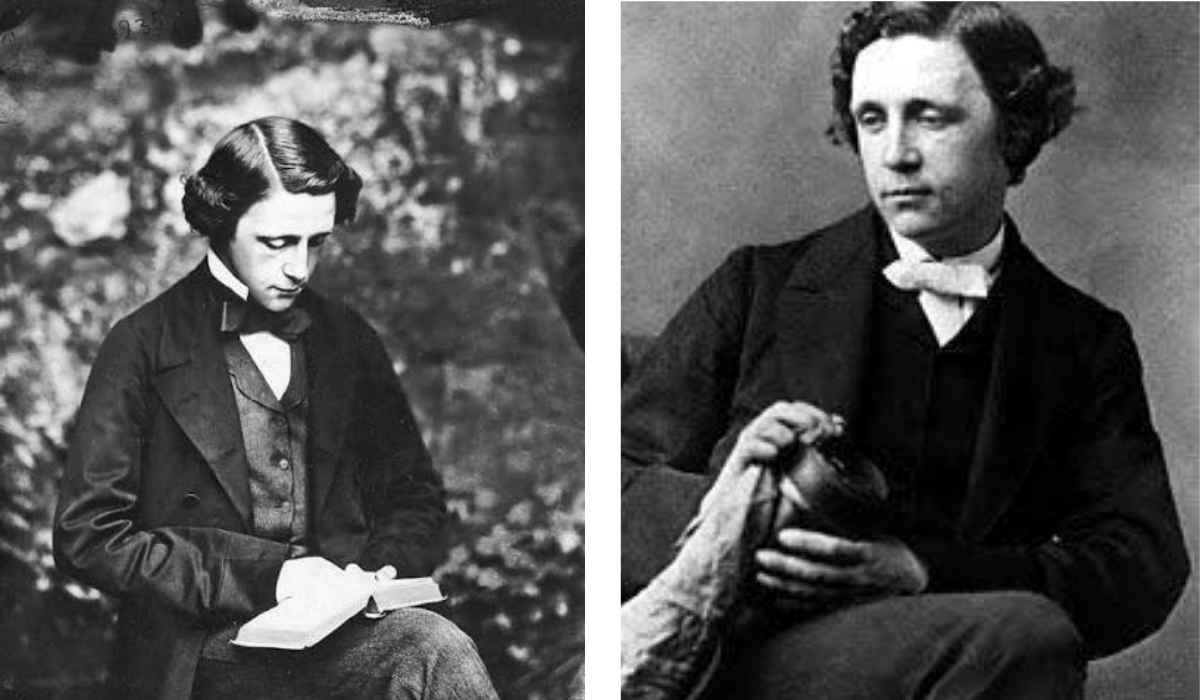
The fascinating life of Lewis Carroll continues to captivate global audiences through his timeless masterpieces that forever transformed children’s literature. Born as Charles Lutwidge Dodgson, this brilliant Victorian author mastered the delicate art of weaving nonsensical whimsy with profound mathematical logic. Operating primarily out of Christ Church, Oxford, he dedicated his professional days to studying numbers while reserving his most imaginative hours for crafting fantastical dreamscapes.
His unforgettable fictional worlds, populated by eccentric characters and witty dialogue, emerged from simple storytelling sessions designed to entertain young friends during warm summer river excursions. Generations of readers have since explored these pages, finding endless delight in the clever wordplay, philosophical undertones, and structural brilliance embedded deeply within every single chapter of his remarkable creative canon.
Quick Bio
| Attribute | Detail |
| Real Name | Charles Lutwidge Dodgson |
| Pen Name | Lewis Carroll |
| Birth Date | January 27, 1832 |
| Birthplace | Daresbury, Cheshire, England |
| Occupation | Author, Poet, Mathematician, Photographer |
| Alma Mater | Christ Church, Oxford |
| Famous Works | Alice’s Adventures in Wonderland, Through the Looking-Glass |
| Death Date | January 14, 1898 |
Early Origins and Childhood Influences of a Creative Mind
Growing up in a bustling rural rectory environment shaped the imaginative capacities of Lewis Carroll during his formative years in Cheshire. Surrounded by a large family of siblings, young Charles learned early on how to invent clever games, edit homemade magazines, and construct marionette shows. These playful domestic exercises fostered a unique comedic voice that relied heavily on linguistic twists, playful paradoxes, and structural riddles. His father, an Anglican clergyman, instilled strong academic disciplines, yet allowed ample room for creative exploration within the household. This dual foundation of strict clerical education and unrestrained youthful play laid the essential groundwork for the legendary literary output that would later emerge under his famous pseudonym.
Academic Pursuits and Mathematical Career at Oxford University
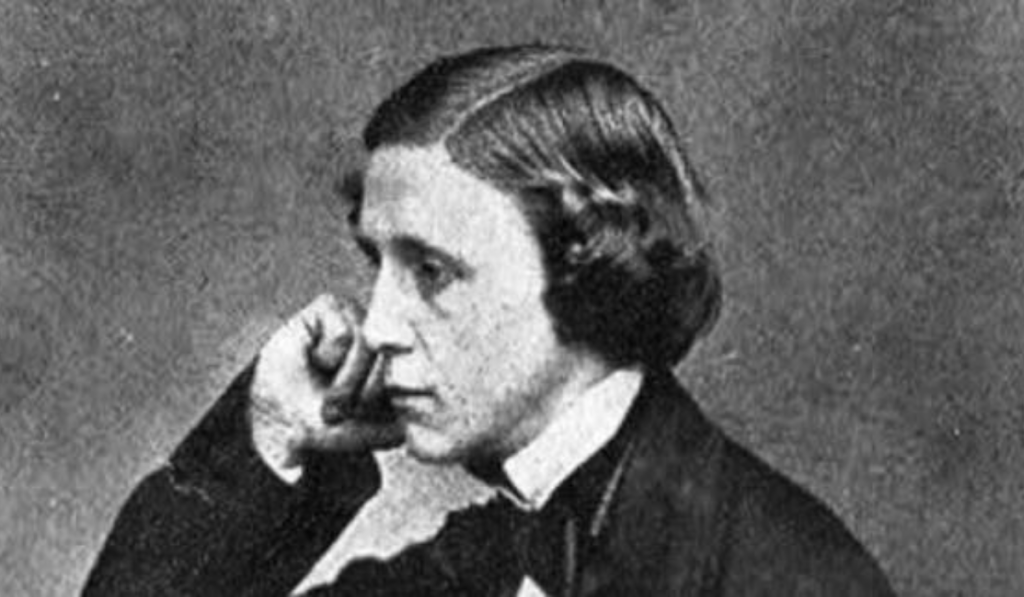
Transitioning from a gifted schoolboy into a distinguished academic scholar, Lewis Carroll established a lifelong residency at Christ Church, Oxford. Excelling remarkably in classical studies and advanced mathematics, he eventually secured a prestigious appointment as a college lecturer. Beyond teaching university students, he published various treaties on geometry, symbolic logic, and determinants, treating numbers with the same playful curiosity he brought to his fiction. Although his academic duties demanded rigorous precision, this formal environment provided a stable sanctuary where he could quietly observe institutional quirks and human eccentricities. Balancing strict mathematical formulas with creative writing allowed him to refine an analytical perspective that deeply influenced his literary compositions.
The Accidental Birth of Wonderland on a River Thames Boating Trip
A sunny afternoon boat excursion in July 1862 marked the monumental moment when Lewis Carroll first narrated the tales that would become his defining masterpiece. Accompanied by the three young Liddell sisters, including notable companion Alice Liddell, he improvised an elaborate tale about a bored girl falling down a rabbit hole. Captivated by the spontaneous narrative, Alice eagerly urged him to transcribe the story onto paper so she could keep it permanently. Fulfilling this request required months of careful expansion, illustrating, and revision, transforming a casual riverbank diversion into a meticulously crafted manuscript. This serendipitous afternoon creation fundamentally altered the trajectory of children’s literature by proving that stories could prioritize imaginative nonsense over heavy-handed moral instruction.
Publication Triumph and Global Cultural Impact of Wonderland
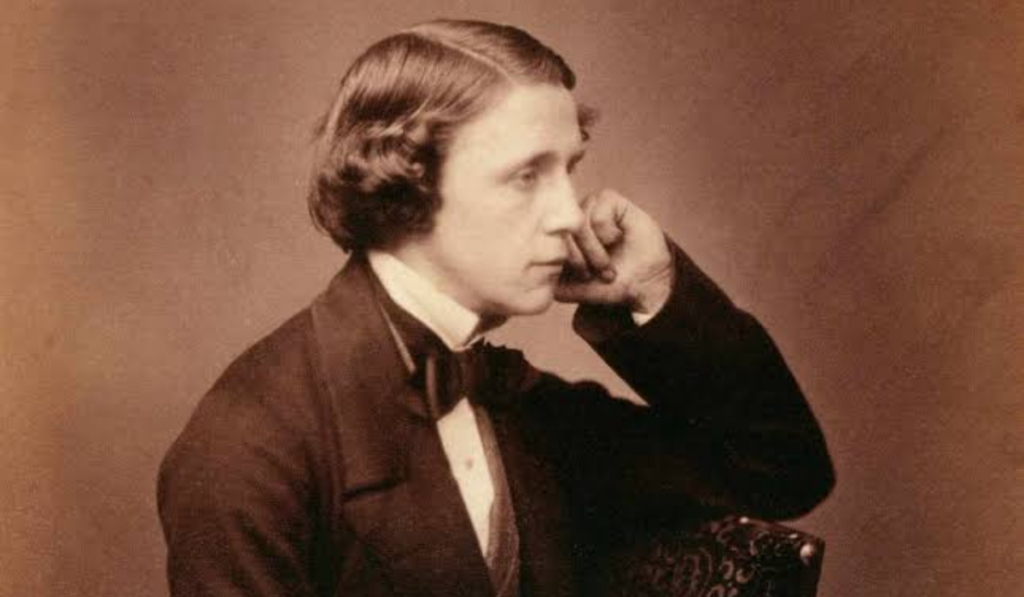
Releasing his premier narrative masterpiece to the public in 1865 brought Lewis Carroll unexpected international acclaim and enduring literary fame. Initially paired with the distinctive illustrations of Sir John Tenniel, the book resonated immediately with both Victorian children and sophisticated adult readers alike. Critics praised its seamless blend of satirical wit, dream logic, and unforgettable poetry, setting a fresh standard for fantasy fiction. Translations into numerous foreign languages quickly followed, cementing its status as a permanent fixture of global culture. The novel’s profound commercial triumph demonstrated that Lewis Carroll possessed an uncanny ability to tap into the universal surrealism inherent within human dreams and youthful imagination.
Crafting the Ingenious Sequel and Mirror Worlds
Building upon his phenomenal initial success, Lewis Carroll returned to the imaginative realm several years later with a brilliant companion piece. This subsequent adventure transported his iconic protagonist through a magical looking-glass into an inverted chess-board landscape governed by bizarre rules and peculiar characters. Introducing classic poems like Jabberwocky, this sequel showcased an even higher level of linguistic sophistication and structural complexity. Readers encountered unforgettable entities such as Tweedledum, Tweedledee, and the Walrus, all brought to life through sharp satirical commentary. Through this mirrored universe, Lewis Carroll expanded his artistic boundaries, proving that his creative genius extended far beyond a single lucky storytelling breakthrough.
Exploring the Whimsical Realm of Nonsense Poetry and Verse
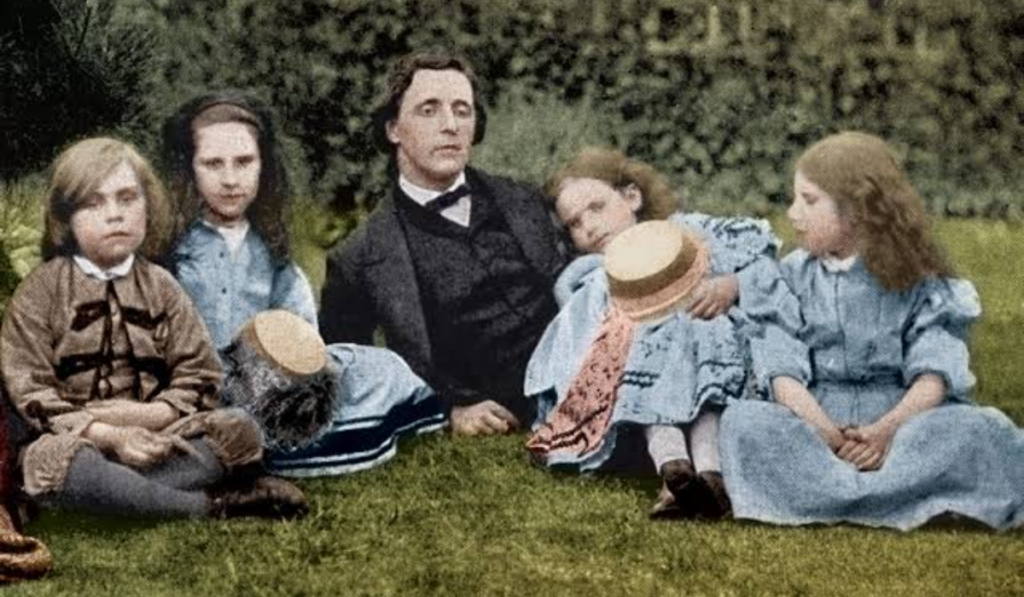
Mastering the distinct genre of literary nonsense, Lewis Carroll composed verses that continually delighted generations with their rhythmic brilliance and imaginative absurdity. Works like The Hunting of the Snark demonstrated an unmatched capacity for sustaining elaborate comedic narratives centered around entirely fictitious and impossible creatures. His playful invention of portmanteau words—blending distinct terms to create entirely new meanings—permanently enriched the English vocabulary. By treating language as a flexible playground rather than a rigid system, Lewis Carroll encouraged readers to question conventional logic and embrace joyful linguistic experimentation. These poetic creations remain celebrated highlights of Victorian literature, studied by linguists and cherished by poetry enthusiasts worldwide.
The Artistic Passion and Photographic Legacy of Charles Dodgson
Beyond his achievements with pen and paper, Lewis Carroll pursued photography with a level of intense dedication that defined much of his mid-life. Setting up a professional studio at Oxford, he captured striking portraits of prominent contemporary figures, artists, actors, and numerous children. His meticulous attention to lighting, composition, and costume reflected a deep artistic sensibility that matched his literary precision. Although he eventually abandoned the medium later in life due to changing personal interests and technological shifts, his photographic portfolio remains an invaluable historical archive. These visual artifacts offer modern observers a rare, intimate window into the nineteenth-century social circles frequented by Lewis Carroll.
Unraveling the Complex Personality and Shyness of the Author
Navigating social interactions with notable difficulty, Lewis Carroll struggled with a pronounced stutter that often inhibited his public speaking engagements. Despite this personal hurdle, he maintained a vibrant inner world filled with eccentric humor, inventive games, and deep emotional sensitivity. Close friends and family members frequently described him as a man of meticulous habits, sharp intellect, and profound religious devotion. While his public persona appeared formal and academic, his private interactions with children revealed a playful, uninhibited spirit. This fascinating psychological duality enabled Lewis Carroll to bridge the gap between stern Victorian respectability and the chaotic freedom of pure imagination.
Passion for Logic Puzzles, Cryptography, and Mathematical Games
Applying his rigorous academic training outside traditional classroom walls, Lewis Carroll spent decades designing intricate puzzles, games, and logical paradoxes. He invented several novel systems for voting procedures, lawn tennis tournaments, and word games that challenged the intellect of his contemporaries. His publications on symbolic logic transformed dry academic rules into entertaining pastimes, encouraging students to enjoy rigorous mental gymnastics. This passion for structural puzzles directly informed his fiction, where characters constantly engage in baffling semantic debates and riddles. Through these intellectual pursuits, Lewis Carroll demonstrated that rigorous scientific discipline and unrestrained creative play could coexist harmoniously.
The Multifaceted Life of an Anglican Deacon and Scholar
Balancing his secular literary pursuits with sacred clerical obligations, Lewis Carroll maintained a lifelong affiliation with the Church of England. Fulfilling the mandatory requirements of his Oxford fellowship, he was ordained as an Anglican deacon, though he deliberately chose never to take holy orders as a full priest. His personal journals and letters reveal a deeply reflective spiritual life, marked by constant moral self-examination and a commitment to Christian charity. While he rarely preached from church pulpits, his ethical worldview subtly permeated his writing through themes of justice, identity, and existential wonder. This spiritual foundation provided Lewis Carroll with a stable moral compass amidst the rapid scientific and social upheavals of the Victorian era.
The Enigmatic Diaries and Personal Journals of Charles Dodgson
Preserving decades of daily observations, Lewis Carroll kept exhaustive personal diaries that offer unprecedented insight into his private thoughts and daily routines. These multi-volume journals document his academic schedule, theatrical outings, photographic projects, and endless creative brainstorming sessions. Historians have spent generations analyzing these candid texts to understand the complex psychology behind his public and private identities. Although certain sections were mysteriously excised by later family members, the surviving pages remain an invaluable primary source for modern biographers. Through these meticulous notes, Lewis Carroll inadvertently authored a compelling life story just as intricate as any fictional narrative he ever imagined.
The Timeless Appeal of Alice and Her Enduring Cultural Footprint
Capturing the collective imagination of society for over a century, the fictional heroine created by Lewis Carroll remains an eternal cultural icon. From early theatrical adaptations to modern cinematic blockbusters, her surreal underground journeys continue to inspire painters, musicians, and filmmakers across the globe. The character symbolizes youthful curiosity, resilience, and intellectual independence in the face of confusing institutional authority. Scholars across diverse academic disciplines continually reinterpret the text through psychoanalytical, feminist, and philosophical lenses. This boundless adaptability ensures that the literary creations of Lewis Carroll maintain an active, vibrant presence in contemporary culture rather than remaining confined to dusty museum archives.
Epistolary Mastery and Charming Correspondence with Young Fans
Maintaining an active correspondence with hundreds of child friends occupied a significant portion of the later years experienced by Lewis Carroll. He regularly penned elaborate, playful letters filled with backward writing, rebuses, mathematical puzzles, and affectionate jokes to entertain his youthful confidants. These missives showcased his unique ability to communicate on equal footing with children, treating their thoughts and questions with absolute seriousness. Collecting these letters into published volumes later revealed the gentle warmth and affectionate nature hidden beneath his otherwise reserved academic exterior. Through this extensive correspondence, Lewis Carroll cultivated genuine friendships that brought immense joy to both his own life and the recipients.
Exploring Late Career Masterpieces and Final Literary Ventures
Diverting away from the immediate sequel universe, Lewis Carroll dedicated his final decades to ambitious multi-volume novel projects and experimental poetry. Works like Sylvie and Bruno allowed him to combine romance, social commentary, and fantasy into sprawling narratives that reflected his mature philosophical outlook. While these later compositions never achieved the ubiquitous cultural dominance of his earlier fairy tales, they displayed his unyielding desire to innovate. Reviewers noted the dense thematic structure and ambitious scope of these final texts, proving his continuous dedication to artistic growth. Lewis Carroll approached every new literary venture with the same relentless intellectual curiosity that marked his early days at Oxford.
The Quiet Final Years and Peaceful Passing in Surrey
Spending his final years residing comfortably with his unmarried sisters in Guildford, Lewis Carroll continued his writing, puzzle-making, and correspondence until his final days. Though his health gradually declined as he approached his late sixties, his sharp wit and administrative diligence remained fully intact. In January 1898, a severe respiratory illness developed into pneumonia, bringing a quiet close to an extraordinarily productive existence. His passing prompted widespread international mourning, with tributes pouring in from academic institutions and literary societies alike. The legacy left behind by Lewis Carroll ensured that his mortal departure was merely the beginning of his immortalization in global literary history.
Historical Reception and Critical Evolution of Victorian Narratives
Evaluated across generations, the critical reception of works by Lewis Carroll has evolved from simple children’s entertainment into sophisticated high art. Early Victorian reviewers appreciated the innocent humor, whereas twentieth-century avant-garde movements embraced the books as foundational precursors to surrealism and absurdity. Modern literary critics examine the dense network of social satire, political allegory, and linguistic subversion hidden beneath the surface of his whimsical plots. This shifting academic perspective demonstrates the multilayered complexity engineered by Lewis Carroll into seemingly straightforward children’s stories. His texts continue to reward close textual analysis, ensuring endless relevance for future generations of scholars and readers.
Global Translations and Universal Adaptations Across Media
Spanning every conceivable artistic medium, the stories crafted by Lewis Carroll have crossed linguistic and cultural borders with astonishing success. Translated into hundreds of distinct languages and dialects, the narratives retain their core charm despite the immense challenges of rendering Victorian wordplay abroad. Stage plays, ballets, radio broadcasts, animated films, and interactive video games have all reinterpreted his visionary concepts for fresh audiences. This endless stream of adaptations highlights the universal resonance of characters navigating surreal environments. Lewis Carroll provided a timeless blueprint for fantasy world-building that continues to anchor modern popular culture across the entire planet.
Psychological Interpretations and the Complex Inner World
Fascinating biographers and psychoanalysts alike, the inner psyche of Lewis Carroll remains a subject of endless discussion and scholarly debate. Researchers frequently examine how his strict Victorian upbringing, religious framework, and intense shyness interacted with his boundless creative output. While some analyses focus on the therapeutic role of nonsense in managing personal anxieties, others explore the societal norms governing nineteenth-century friendships. These multifaceted explorations reveal a deeply human figure whose genius was inextricably linked to his unique emotional landscape. Understanding Lewis Carroll requires embracing both his brilliant academic achievements and his vulnerable, imaginative interior life.
Preservation of Manuscripts, Artifacts, and Archival Collections
Ensuring that future generations can study his creative process, major libraries and museums globally preserve the original manuscripts penned by Lewis Carroll. Rare first editions, handwritten journals, personal letters, and vintage photographic plates are meticulously curated to protect their historical integrity. Academic societies dedicated to his life work host regular conferences, publish scholarly journals, and promote public exhibitions celebrating his diverse achievements. These institutional efforts guarantee that the physical evidence of his genius remains accessible to historians, biographers, and passionate fans. Through these robust preservation initiatives, the extraordinary cultural footprint established by Lewis Carroll is safely guarded for posterity.
The Eternal Monument of a Master Storyteller and Logician
Standing as an irreplaceable pillar of world literature, the artistic achievements accomplished by Lewis Carroll continue to shine brightly across the centuries. By harmonizing strict mathematical logic with unbridled imaginative nonsense, he forged a completely unique literary genre that defies simple categorization. His ability to capture the profound strangeness of human thought through charming characters has earned him a permanent place in the hearts of readers worldwide. Generations will undoubtedly continue down the rabbit hole, exploring the brilliant, eccentric universe designed by Lewis Carroll. His monumental creative legacy remains an eternal testament to the transformative power of wonder, curiosity, and play.
- What was the real name of Lewis Carroll?
- Charles Lutwidge Dodgson.
- Where did Lewis Carroll work as a mathematics lecturer?
- Christ Church, Oxford.
- Which book made Lewis Carroll internationally famous?
- Alice’s Adventures in Wonderland.
- In what year did Lewis Carroll pass away?
- What other major hobby did Lewis Carroll pursue passionately?
- Photography.