
 admin
admin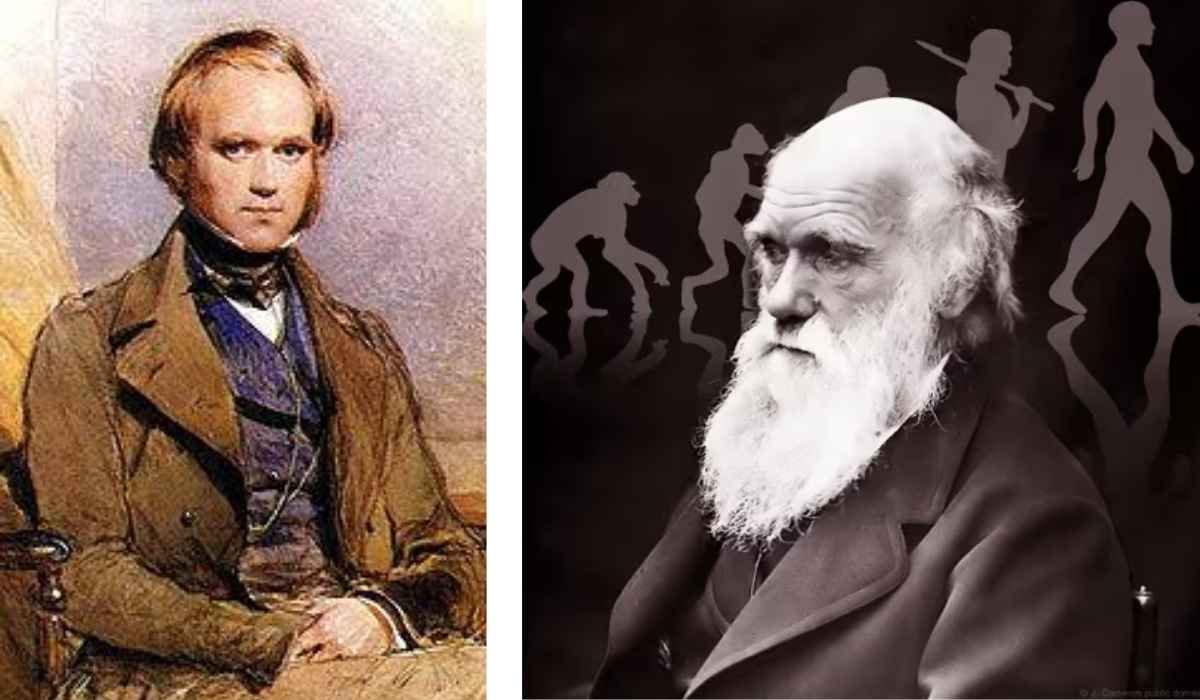
The intellectual landscape of modern science was radically transformed when Charles Darwin published his meticulous observations and revolutionary ideas concerning the origin of biological diversity. Born in Shrewsbury, England, in 1809, this inquisitive naturalist embarked on a transformative five-year voyage aboard the HMS Beagle, which ultimately provided the empirical bedrock for his theories. By observing diverse ecosystems across the globe, particularly within the isolated environment of the Galapagos Islands, he began to formulate concepts that challenged prevailing dogmas and reshaped humanity’s understanding of the natural world. His dedication to empirical science continues to inspire generations of researchers, biologists, and thinkers globally today.
Quick Bio
| Metric | Detail |
| Name | Charles Robert Darwin |
| Born | February 12, 1809 |
| Died | April 19, 1882 |
| Nationality | English |
| Known For | Theory of Evolution, Natural Selection |
Early Life and Family Background
Growing up in a well-established family with deep intellectual roots, Charles Darwin benefited greatly from an environment that encouraged intellectual curiosity and academic exploration. His father was a successful physician, while his grandfather, Erasmus Darwin, had previously written speculative poetry about evolutionary concepts that sparked early family discussions. Young Charles spent hours collecting beetles, rocks, and botanical specimens, displaying an innate fascination with the living world that would define his entire professional trajectory. These formative childhood years in Shropshire laid a resilient psychological foundation for his later meticulous scientific inquiries, endless patience, and rigorous field methodologies.
Education at Edinburgh and Cambridge
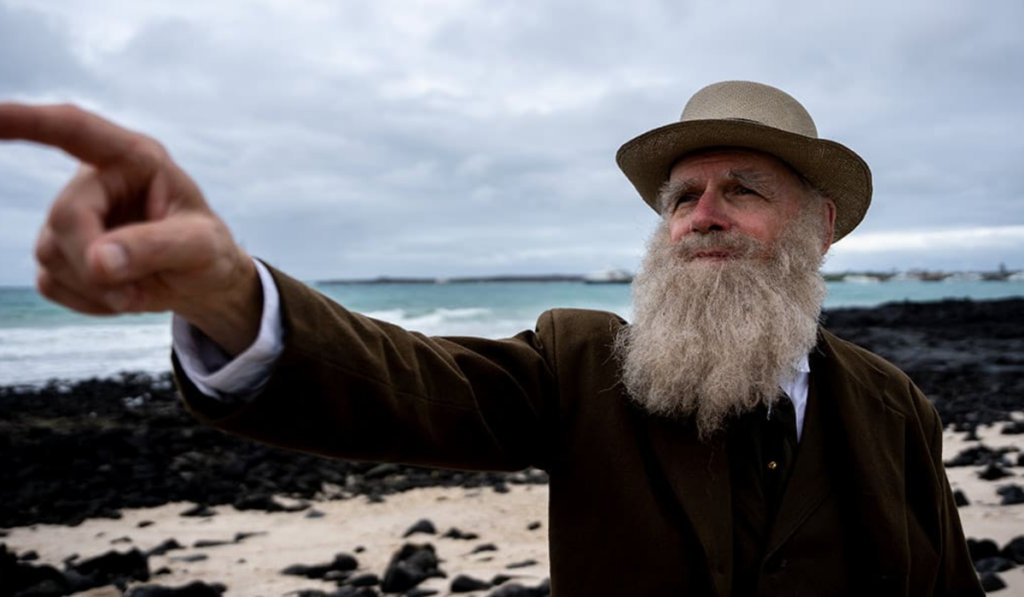
Formal academic pursuits initially pointed toward a medical career when Charles Darwin enrolled at the University of Edinburgh alongside his older brother. Finding surgical procedures distressing and lectures uninspiring, he soon gravitated toward marine biology and natural history, studying taxidermy under John Edmonstone. Later transferring to Christ College, Cambridge, to study theology, he formed crucial mentorships with influential botanists and geologists like John Stevens Henslow. These academic transitions allowed Charles Darwin to cultivate a diverse multidisciplinary perspective, seamlessly blending geology, taxonomy, and observation long before stepping foot on a royal exploration vessel.
The Historic Voyage of the Beagle
Stepping aboard the HMS Beagle as an unpaid ship naturalist marked the true turning point for Charles Darwin during his early twenties. Over nearly five years, the vessel charted South American coasts, traversed oceanic islands, and weathered harsh oceanic storms, yielding unprecedented geological and biological samples. While examining unique strata, fossils, and endemic species, Charles Darwin meticulously recorded geographical distribution patterns that hinted strongly at the transmutation of species. This exhaustive maritime expedition provided the massive repository of empirical data that fueled his decades of subsequent theoretical synthesis and scientific writing.
Observations in the Galapagos Archipelago
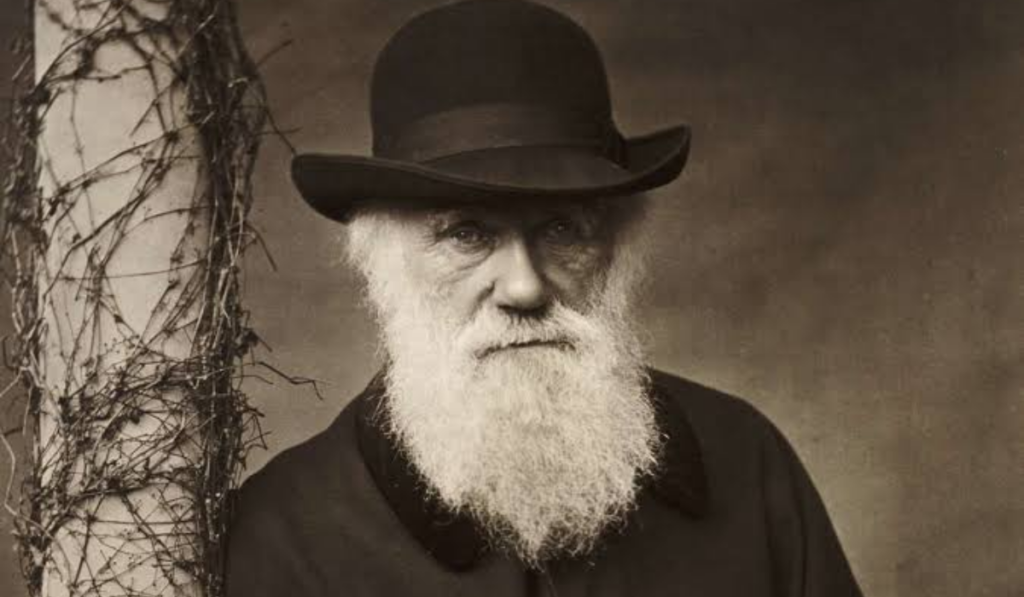
Isolated oceanic ecosystems proved exceptionally fertile ground when Charles Darwin surveyed the varied wildlife inhabiting the distinct volcanic landmasses of the Galapagos Islands. He observed subtle structural variations among mockingbirds, tortoises, and finches living on separate islands, suggesting descent with modification from common mainland ancestors. These specific biogeographical anomalies deeply perplexed the young explorer, forcing him to reconsider static creationist views in favor of dynamic ecological adaptation. Every specimen collected by Charles Darwin during this phase served as a crucial puzzle piece for explaining how organisms adapt to localized environmental pressures over vast temporal scales.
Formulating the Mechanism of Natural Selection
Decades of intense contemplation followed the return of Charles Darwin to England as he sought a viable mechanism driving organic evolution. Reading Thomas Malthus’s essay on population growth provided the critical conceptual breakthrough, revealing how resource competition eliminates ill-adapted individuals while favoring advantageous traits. Through exhaustive breeding experiments with pigeons and endless botanical studies, Charles Darwin refined his hypothesis that nature itself acts as a selective filter. This elegant yet powerful concept of natural selection finally gave biological sciences a coherent, testable framework explaining complex organismal design without requiring supernatural intervention.
The Publication of On the Origin of Species
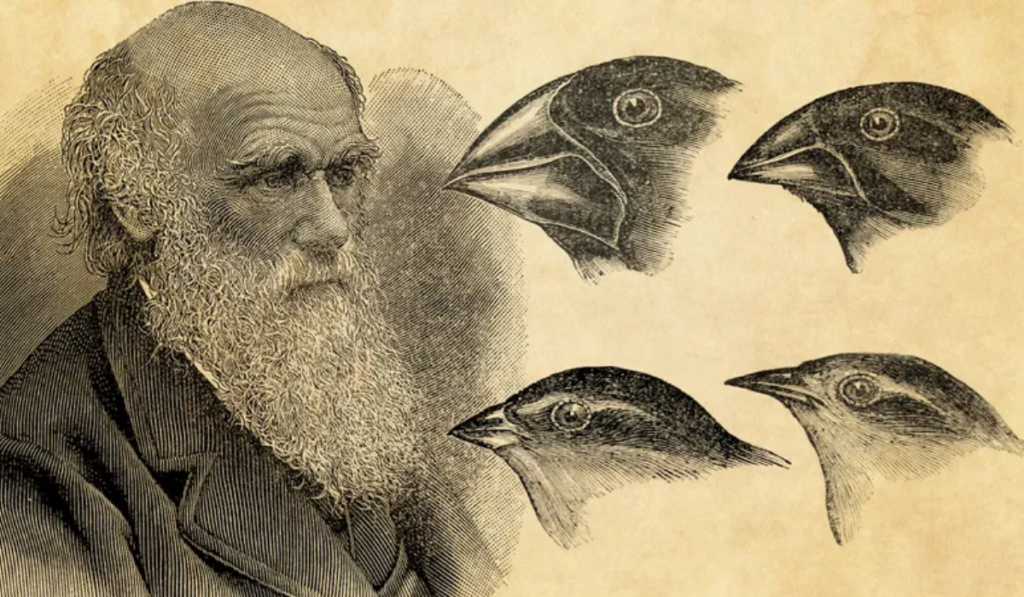
Hesitant to spark immediate controversy, Charles Darwin delayed publishing his comprehensive theory for over twenty years until a manuscript from Alfred Russel Wallace prompted urgent action. In 1859, the release of On the Origin of Species instantly captivated the public imagination, selling out its entire initial print run on the very first day. Academic debates raged fiercely as religious traditionalists confronted the profound implications of humanity sharing ancient lineages with other primates. Through this masterwork, Charles Darwin permanently shifted intellectual paradigms, establishing evolution by natural selection as the foundational cornerstone of contemporary biological science.
Later Botanical and Geological Studies
Beyond evolutionary mechanics, Charles Darwin maintained a remarkably prolific research agenda investigating plant movements, earthworm ecology, and insect pollination mechanisms. He spent years cultivating orchids in his greenhouse at Down House, demonstrating how floral structures evolved intricate adaptations to ensure cross-fertilization by specific insect pollinators. His final book on earthworms highlighted their profound contribution to topsoil formation through decades of continuous biological churning and organic recycling. Through these detailed monographs, Charles Darwin proved himself to be an exceptionally meticulous experimentalist capable of uncovering profound insights within seemingly mundane natural phenomena.
Personal Life and Family Dynamics
Away from the public scientific spotlight, Charles Darwin lived a quiet, domestic life alongside his beloved cousin and wife, Emma Wedgwood, raising a large family in Kent. The tragic loss of several children cast deep emotional shadows over their household, compounding his own lifelong struggles with chronic, debilitating health issues. Despite persistent physical ailments that frequently restricted his daily activities, Charles Darwin maintained an unwavering routine of writing, correspondence, and experimentation supported by a devoted family network. This serene rural environment provided the necessary stability required to process massive amounts of global scientific correspondence.
The Concept of Common Descent
Challenging centuries of fixed taxonomic classification, Charles Darwin proposed that every living organism on Earth traces its lineage back to ancient primordial ancestors. By mapping morphological similarities, embryological development patterns, and rudimentary organs, he constructed theoretical evolutionary trees depicting universal biological relatedness. This radical principle of common descent unified disparate fields like comparative anatomy and paleontology into a single explanatory model. Modern genetics has since fully vindicated the brilliant intuitions that Charles Darwin originally sketched out in his private notebooks using simple branching diagrams.
Human Evolution and Sexual Selection
Extending his evolutionary framework directly to our own species, Charles Darwin published The Descent of Man in 1871 to address human origins and ancestry explicitly. He argued that humans share close common ancestors with African apes, supporting this claim with anatomical comparisons and behavioral observations. Furthermore, he introduced the concept of sexual selection to explain ornamental traits like peacock feathers that do not directly enhance everyday survival. These daring intellectual leaps positioned Charles Darwin as a pioneer who refused to exclude humanity from the grand, dynamic laws governing all organic life.
Global Reactions and Scientific Controversies
Initial skepticism regarding the validity of natural selection came not only from religious institutions but also from prominent physicists and conservative academic contemporaries. Critics argued that the Earth lacked sufficient thermal age to allow slow evolutionary changes, forcing later scientific revisions regarding planetary geology. Throughout these fierce intellectual storms, supporters like Thomas Henry Huxley tirelessly defended the core tenets proposed by Charles Darwin across public forums and academic debates. Over time, overwhelming empirical evidence triumphed over skepticism, cementing his theoretical framework across international scientific communities.
The Integration of Genetics and Evolution
Although modern DNA structures and chromosomal inheritance mechanisms remained entirely unknown during his lifetime, Charles Darwin correctly suspected that heritable variations drove adaptation. Early geneticists initially debated whether Mendelian inheritance conflicted with gradual selection, creating a temporary schism within twentieth-century biology. The subsequent modern synthesis successfully unified Mendelian genetics with natural selection, proving that genetic mutations supply the raw material upon which Charles Darwin theorized. Today, molecular phylogenetics continues to validate his original evolutionary trees using precise genetic sequencing data.
Influence on Modern Ecological Sciences
Environmental awareness and conservation biology owe an immense intellectual debt to the foundational ecosystem perspectives pioneered by Charles Darwin during his extensive travels. His observations of interdependent species relationships demonstrated how disrupting one element of a local habitat can trigger cascading ecological consequences. Modern ecologists frequently rely on evolutionary principles to understand biodiversity loss, climate change adaptation, and invasive species dynamics globally. The holistic worldview championed by Charles Darwin remains vital for addressing contemporary environmental crises threatening global natural habitats today.
Cultural Legacy and Public Perception
Few historical figures have matched the profound cultural footprint left behind by Charles Darwin across literature, philosophy, and popular media. Phrases like survival of the fittest entered everyday global vernacular, influencing socio-political theories, economic models, and artistic expressions throughout the late nineteenth and twentieth centuries. Monuments, institutional lectures, and international research grants continue to celebrate his monumental intellectual contributions to human civilization. The enduring cultural resonance of Charles Darwin demonstrates how one brilliant mind can permanently elevate humanity’s collective quest for truth.
Commemoration and Final Resting Place
Following his passing in April 1882, public grief culminated in a prestigious state funeral held inside Westminster Abbey near the tomb of Isaac Newton. Fellow scientists, international dignitaries, and family members gathered to honor a man whose ideas redefined humanity’s place within the vast cosmos. Down House was eventually preserved as a museum, allowing visitors from around the world to explore his historic study and experimental gardens. This solemn national tribute ensured that Charles Darwin would forever remain enshrined among the greatest scientific intellects in recorded history.
Impact on Philosophy and Human Thought
Philosophical frameworks underwent a massive paradigm shift as the teleological view of nature gave way to mechanistic evolutionary explanations championed by Charles Darwin. Epistemology, ethics, and theology were forced to adapt to a universe driven by natural laws rather than intentional divine design. Prominent thinkers utilized evolutionary perspectives to re-examine human nature, societal progress, and moral development across diverse cultural landscapes. This profound philosophical transition initiated by Charles Darwin continues to challenge modern thinkers to evaluate human existence through an empirical lens.
Ongoing Relevance in Modern Education
Curriculums across secondary schools and universities worldwide prioritize evolutionary biology as an indispensable pillar of comprehensive scientific literacy and critical thinking. Educators continually refine how principles first articulated by Charles Darwin are taught to counter scientific misconceptions and foster analytical reasoning. Laboratory experiments tracking rapid bacterial resistance or viral mutations provide living proof of evolution in real time for modern students. Ensuring robust public understanding of the concepts pioneered by Charles Darwin remains essential for advancing future scientific innovation and medical breakthroughs.
Evolutionary Medicine and Modern Healthcare
Medical science increasingly relies on evolutionary principles to understand pathogen evolution, antibiotic resistance, and chronic hereditary human disorders globally. Physicians and epidemiologists study how disease-causing organisms adapt to pharmaceutical interventions, echoing core concepts originally outlined by Charles Darwin regarding natural selection. Recognizing why certain genetic vulnerabilities persist in human populations helps researchers design targeted therapies and preventative public health measures. Thus, the practical applications derived from Charles Darwin save countless human lives through advanced modern clinical interventions.
Enduring Inspiration for Future Generations
Aspiring scientists across every discipline continue to draw profound inspiration from the relentless curiosity, humility, and rigorous methodology of Charles Darwin. His voluminous journals and correspondence reveal a thinker who doubted his own assumptions, tested hypotheses exhaustively, and welcomed contradictory empirical evidence. This exemplary scientific integrity serves as a timeless guiding light for researchers navigating complex unknowns in contemporary laboratories and field stations. The permanent intellectual monument erected by Charles Darwin guarantees that his spirit of inquiry will endure for eternity.
Frequently Asked Questions
- When was Charles Darwin born?
- Charles Darwin was born on February 12, 1809.
- What ship did Charles Darwin travel on?
- He sailed around the world on the HMS Beagle.
- What is Charles Darwin’s most famous book?
- His most famous work is On the Origin of Species, published in 1859.
- Where is Charles Darwin buried?
- He is buried in Westminster Abbey in London.
- What major scientific theory is he known for?
- He is primarily known for the theory of evolution by natural selection.