 admin
admin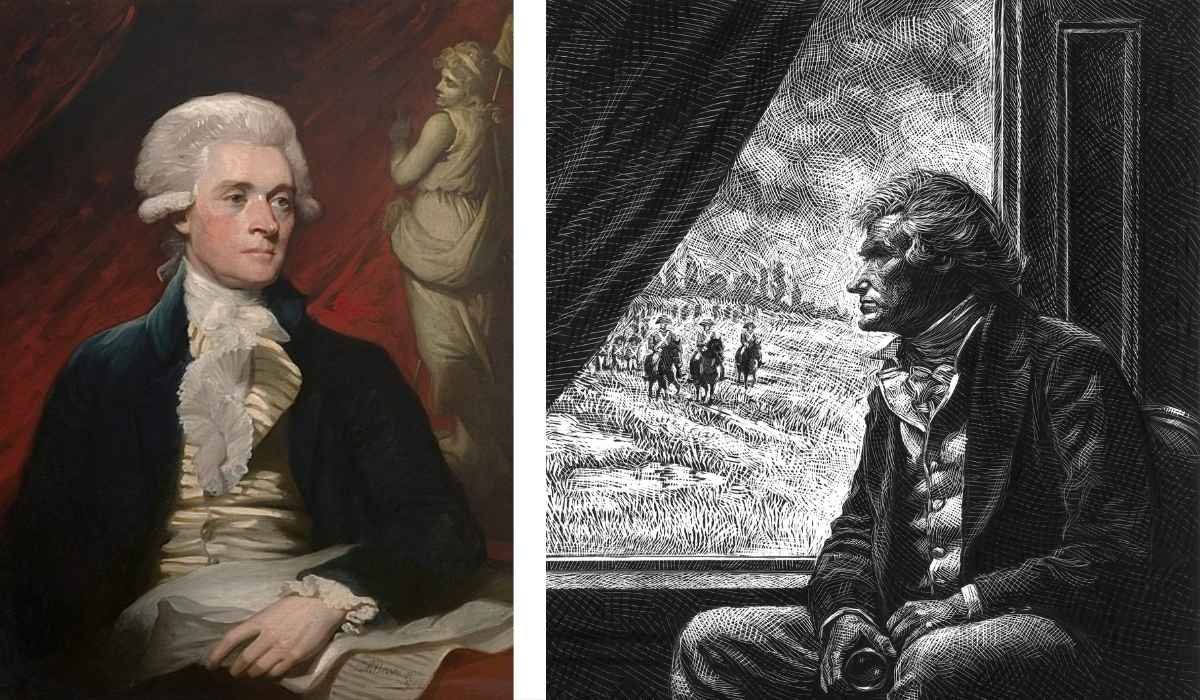
Thomas Jefferson stands as a towering figure in the foundational history of the United States, representing an era of profound political and social transformation. Born into the colonial planter class of Virginia, he grew to become a multifaceted genius excelling in law, architecture, agriculture, and statesmanship. His intellectual curiosity knew virtually no bounds, deeply absorbing the Enlightenment principles that swept across Europe and the American colonies during the eighteenth century.
As a principal architect of American independence, his visionary writings challenged the divine right of kings and championed the inherent dignity of individual citizens everywhere. Today, studying his complex life offers critical insights into the fragile origins of democratic governance and the ongoing struggle to align lofty philosophical ideals with the complex realities of human history and institutional power structures.
Quick Bio
| Feature | Detail |
| Name | Thomas Jefferson |
| Birth Date | April 13, 1743 |
| Death Date | July 4, 1826 |
| Role | 3rd US President |
| Key Writing | Declaration of Independence |
Early Life and Formative Years at Shadwell Plantation
Growing up in the remote wilderness of colonial Virginia, Thomas Jefferson developed a lifelong passion for the natural sciences and classical literature. His father, a self-taught surveyor and planter, ensured that young Thomas received a rigorous classical education under local tutors. These formative years instilled a deep appreciation for disciplined study, long hours of reading, and physical endurance across rugged landscapes. The sudden passing of his father left a profound emotional impact, forcing him to mature rapidly and assume significant estate responsibilities. These early experiences shaped his self-reliant character and prepared him for the monumental leadership roles he would later undertake on the national stage during turbulent revolutionary times.
Higher Education at the College of William and Mary
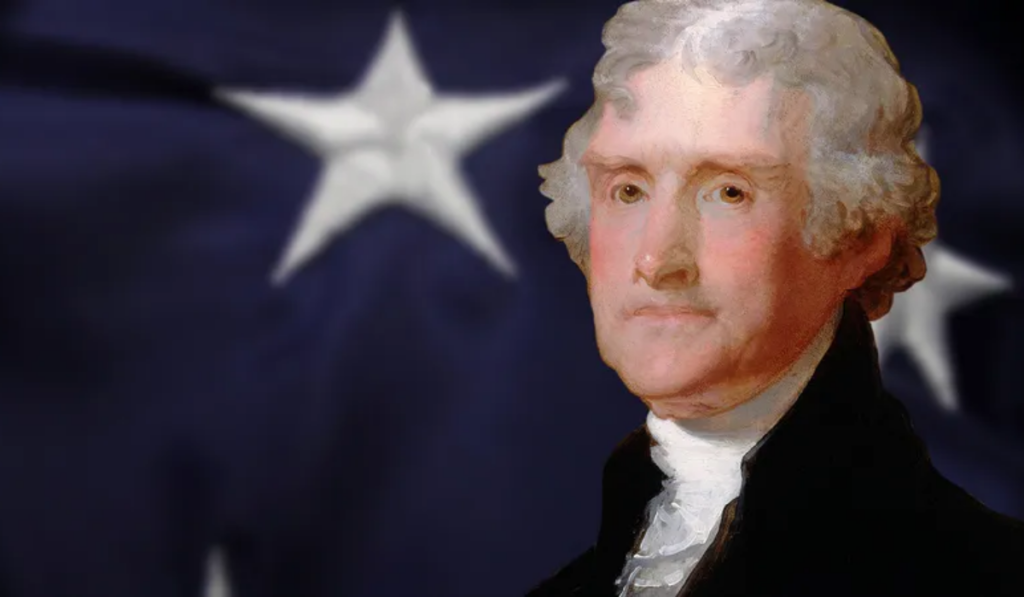
Entering the College of William and Mary marked a critical turning point where Thomas Jefferson encountered brilliant mentors who expanded his intellectual horizons. Under the guidance of professors like William Small, he immersed himself in mathematics, philosophy, and the revolutionary writings of British empiricists. Instead of succumbing to casual undergraduate distractions, he quickly dedicated up to fifteen daily hours to intensive academic pursuits. This rigorous intellectual boot camp exposed him to rational dialogue and enlightened political theory that directly challenged traditional monarchical structures. The friendships and mentorships forged in Williamsburg provided an essential foundation for his subsequent legal career and radical political philosophy.
Legal Career and Admission to the Virginia Bar
Transitioning from formal academic studies, Thomas Jefferson spent years mastering the intricate details of common law under the watchful eye of George Wythe. Establishing a successful legal practice required immense patience, sharp analytical skills, and a thorough understanding of colonial property rights and judicial precedents. Although he rarely enjoyed courtroom speaking, his brilliantly crafted legal briefs and meticulous preparation earned him widespread professional respect among peers. This deep immersion in jurisprudence sharpened his ability to construct airtight philosophical arguments defending colonial liberties against parliamentary overreach. His legal background ultimately proved indispensable when drafting foundational legislative acts and constitutional frameworks for the emerging American republic.
Architectural Genius and the Creation of Monticello
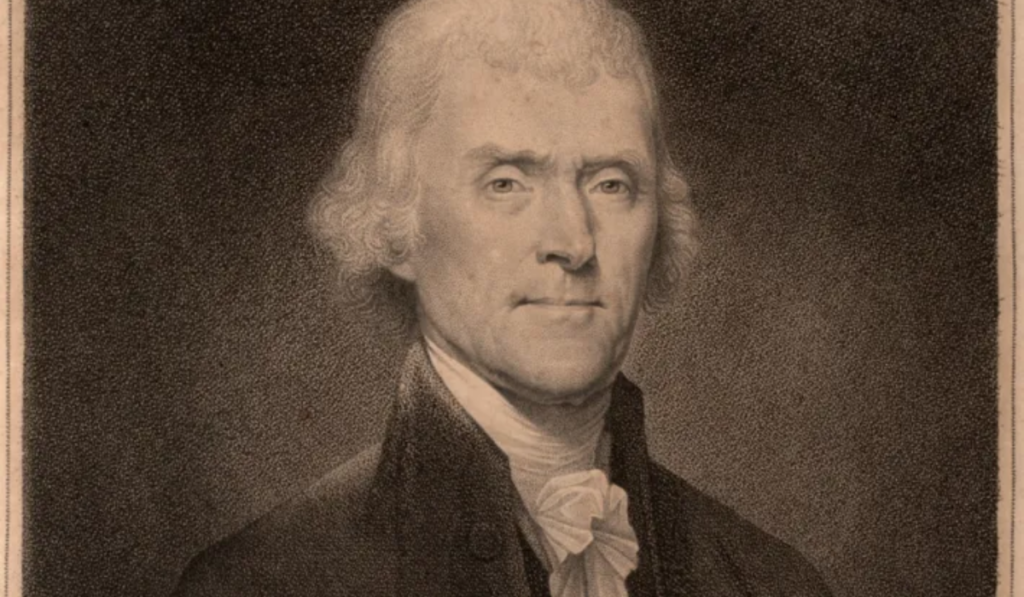
Perched majestically atop a small mountain in Charlottesville, Monticello remains a stunning testament to the architectural brilliance of Thomas Jefferson. Inspired by classic Palladian design principles encountered during his European travels, he spent decades redesigning, expanding, and refining his beloved hilltop home. The estate featured innovative gadgets, light-filled rooms, and unique structural adaptations designed to showcase American craftsmanship and neoclassical aesthetics. Managing construction required coordinating local artisans, skilled craftsmen, and enslaved laborers within a complex plantation economy. Today, this architectural masterpiece serves as a physical manifestation of his complex mind, blending artistic elegance, agricultural practicality, and deep philosophical contradictions into one unified historical monument.
Courtship and Marriage to Martha Wayles Skelton
Entering a deeply affectionate partnership, Thomas Jefferson married the young and accomplished widow Martha Wayles Skelton on New Year’s Day in 1772. Their shared love for literature, music, and quiet domestic life created a harmonious refuge amidst the gathering political storms of the American Revolution. Tragically, persistent health challenges plagued Martha throughout their marriage, culminating in her untimely death shortly after the birth of their youngest children. Grief-stricken, Thomas Jefferson vowed never to remarry, carrying a profound personal sorrow that deeply influenced his emotional resilience during high-stakes diplomatic and presidential service. This devastating loss profoundly altered his family dynamics and left a permanent mark on his personal life trajectory.
Revolutionary Firebrand and the Continental Congress
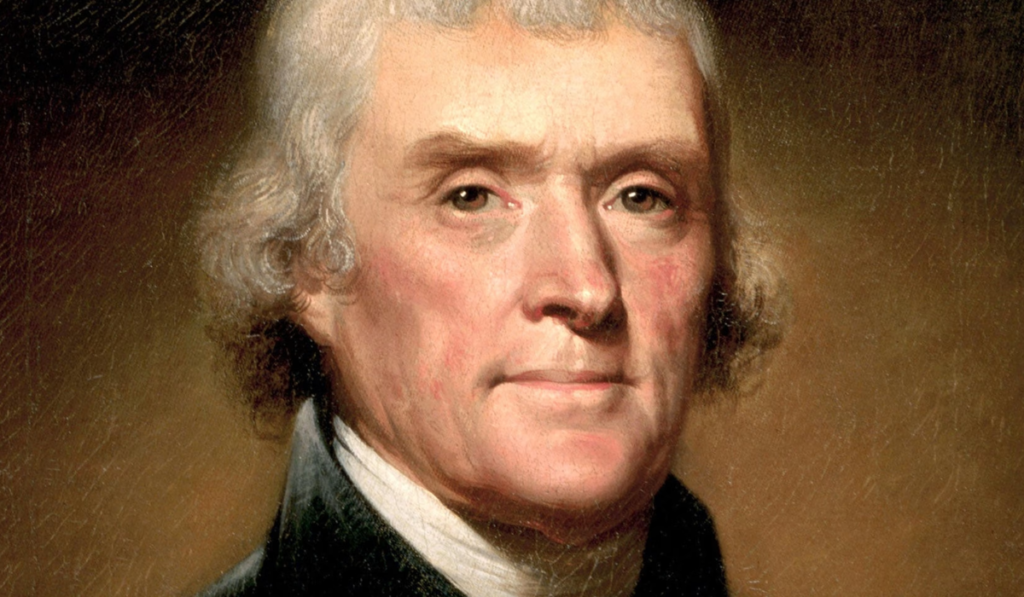
Stepping onto the continental stage, Thomas Jefferson quickly distinguished himself as a powerful penman rather than an aggressive orator within revolutionary assemblies. Representing Virginia at the Second Continental Congress, he articulated colonial grievances with unmatched clarity, logical rigor, and moral authority. His ability to synthesize complex Enlightenment ideals into compelling political rhetoric caught the attention of veteran revolutionary leaders seeking fresh intellectual momentum. By collaborating with fellow delegates, he helped coordinate inter-colonial resistance strategies that united disparate provinces against crown authority. This pivotal congressional service solidified his reputation as a premier intellectual defender of American liberty and self-determination against tyrannical governance.
Drafting the Historic Declaration of Independence
Entrusted with an awe-inspiring historical mandate, Thomas Jefferson spent weeks drafting the primary text of the American Declaration of Independence in a rented Philadelphia room. Drawing inspiration from John Locke and natural rights philosophy, he immortalized the self-evident truth that all men are endowed with unalienable rights to life and liberty. Congress vigorously debated and edited his draft, cutting explicit condemnations of the slave trade while preserving the powerful opening preamble. This masterwork of political prose successfully transformed a localized colonial tax revolt into a universal human rights crusade. The enduring document established Thomas Jefferson as an iconic global symbol of democratic resistance against oppressive political regimes.
Wartime Governor of Virginia Amidst Chaos
Navigating one of the darkest periods of the revolution, Thomas Jefferson served as the wartime governor of Virginia from 1779 to 1781. Facing invading British armies, depleted state militias, and a bankrupt treasury, his administration struggled desperately to maintain effective military defense logistics. The dramatic British raid on Richmond forced his government to flee into the Blue Ridge Mountains, drawing intense public criticism from panicked local legislators. Although deeply wounded by political accusations regarding his executive competence during the crisis, he maintained a dignified silence and focused on historical rehabilitation. This challenging executive experience exposed the severe structural limitations of weak state constitutions during existential wartime emergencies.
Championing Religious Freedom Through State Legislation
Drafting the groundbreaking Virginia Statute for Religious Freedom stands as one of the proudest legislative achievements of Thomas Jefferson during his postwar political career. He firmly believed that civil government had no legitimate authority to dictate human conscience or coerce religious orthodoxy through tax-funded establishments. Battling entrenched conservative opposition alongside James Madison, he fought tirelessly until the revolutionary bill finally passed into law in 1786. This legislative triumph dismantled state-sponsored Anglican church privileges and established an absolute legal wall of separation between church and state. The statute served as a direct conceptual blueprint for the First Amendment of the United States Constitution, protecting pluralism.
Diplomatic Mission in Paris and European Enlightenment
Immersing himself in the vibrant intellectual salons of Europe, Thomas Jefferson served brilliantly as the United States Minister to France starting in 1785. Surrounded by leading French philosophers, scientists, and political reformers, he eagerly absorbed European cultural sophistication while promoting American commercial interests abroad. Witnessing the early rumblings of the French Revolution firsthand, he maintained a cautiously optimistic view regarding popular uprisings against feudal oppression. His diplomatic tenure also allowed him to collect vast quantities of books, architectural designs, and botanical specimens that enriched his home estate. This extended European sojourn profoundly broadened the global perspective of Thomas Jefferson on international commerce and diplomacy.
Serving as the First United States Secretary of State
Returning to domestic governance, Thomas Jefferson accepted President George Washington’s appointment as the nation’s inaugural Secretary of State in 1790. Tasked with navigating treacherous post-revolutionary foreign policies, he clashed constantly with Treasury Secretary Alexander Hamilton over economic centralization and federal power limits. While Hamilton championed a strong national bank and manufacturing economy, Thomas Jefferson envisioned an agrarian republic rooted in independent yeoman farmers. This fierce ideological battle birthed America’s first organized political party system, dividing the cabinet and straining executive harmony. Frustrated by executive centralization, he ultimately resigned from Washington’s cabinet to regroup political opposition forces across the expanding states.
Founding the Democratic-Republican Political Party
Organizing a formidable grassroots political movement, Thomas Jefferson co-founded the Democratic-Republican Party alongside James Madison to challenge federalist overreach. Traveling extensively and corresponding with regional leaders, he built a powerful coalition connecting southern planters with northern agrarian sympathizers. The party advocated strictly constitutional limitations on federal authority, lower taxes, decentralized governance, and a foreign policy sympathetic to republican France. This institutional framework successfully captured the presidency in 1800, marking the first peaceful transfer of power between opposing political factions in modern history. The organizational legacy of Thomas Jefferson permanently reshaped American electoral politics and established enduring participatory democratic traditions nationwide.
Securing the Historic Louisiana Purchase in 1803
Executing the most consequential land deal in American history, President Thomas Jefferson doubled the national territory via the 1803 Louisiana Purchase from Napoleonic France. Seizing a strategic diplomatic opportunity to secure permanent control over the Mississippi River port of New Orleans, he authorized the unexpected transaction. Although federalists criticized the purchase as unconstitutional due to a lack of explicit executive authorization, he prioritized national destiny over strict legalism. This bold acquisition opened millions of fertile acres for western settlement, altering geopolitical dynamics permanently. Thomas Jefferson subsequently commissioned the famous Lewis and Clark Expedition to explore and map these uncharted western wilderness territories.
Maintaining Neutrality and the Embargo Act of 1807
Navigating treacherous international waters during the Napoleonic Wars, President Thomas Jefferson struggled desperately to keep America out of direct military conflict. Facing relentless British and French harassment of neutral American shipping vessels, he implemented the controversial Embargo Act of 1807. This sweeping economic sanction banned all foreign trade, hoping to starve European powers of American goods, but it severely crippled domestic merchant economies. Public outrage, widespread smuggling, and economic depression in New England damaged his final presidential term significantly. Despite its unpopularity, Thomas Jefferson maintained that peaceful economic coercion was preferable to entering a bloody, costly foreign war.
Complex Personal Stance and Views on Slavery
Grappling with an immense moral contradiction, Thomas Jefferson owned hundreds of enslaved human beings throughout his life while penning universal liberation ideals. Although he occasionally introduced early legislative proposals attempting to restrict the western expansion of slavery, his personal lifestyle remained heavily dependent on enslaved labor. Historical evidence strongly indicates a decades-long relationship with his enslaved maid Sally Hemings, resulting in multiple children born at Monticello. This painful dichotomy between his philosophical proclamations against tyranny and his practical ownership of human property highlights the tragic hypocrisy prevalent among founding elites. Modern historians continue examining Thomas Jefferson through this complex lens of profound moral failure and brilliant intellectual achievement.
Retiring to Monticello and Agricultural Experimentation
Stepping down from public office in 1809, Thomas Jefferson retired to his beloved Monticello estate to focus on scientific farming and correspondence. Experimenting with advanced crop rotations, contour ploughing, and imported wine grapes, he sought to modernize traditional southern agricultural practices. His sprawling study overflowed with incoming letters from global intellectuals, politicians, and curious citizens seeking his sage political counsel. He also maintained an elaborate system of mechanical copying devices, weather recording instruments, and botanical gardens that kept his brilliant mind perpetually occupied. This peaceful retirement period allowed Thomas Jefferson to cultivate his personal interests while carefully curating his historical legacy for future generations.
Founding the Secular University of Virginia
Envisioning a revolutionary educational model free from religious control, Thomas Jefferson personally designed and founded the University of Virginia in Charlottesville. He supervised every detail of construction, from the neoclassical pavilion architecture surrounding the famous Rotunda to the innovative academic curriculum. Rejecting mandatory chapel attendance and traditional theological dominance, he prioritized modern languages, sciences, and self-directed student research. Securing state funding required tremendous political stamina, but he successfully launched the institution as his crowning public service achievement. Today, the university stands as a monument to the lifelong commitment of Thomas Jefferson to public enlightenment, academic freedom, and democratic education.
Financial Struggles and Personal Bankruptcy in Old Age
Facing crushing debts accumulated through lavish entertaining, agricultural mismanagement, and economic panics, Thomas Jefferson spent his final years in severe financial distress. His massive personal library was sold to Congress to replace books burned during the War of 1812, forming the modern Library of Congress foundation. Despite selling off vast tracts of land through private lotteries, he remained insolvent, raising intense public sympathy nationwide. Sympathetic citizens contributed donations to help save his beloved Monticello home from immediate creditor seizure during his final months. This tragic financial collapse demonstrated the precarious economic realities faced by many elite Virginia planters transitioning into the nineteenth-century capitalist economy.
Historic Final Hours and Dual Death on Independence Day
Reaching the end of an extraordinary life journey, Thomas Jefferson passed away peacefully at Monticello on July 4, 1826, aged eighty-three. Remarkably, his death occurred on the exact fiftieth anniversary of the adoption of the Declaration of Independence that he authored. In an astonishing historical coincidence, his longtime political rival and dear friend John Adams died just hours later in Massachusetts. Their simultaneous passing on America’s jubilee celebration felt almost miraculous to a grieving nation mourning its founding generation. Thomas Jefferson left behind a complex legacy that continues shaping political debates, constitutional interpretations, and national identity across the modern world.
Frequently Asked Questions
- Q: When was Thomas Jefferson born?
- Thomas Jefferson was born on April 13, 1743.
- Q: What major document did he write?
- He was the primary author of the United States Declaration of Independence.
- Q: Which US president was he?
- He served as the third president of the United States from 1801 to 1809.
- Q: What famous land deal occurred during his presidency?
- He authorized the Louisiana Purchase from France in 1803.
- Q: When did Thomas Jefferson die?
- He died on July 4, 1826, on the fiftieth anniversary of American independence.