 admin
admin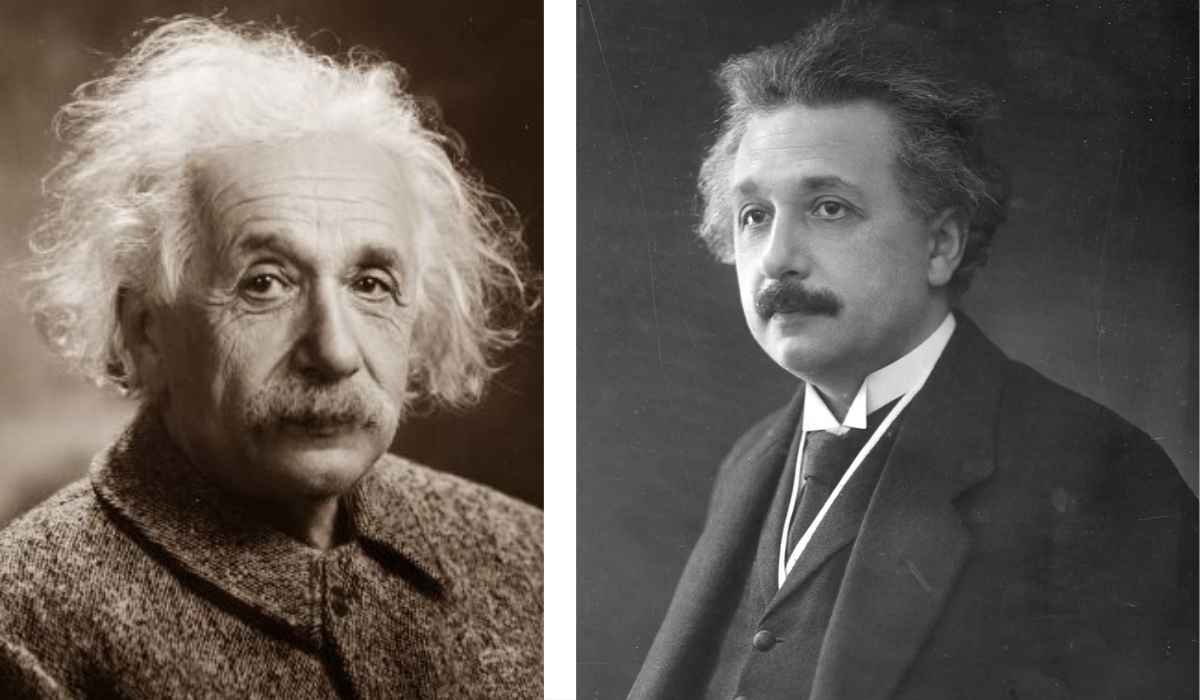
Albert Einstein changed our perception of the universe forever through his profound intellect, elegant mathematical formulations, and unmatched dedication to theoretical physics. Born in Germany in 1879, he showed early curiosity about how nature worked, eventually developing groundbreaking theories that reshaped science. His famous equation linked mass and energy, while his concepts of relativity redefined space, time, and gravity for generations of scientists and thinkers. Beyond science, he remained a passionate advocate for peace, humanitarian values, and global cooperation throughout an eventful life that transformed human history.
Quick Bio
| Attribute | Detail |
| Full Name | Albert Einstein |
| Born | March 14, 1879, Ulm, Germany |
| Died | April 18, 1955, Princeton, New Jersey |
| Key Discovery | Theory of Relativity & Photoelectric Effect |
| Nobel Prize | Nobel Prize in Physics (1921) |
Early Life and Childhood in Germany
Albert Einstein began his journey into the world on March 14, 1879, inside the city of Ulm within the German Empire. Growing up within a secular Jewish household, young Albert experienced a quiet childhood where he preferred independent observation over noisy social gatherings. His parents often worried about his slow speech development during his earliest toddler years, yet his mind was already actively processing complex patterns. A pocket compass given by his father during a childhood illness sparked an intense, lifelong fascination with invisible magnetic forces and natural mysteries.
Curiosity and Early Education Challenges
School education in Munich proved deeply frustrating for Albert Einstein due to its rigid, authoritarian teaching style and heavy reliance on rote memorization. Teachers frequently criticized his dreamlike demeanor, claiming that conventional paths would yield very little success for his independent personality style. Despite institutional friction, he mastered advanced geometry and calculus entirely on his own before reaching his teenage years, demonstrating extraordinary mathematical aptitude. This self-driven education allowed him to bypass standard limitations, fostering an unconventional approach to problem-solving that defined his career.
Moving to Switzerland and Academic Pursuits
Leaving behind the oppressive atmosphere of his former school, Albert Einstein relocated to Switzerland to complete his secondary education and professional training. He enrolled at the prestigious Swiss Federal Polytechnic School in Zurich, aiming to secure a formal credential as a teacher of mathematics. Although he occasionally skipped lectures to study physics independently, his brilliant peer network helped him grasp complex concepts. Graduation arrived in the year 1900, opening doors toward future academic exploration, even though securing a traditional professorship proved difficult initially.
Working at the Swiss Patent Office
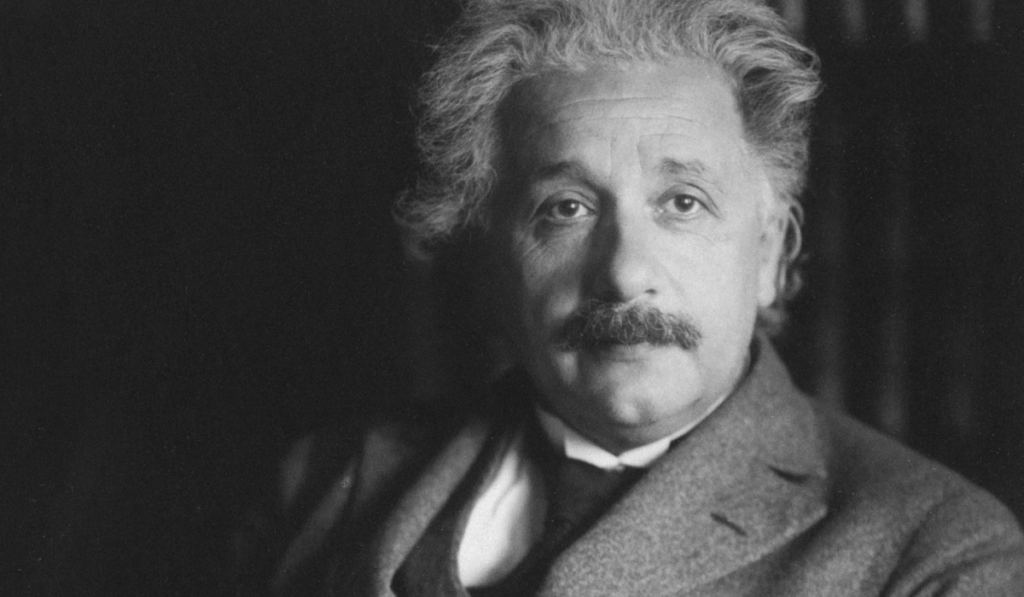
Employment as a technical assistant third class at the Swiss Patent Office in Bern provided Albert Einstein with financial stability and unexpected creative freedom. Evaluating patent applications for various electrical and mechanical devices required him to analyze technical specifications quickly, leaving ample time for his own calculations. This environment allowed him to ponder the fundamental nature of time synchronization and electrodynamics during quiet office hours. Far from isolating him from real science, this modest job became the unexpected birthplace of revolutionary physical insights.
The Miracle Year of 1905
The year 1905 remains celebrated as a miraculous period during which Albert Einstein published four groundbreaking papers in the prominent Annalen der Physik journal. These revolutionary publications addressed the photoelectric effect, Brownian motion, special relativity, and mass-energy equivalence, completely shaking classical physics. Each paper challenged established Newtonian assumptions, offering elegant mathematical solutions to problems that had baffled researchers for decades. Physics would never look the same again after these concise articles transformed theoretical frameworks across the international scientific community.
Unlocking the Secrets of Photoelectric Effect
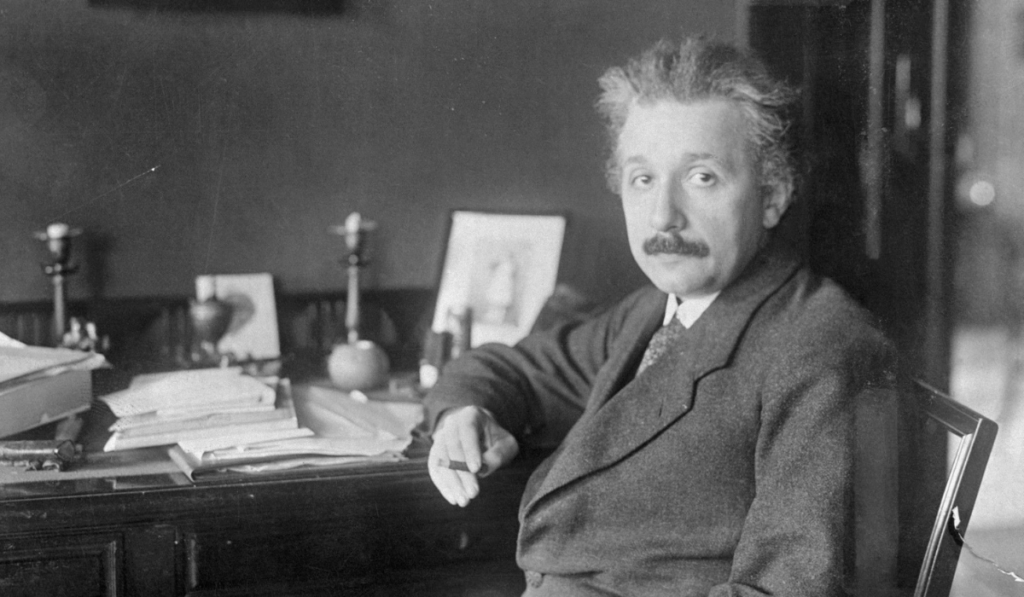
Explaining the photoelectric effect earned Albert Einstein his ultimate recognition through the prestigious Nobel Prize in Physics awarded several years later. He proposed that light could be understood not only as a continuous wave but also as discrete packets of energy later named photons. This bold hypothesis laid crucial foundational groundwork for the emergence of modern quantum mechanics, challenging classical electromagnetic theories. Scientists suddenly gained a powerful new tool to interpret atomic interactions, light emission, and energy transfer processes accurately.
Formulating Special Relativity
Special relativity emerged from deep meditations by Albert Einstein regarding how electromagnetic laws behave for observers moving at constant speeds relative to each other. He established that the speed of light in a vacuum remains completely constant regardless of the motion of the light source or observer. Consequently, space and time are not independent absolute entities, but rather woven together into a flexible four-dimensional fabric known as spacetime. This paradigm shift dismantled traditional absolute clock times, proving that duration and distance depend entirely on the observer’s frame.
The World Famous Equation E equals mc squared
Mass-energy equivalence stands as the most famous mathematical consequence derived by Albert Einstein from his special theory of relativity framework. Expressed through the concise formula $E = mc^2$, it demonstrates that mass and energy are interchangeable manifestations of the exact same underlying physical reality. A tiny amount of mass can be converted into an immense amount of energy, foreshadowing modern nuclear physics developments. This simple yet profound equation quickly transcended academic textbooks, becoming an enduring cultural symbol of genius and scientific achievement worldwide.
Transitioning to Academic Professorships
Following his initial publication breakthroughs, academic institutions quickly recognized the immense value that Albert Einstein brought to higher education and theoretical research. He accepted professorship positions at Zurich, Prague, and later Berlin, where he directed the Kaiser Wilhelm Physical Institute. These roles allowed him to collaborate directly with other leading minds of Europe, fostering intense intellectual exchanges. Teaching responsibilities also enabled him to mentor brilliant students who would carry forward the torch of modern theoretical physics into subsequent decades.
Developing General Relativity
Expanding beyond special relativity, Albert Einstein spent nearly a decade formulating a comprehensive theory that incorporated gravity into his geometric framework. Published in 1915, general relativity redefined gravity not as an invisible pulling force, but as the natural curvature of spacetime caused by mass. Heavy cosmic bodies like stars and planets warp the surrounding grid of space and time, directing the motion of other objects nearby. This masterpiece of human intellect accurately predicted phenomena like gravitational lensing and black holes long before modern observational astronomy confirmed them.
Winning the Nobel Prize in Physics
International acclaim reached its peak when Albert Einstein received the 1921 Nobel Prize in Physics for his foundational services to theoretical science. Although his relativity theories remained somewhat controversial due to their abstract nature, his precise explanation of the photoelectric effect provided undeniable empirical validity. The award ceremony cemented his status as a global scientific icon, bringing both celebration and intense public attention to his daily life. He utilized this newfound platform to advocate for international scientific cooperation and cultural exchange across borders.
Global Travels and Cultural Icon Status
Traveling extensively across continents, Albert Einstein experienced rock-star status during visits to Asia, the Americas, and various European cultural capitals. Crowds gathered everywhere just to catch a glimpse of the gentle physicist with wild hair, a violin case, and a thoughtful expression. Despite public adulation, he maintained a remarkably humble lifestyle, preferring quiet violin practice, sailing, and deep philosophical contemplation over luxury. His distinctive appearance and profound insights permanently etched his likeness into public consciousness as the universal archetype of scientific brilliance.
Emigration to the United States
The rise of the Nazi regime in Germany during the early 1930s forced Albert Einstein to make a permanent, life-altering relocation abroad. Being of Jewish heritage and an outspoken pacifist, he became an immediate target for political persecution and propaganda campaigns. He accepted a prestigious research position at the Institute for Advanced Study in Princeton, New Jersey, finding a safe harbor for his work. Embracing his new home, he eventually became a United States citizen in 1940, continuing his theoretical investigations until his final days.
Research at Princeton University
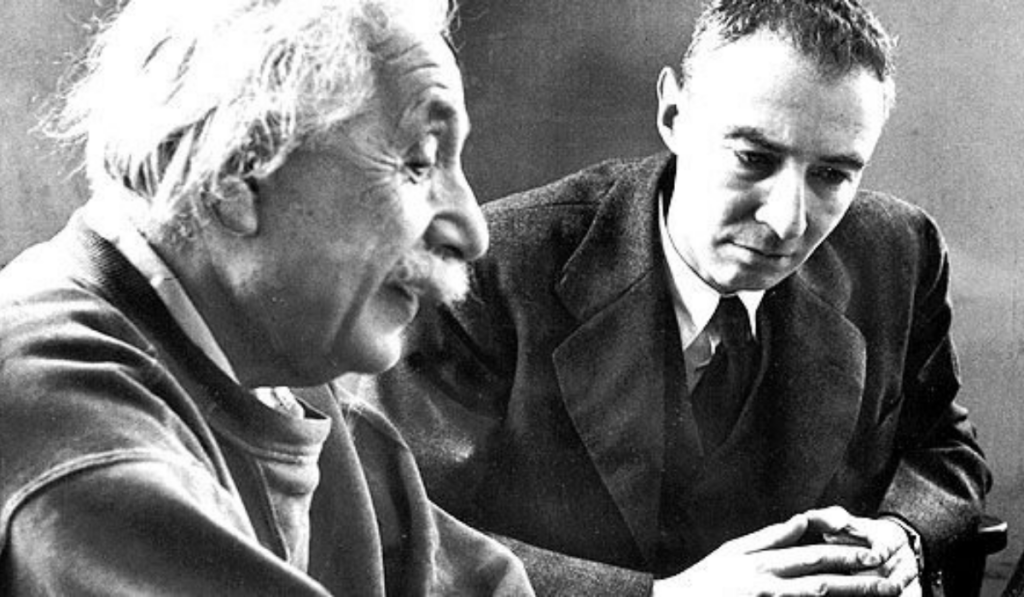
Princeton provided Albert Einstein with a tranquil academic sanctuary where he spent the final decades of his illustrious and productive career. During this phase, he focused heavily on pursuing a unified field theory, attempting to merge electromagnetism and gravity into one overarching mathematical description. Although this ambitious quest remained ultimately unfinished, his persistent dedication inspired later generations attempting grand unification. He remained an approachable, kind figure on campus, often spotted chatting with students or walking along neighborhood paths without pretense.
Pacifism and Humanitarian Advocacy
Beyond equations and laboratories, Albert Einstein was a deeply committed pacifist, humanist, and vocal advocate for global civil liberties. Shocked by the destructive potential of atomic weaponry during World War II, he later signed manifestos urging international nuclear disarmament and peace. He also spoke out strongly against racial discrimination and civil rights abuses, viewing social justice as inseparable from scientific progress. His moral authority carried immense weight, positioning him as a global conscience who cared deeply about the ethical direction of human society.
Personal Life and Passions
Music played a vital emotional role for Albert Einstein, who found deep solace and inspiration in playing classical violin sonatas regularly. His marriages to Mileva Marić and later Elsa Löwenthal experienced complex personal dynamics, balancing family commitments with intense scientific focus. Despite personal hardships, he maintained close friendships and enjoyed spending hours sailing on quiet lakes or discussing philosophy. These human hobbies grounded his towering intellect, revealing a sensitive, humorous person behind the legendary scientific facade.
Final Days and Peaceful Passing
As April 1955 approached, health complications slowed the activities of Albert Einstein, though his mind remained sharp until the very end. He passed away peacefully on April 18, 1955, inside Princeton Hospital at the age of seventy-six, leaving behind an unmatched legacy. Per his final wishes, no grandiose monument was erected, keeping his farewell simple and private. The news of his death triggered global mourning, with tributes pouring in from scientists, politicians, and admirers across every corner of the earth.
Lasting Scientific and Cultural Legacy
The profound imprint left by Albert Einstein continues to guide modern astrophysics, satellite navigation technology, and theoretical research laboratories worldwide. Gravitational wave detectors and space telescopes regularly validate predictions he made over a century ago using simple paper and pencil. His name has become a universal synonym for genius, inspiring millions of young students to pursue careers in science and mathematics. Humanity permanently views the cosmos through the conceptual framework he built during a lifetime of relentless curiosity and wonder.
Reflecting on a Century of Physics
Reflecting upon the monumental contributions of Albert Einstein reveals how a single imaginative mind can completely transform human understanding of reality. From humble patent office desks to advanced research institutions, his journey exemplifies the power of independent thought over traditional dogmas. Every technological breakthrough relying on relativity or quantum principles stands as a testament to his enduring genius. His life encourages future generations to question assumptions, explore nature deeply, and preserve peace across our shared global community.
FAQs
- What was the primary scientific achievement of Albert Einstein?
- Albert Einstein is best known for developing the special and general theories of relativity.
- When and where was Albert Einstein born?
- He was born on March 14, 1879, in Ulm, in the Kingdom of Württemberg, German Empire.
- For what discovery did Albert Einstein win the Nobel Prize?
- He received the 1921 Nobel Prize in Physics for his explanation of the law of the photoelectric effect.
- What is the meaning of his famous equation $E = mc^2$?
- The equation establishes mass-energy equivalence, meaning that mass and energy are interchangeable forms of the same physical property.
- When did Albert Einstein pass away?
- He died on April 18, 1955, in Princeton, New Jersey, United States.