 admin
admin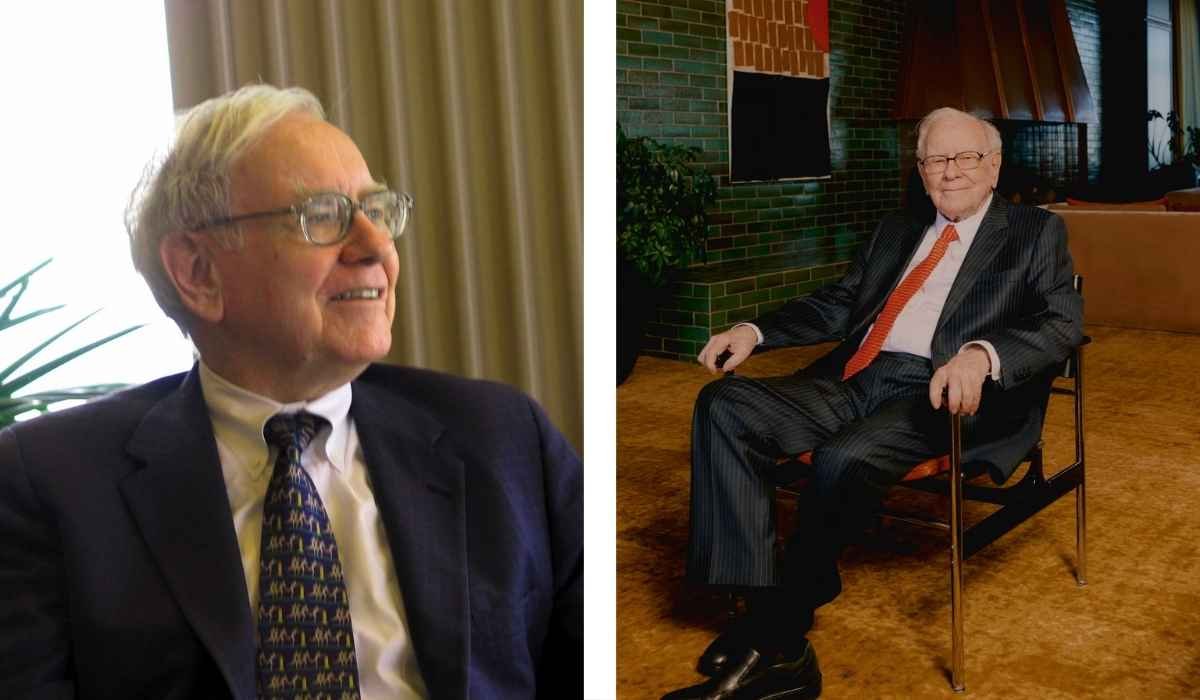
The world of global finance has seen few figures as influential, steady, and universally admired as Warren Buffett. Born in Omaha, Nebraska, in 1930, this legendary investor demonstrated an uncanny knack for business, entrepreneurship, and economics from a remarkably tender age. Over several decades, he transformed a struggling textile manufacturing firm into Berkshire Hathaway, a massive multinational conglomerate holding company. His disciplined approach to value investing, combined with extreme patience and a frugal lifestyle, allowed him to accumulate an astronomical net worth. Today, millions of aspiring traders, corporate executives, and students closely study Warren to understand the core mechanics of long-term wealth creation.
Quick Bio
| Metric | Details |
| Full Name | Warren Edward Buffett |
| Born | August 30, 1930 |
| Birthplace | Omaha, Nebraska, U.S. |
| Occupation | Investor, Business Magnate, Philanthropist |
| Notable Organization | Berkshire Hathaway |
Early Beginnings And Childhood Entrepreneurship
Growing up during the challenging years of the Great Depression shaped the foundational money habits of Warren Buffett in profound ways. Even as a young boy living in Nebraska, he engaged in various small-scale commercial ventures, including delivering newspapers and selling chewing gum door-to-door. These early experiences instilled a deep appreciation for the value of earned capital and the importance of self-reliance. His father, a stockbroker and U.S. congressman, regularly exposed him to financial literature and trading floors, further fueling an intense childhood passion for commerce. Every single lesson learned during these formative years quietly prepared Warren Buffett for future greatness.
Education At Wharton And Columbia
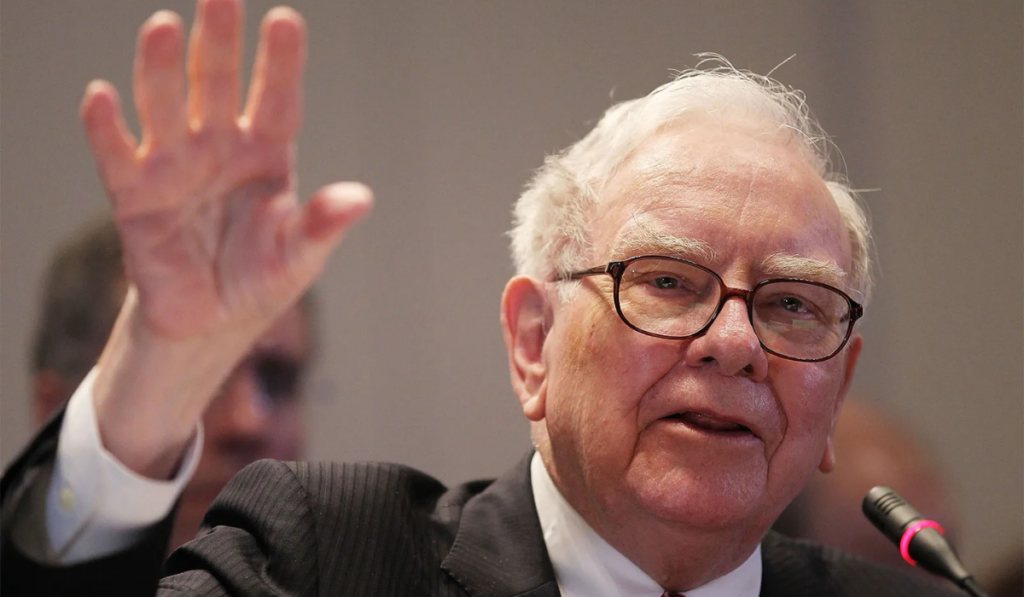
Formal education played a crucial pivotal role in refining the raw commercial instincts of Warren Buffett during his youth. He initially attended the Wharton School of the University of Pennsylvania before completing his undergraduate studies at the University of Nebraska-Lincoln. Seeking advanced academic mentorship, he subsequently enrolled at Columbia Business School to study directly under Benjamin Graham, the legendary pioneer of quantitative value investing. Under Graham’s watchful eye, he absorbed the profound concept that stocks represent ownership pieces of actual businesses rather than mere trading tickets. This academic framework forever transformed how Warren Buffett analyzed corporate balance sheets.
Developing The Value Investing Strategy
Mastering the art of security analysis allowed Warren Buffett to identify undervalued companies trading significantly below their intrinsic worth. Instead of chasing short-term market trends or speculative technology fads, he focused intensely on businesses possessing durable competitive advantages, often called economic moats. This meticulous methodology protected his investment capital during severe market downturns while compounding wealth at remarkable rates. Analysts across Wall Street frequently marvel at how consistently Warren Buffett applied these timeless analytical principles across changing economic landscapes. Patience and emotional discipline remained the absolute bedrock upon which Warren Buffett built his legendary portfolio.
Launching The Early Investment Partnerships
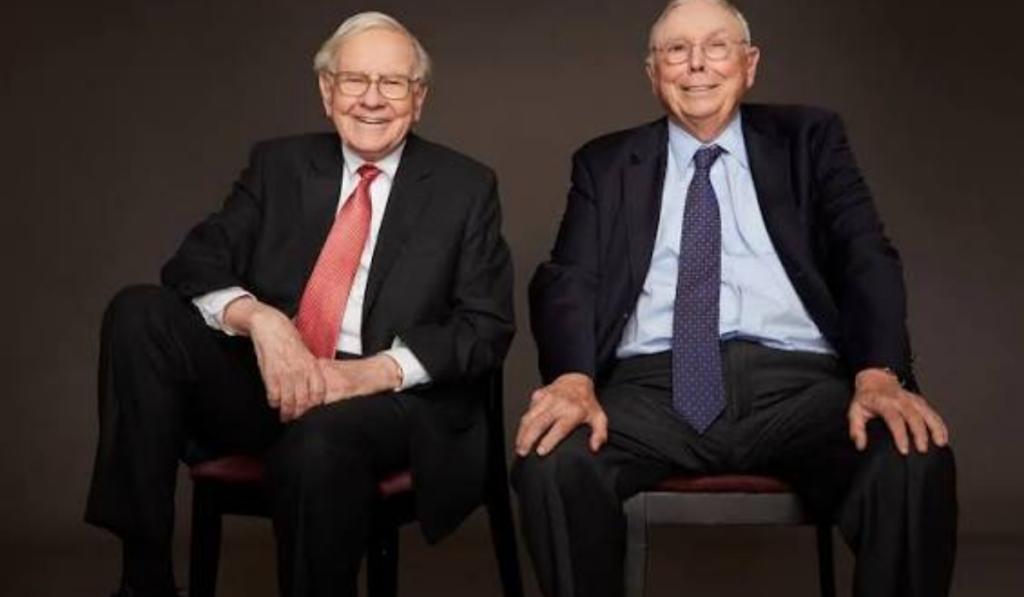
Establishing Buffett Partnership Ltd. in 1956 marked a major milestone in the professional career of Warren Buffett. Operating out of Omaha with capital pooled from family and close friends, he implemented a disciplined partnership structure designed to outperform broad market indexes over extended periods. His remarkable track record during this era attracted widespread attention within financial circles, as his partnerships consistently generated positive alpha regardless of broader economic conditions. Managing these private investment vehicles gave Warren Buffett the necessary operational freedom to execute larger, more impactful corporate acquisitions.
Acquiring Berkshire Hathaway
Taking control of a failing textile manufacturer named Berkshire Hathaway during the mid-1960s forever changed the trajectory of Warren Buffett. Although the traditional textile operations ultimately proved unviable, he cleverly repurposed the corporate shell into a dynamic holding vehicle to deploy capital into high-quality insurance companies and consumer brands. Over subsequent decades, this conglomerate expanded exponentially, absorbing iconic entities like GEICO, Dairy Queen, and Duracell. Corporate historians frequently analyze how brilliantly Warren Buffett transformed Berkshire Hathaway into an unparalleled engine of compounding economic value.
The Oracle Of Omaha Moniker
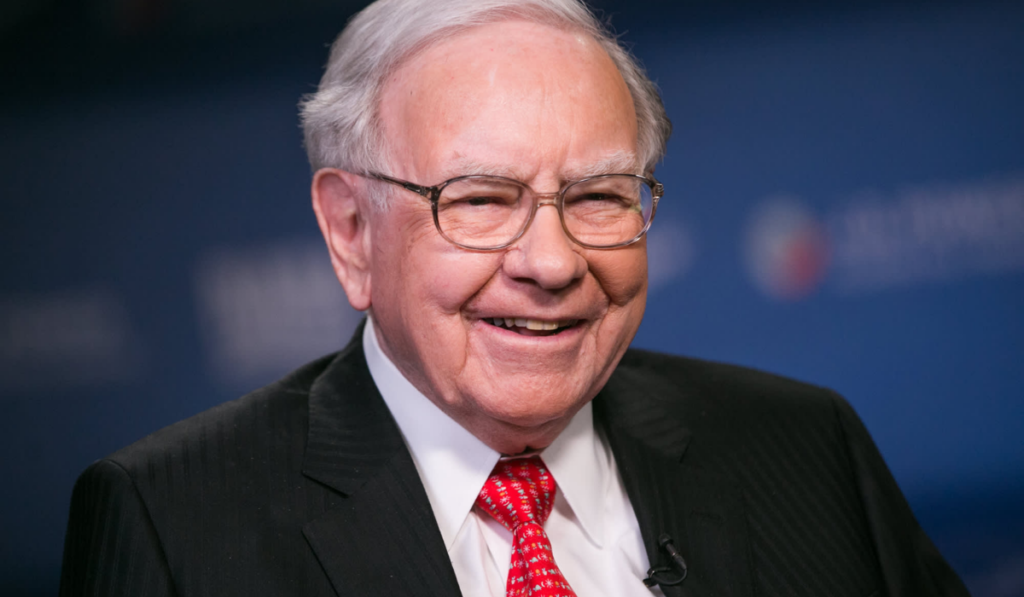
Global media outlets and financial journalists frequently refer to Warren Buffett as the Oracle of Omaha due to his remarkable investment wisdom. Despite controlling billions of dollars in assets, he famously continued residing in the same modest Nebraska home purchased decades earlier for a relatively small sum. His down-to-earth demeanor, sharp wit, and clear communication style contrasted sharply with the extravagant lifestyles typical of high-finance executives. Countless admirers make annual pilgrimages to Nebraska just to attend shareholder gatherings where Warren Buffett shares homespun philosophy.
The Legendary Partnership With Charlie Munger
Collaborating closely with his longtime vice-chairman and dear friend Charlie Munger elevated the investment acumen of Warren Buffett to unprecedented heights. While Graham initially taught him to buy cheap mediocre companies with hidden assets, Munger strongly convinced him to purchase exceptional businesses at fair prices instead. This powerful shift in philosophy enabled Berkshire Hathaway to acquire world-class enterprises that compounded earnings effortlessly over decades. The intellectual synergy between these two titans remains one of the greatest partnerships in corporate history, deeply influencing how Warren Buffett evaluated global markets.
Investment Philosophy And Economic Moats
Safeguarding corporate longevity depends heavily on identifying sustainable economic moats, a core tenet championed consistently by Warren Buffett. He consistently favored enterprises with strong brand loyalty, pricing power, and high barriers to entry that protect profit margins from aggressive competitors. By focusing exclusively on industries he fully understood—often referred to as staying within his circle of competence—Warren Buffett avoided catastrophic losses during major speculative bubbles like the dot-com crash. This unwavering intellectual honesty preserved the financial health of Warren Buffett across multiple turbulent market cycles.
Annual Shareholder Letters As Masterclasses
Publishing detailed, highly transparent annual letters to shareholders became a celebrated tradition for Warren Buffett spanning over half a century. These comprehensive missides offer masterclasses in corporate governance, accounting transparency, human psychology, and intelligent capital allocation. Investors, professors, and corporate leaders worldwide eagerly analyze every new edition for timeless insights into macroeconomic trends and business ethics. Through these widely read documents, Warren Buffett democratized complex financial knowledge for generations of everyday students.
Philanthropic Commitments And The Giving Pledge
Pledging to give away the vast majority of his immense fortune to philanthropic causes cemented the legacy of Warren Buffett as a compassionate humanist. Alongside close friend Bill Gates, he co-founded the Giving Pledge, encouraging the world’s wealthiest individuals to dedicate major portions of their wealth to charitable organizations. His massive contributions to global health, education, and poverty alleviation have transformed millions of lives across developing nations. True generosity defined the later chapters of life for Warren Buffett just as sharply as financial brilliance.
Navigating Major Market Crises
Demonstrating extraordinary calm during severe financial panics allowed Warren Buffett to act as a lender of last resort during national emergencies. When traditional credit markets froze during the 2008 global financial crisis, Berkshire Hathaway injected billions of dollars into troubled blue-chip institutions like Goldman Sachs and Bank of America. These strategic rescue deals not only secured massive financial returns for his shareholders but also helped stabilize the broader American economy. Global leaders frequently turned to Warren Buffett for guidance whenever systemic risk threatened international markets.
Evolution Of The Berkshire Portfolio
Adapting to a modern digital economy required careful evolution in how Warren Buffett approached technology stocks and modern corporate assets. Although he historically avoided technology companies due to a lack of predictability, Berkshire Hathaway later acquired massive stakes in giants like Apple, recognizing them as essential consumer consumer-staple ecosystems. This strategic shift demonstrated that even a seasoned traditionalist like Warren Buffett remained open to learning new business models when clear economic advantages presented themselves. Market observers watched closely as Warren Buffett modernized his asset allocation strategies.
Corporate Governance And Management Trust
Delegating operational authority to subsidiary managers while maintaining strict financial oversight became a hallmark management style for Warren Buffett. He famously allowed talented CEOs of acquired companies to run their businesses with minimal interference, provided they maintained high ethical standards and capital discipline. This decentralized corporate culture attracted top-tier entrepreneurs who preferred selling their family-owned businesses to Berkshire Hathaway rather than private equity rivals. Mutual trust and integrity formed the organizational glue championed by Warren Buffett.
Focus On Simplicity And Mental Clarity
Maintaining emotional composure and strict mental clarity enabled Warren Buffett to make rational decisions while others succumbed to panic or greed. He often emphasized that successful investing requires temperament far more than high intellectual quotient or complex mathematical formulas. By ignoring daily stock ticker noise and focusing entirely on the multi-year operating performance of underlying businesses, Warren Buffett avoided costly emotional mistakes. Simplicity and discipline remained the ultimate competitive edge for Warren Buffett throughout his storied career.
Cultivating The Next Generation Of Leaders
Securing the long-term future of Berkshire Hathaway involved carefully selecting and mentoring capable leadership successors to carry forward the corporate vision. Executives like Greg Abel and Ajit Jain were entrusted with managing massive insurance and operational portfolios under the watchful eye of Warren Buffett. Transitioning executive responsibilities ensured that the unique corporate culture and conservative risk management principles would endure for decades to come. Continuity planning remained a top priority during the twilight years of Warren Buffett.
Wisdom On Time Management And Priorities
Valuing time above all material possessions served as a guiding principle embedded deeply in the personal philosophy of Warren Buffett. He frequently reminded audiences that billionaires cannot buy back lost time, making it crucial to spend days working with people they deeply respect and admire. By ruthlessly protecting his schedule from unnecessary distractions, Warren Buffett preserved the mental bandwidth required for deep reading and strategic thinking. Wise counsel on lifestyle choices regularly accompanied the financial wisdom shared by Warren Buffett.
Global Economic Impact And Legacy
Shaping the modern landscape of global capitalism, the influence of Warren Buffett extends far beyond domestic American financial markets. Investors from Tokyo to London emulate his value-driven principles, long-term horizon, and uncompromising corporate integrity. Business schools across continents incorporate his shareholder letters and corporate decisions into core curriculum requirements. The enduring footprint left by Warren Buffett will continue guiding international commerce for centuries.
Overcoming Mistakes And Learning From Losses
Admitting past investment errors openly and candidly characterized the remarkable leadership accountability modeled by Warren Buffett. Whether purchasing control of the original Berkshire textile mills or misjudging certain airline stocks, he openly dissected failures in annual reports to educate shareholders. Treating mistakes as valuable tuition fees rather than sources of discouragement allowed Warren Buffett to sharpen his analytical framework continuously. Humility in the face of market uncertainty defined the professional evolution of Warren Buffett.
Cultural Icon Status And Public Influence
Transcending the boundaries of traditional business, Warren Buffett evolved into a cherished global cultural icon representing wisdom, thrift, and common sense. Appearances in television shows, documentaries, and public forums endeared him to millions of people who had no direct involvement in stock trading. His folksy wisdom, delivered with trademark humor and humility, resonated deeply across diverse demographics worldwide. Popular culture embraced Warren Buffett as the quintessential embodiment of the American dream.
Reflections On A Lifetime Of Achievement
Reviewing a century of extraordinary accomplishments reveals a life dedicated entirely to curiosity, integrity, and disciplined capital allocation. From delivering newspapers on dusty Nebraska streets to managing one of history’s largest corporate empires, Warren Buffett remained remarkably consistent in character. His profound contributions to philanthropy, business management, and value investing created an immortal legacy. Future generations will forever look back at Warren Buffett as a true titan of global finance.
FAQs
- What is the primary investment strategy of Warren Buffett?
- He practices value investing by purchasing companies with strong economic moats at fair prices.
- Which company serves as his primary holding vehicle?
- He built his wealth primarily through the multinational conglomerate Berkshire Hathaway.
- Where was Warren Buffett born and raised?
- He was born and raised in Omaha, Nebraska.
- What is his nickname in the financial media?
- Financial journalists frequently call him the Oracle of Omaha.
- How much of his wealth has he pledged to give away?
- He has pledged to donate the vast majority of his fortune to philanthropic causes.