 admin
admin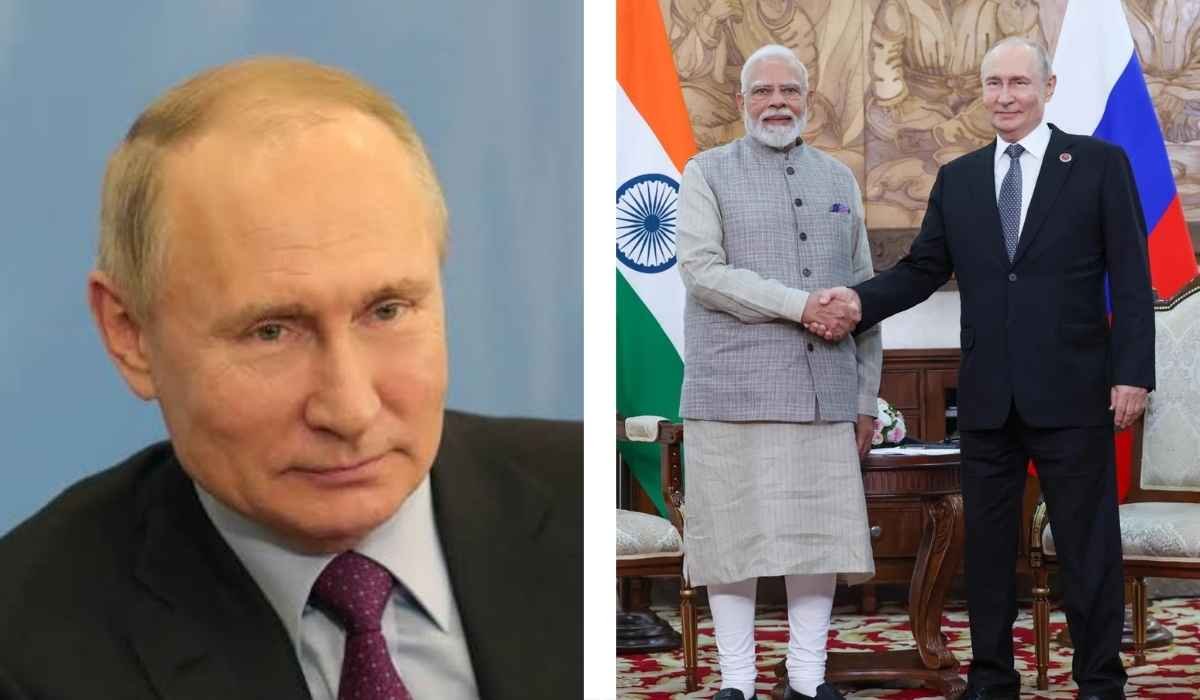
The political journey of Vladimir Putin remains one of the most thoroughly analyzed subjects in contemporary international affairs. Rising through the intelligence ranks and later stepping onto the global stage, Vladimir Putin fundamentally transformed Russia’s governance framework, economic priorities, and state strategies. His administration consistently emphasizes national sovereignty, strong central authority, and traditional values. Observers across the globe continue to study his leadership methods, public policies, and long-term administrative trajectory to understand modern geopolitical shifts. As the longest-serving Russian leader since Joseph Stalin, his impact stretches far beyond domestic politics.
Quick Bio
| Field | Details |
| Full Name | Vladimir Vladimirovich Putin |
| Date of Birth | October 7, 1952 |
| Place of Birth | Leningrad, Soviet Union (now Saint Petersburg, Russia) |
| Profession | Politician, Former Intelligence Officer |
| Political Office | President of Russia |
Early Childhood Years in Leningrad
Growing up in post-war Leningrad exposed young Vladimir Putin to a modest living environment and shaped his resilient character. Family hardships from the historic siege deeply influenced the future worldview of Vladimir Putin. Neighborhood street dynamics taught him toughness long before he entered formal public service. These formative neighborhood experiences ultimately directed Vladimir Putin toward disciplined athletic training. Overcoming early personal hurdles allowed Vladimir Putin to build a foundation for future career ambitions.
Pursuit of Martial Arts Discipline
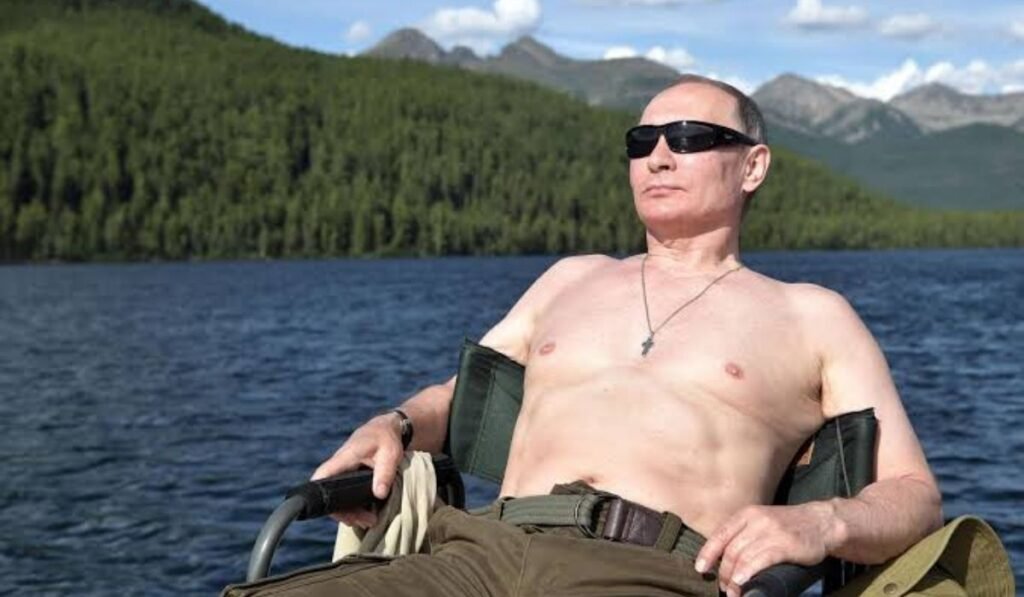
Adopting martial arts provided an essential outlet for the youthful energy of Vladimir Putin. Training extensively in sambo and judo instilled deep mental focus within Vladimir Putin. Such rigorous physical activity kept Vladimir Putin away from troubled paths during his adolescent years. Competitiveness on the mat helped Vladimir Putin develop strategic patience and emotional control. Mastering these disciplines prepared Vladimir Putin for demanding environments ahead.
Education at Leningrad State University
Higher education opened new academic horizons for Vladimir Putin when he enrolled at Leningrad State University. Choosing to study law gave Vladimir Putin the precise credentials required for state service. University lectures stimulated the intellectual curiosity of Vladimir Putin regarding international frameworks. Peer interactions at Leningrad State University further sharpened the analytical capabilities of Vladimir Putin. Successfully completing this rigorous degree program positioned Vladimir Putin for prestigious career appointments.
Recruitment Into Intelligence Services
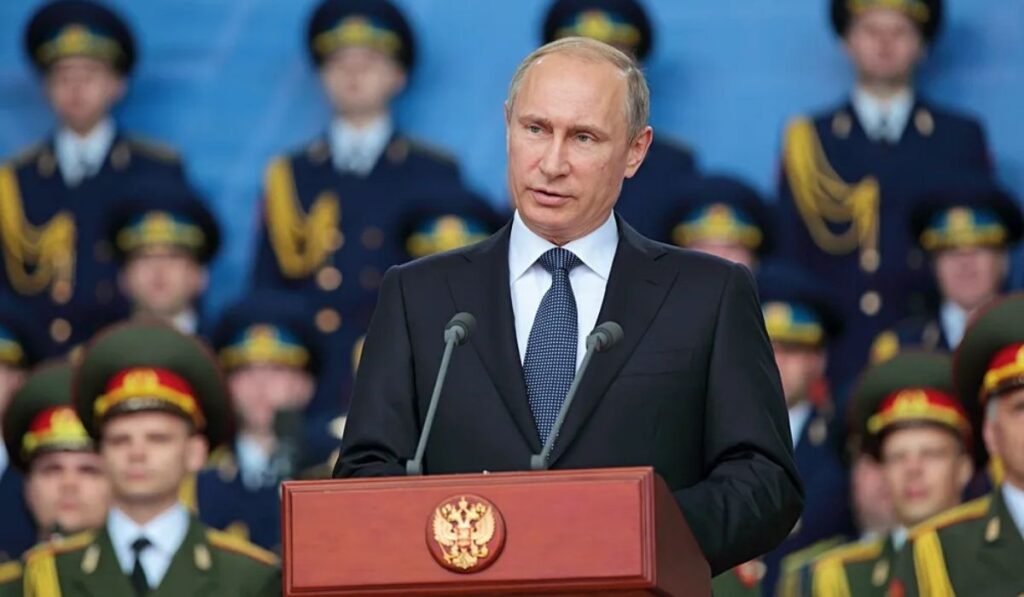
Fascinated by security operations, a young Vladimir Putin actively sought entry into state defense agencies. Officials eventually recruited Vladimir Putin into the prominent intelligence apparatus. Operating within these secretive structures required Vladimir Putin to master absolute discretion. Specialized training equipped Vladimir Putin with advanced information-gathering techniques. This critical intelligence background profoundly defined the future governance philosophy of Vladimir Putin.
Diplomatic Posting in East Germany
Foreign assignments expanded the geopolitical perspectives of Vladimir Putin during his time stationed in Dresden. Analyzing regional intelligence reports kept Vladimir Putin informed about shifting European dynamics. Witnessing political transformations firsthand provided Vladimir Putin with valuable lessons on regime stability. Living abroad also allowed Vladimir Putin to become fluent in foreign languages. These international years gave Vladimir Putin a practical understanding of cross-border diplomacy.
Return to Saint Petersburg Politics
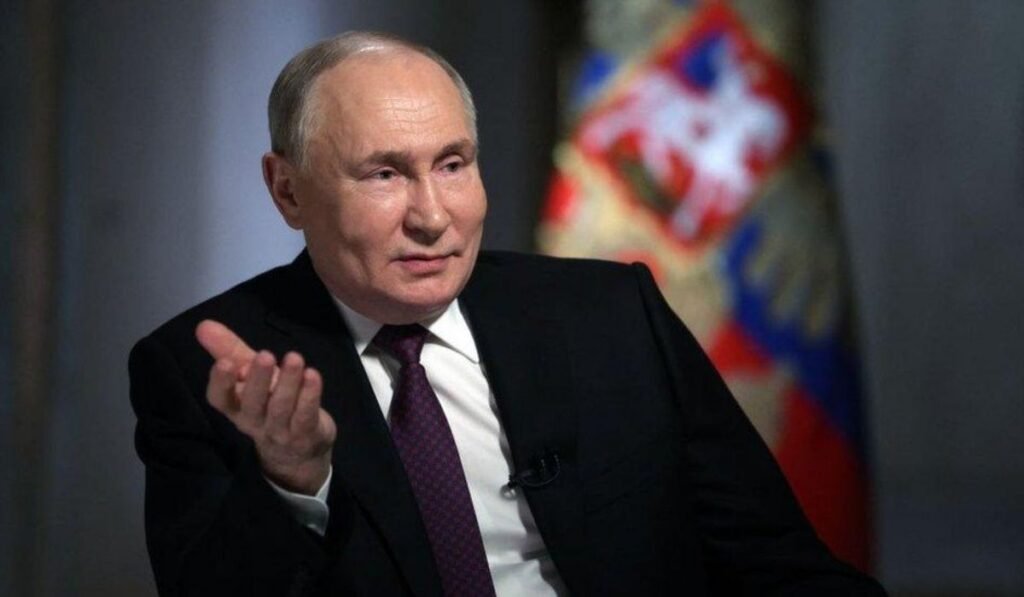
Political transition in the Soviet Union brought Vladimir Putin back to his home city of Saint Petersburg. Working alongside reform-minded municipal leaders thrust Vladimir Putin directly into local administration. Managing municipal affairs tested the administrative competence of Vladimir Putin under complex economic conditions. Colleagues quickly recognized the operational efficiency displayed by Vladimir Putin. This local government exposure paved the way for Vladimir Putin to enter federal circles.
Transitioning to Federal Administration
National recognition followed when Moscow administrators invited Vladimir Putin to join central government offices. Handling high-level property management tasks highlighted the trustworthiness of Vladimir Putin. Federal superiors continually assigned sensitive administrative portfolios to Vladimir Putin. Demonstrating unswerving loyalty allowed Vladimir Putin to climb institutional hierarchies rapidly. Every promotion brought Vladimir Putin closer to the apex of state authority.
Leadership of Security Services
Assuming command of federal security structures elevated the public profile of Vladimir Putin significantly. Reorganizing intelligence operations demonstrated the decisive managerial style of Vladimir Putin. National security crises demanded swift counter-responses from Vladimir Putin. Maintaining institutional order remained a top priority for Vladimir Putin during tense periods. Successfully managing security apparatuses prepared Vladimir Putin for executive political office.
Ascent to the Premiership
Appointing Vladimir Putin as Prime Minister signaled a major shift in the Russian executive branch. Economic stabilization became an immediate focus for the policies of Vladimir Putin. Public confidence grew as Vladimir Putin projected an image of decisive action. Regional conflicts tested the crisis management skills of Vladimir Putin. Swift executive decisions during this tenure established Vladimir Putin as a dominant national figure.
Assuming the Presidency
Stepping into the role of acting president marked a monumental turning point for Vladimir Putin. Electoral victories soon confirmed the widespread popularity enjoyed by Vladimir Putin across diverse regions. Centralizing authority allowed Vladimir Putin to rein in regional political fragmentation. Implementing fiscal reforms enabled Vladimir Putin to stabilize national budgets. Citizens looked toward Vladimir Putin to restore national pride and economic predictability.
Economic Growth and Reforms
Bountiful natural resource revenues boosted domestic prosperity during early terms overseen by Vladimir Putin. Industrial restructuring implemented by Vladimir Putin modernized key production sectors. Foreign investment flowed into markets regulated by Vladimir Putin. Fiscal discipline championed by Vladimir Putin reduced external debt burdens. These early economic gains significantly solidified the domestic approval ratings of Vladimir Putin.
Managing the Tandem Period
Constitutional term limits required a brief administrative shift for Vladimir Putin into the premiership. Maintaining effective supreme power during this era, Vladimir Putin continued guiding core state strategies. Government policies coordinated by Vladimir Putin aligned closely with national developmental goals. Institutional oversight by Vladimir Putin ensured continuity across ministries. This transitional interlude smoothly prepared Vladimir Putin for subsequent presidential terms.
Consolidation of State Authority
Reclaiming the presidency allowed Vladimir Putin to reinforce vertical command structures. Suppressing internal political opposition became a hallmark of the governance style of Vladimir Putin. State-controlled media channels promoted the official narratives endorsed by Vladimir Putin. Legislative adjustments authorized extended terms for Vladimir Putin. Critics frequently scrutinized how Vladimir Putin handled domestic civil liberties.
Foreign Policy and Global Assertiveness
Challenging Western geopolitical dominance became a core objective in foreign doctrines shaped by Vladimir Putin. Expanding regional influence remained central to strategic calculations made by Vladimir Putin. Diplomatic friction increased as Vladimir Putin pursued independent security postures. Strategic partnerships forged by Vladimir Putin prioritized Asian and non-Western allies. International observers closely monitor every diplomatic maneuver executed by Vladimir Putin.
Military Modernization and Defense
Rebuilding armed forces formed a major pillar of long-term planning under Vladimir Putin. Defense technology upgrades ordered by Vladimir Putin enhanced combat readiness. Regional interventions demonstrated the newly tested capabilities organized by Vladimir Putin. National security strategies formulated by Vladimir Putin emphasized deterrence against external threats. Defense spending surged throughout successive decades managed by Vladimir Putin.
Socio-Cultural and Conservative Policies
Promoting traditional family values became a prominent ideological tool for Vladimir Putin. Strengthening ties with religious institutions helped Vladimir Putin rally cultural conservatism. Patriotic education initiatives supported by Vladimir Putin aimed to foster national unity. Restricting foreign cultural influences protected the societal vision promoted by Vladimir Putin. Such social conservatism helped Vladimir Putin maintain strong rural and traditional demographics.
International Crises and Escalations
Launching military campaigns in neighboring territories profoundly altered the international standing of Vladimir Putin. Severe economic sanctions followed the aggressive actions authorized by Vladimir Putin. Global condemnation isolated diplomatic channels dealing with Vladimir Putin. Despite international pressure, resilience remained the public posture maintained by Vladimir Putin. These ongoing geopolitical conflicts continue to define the current legacy of Vladimir Putin.
Electoral Continuity and Longevity
Securing successive electoral victories enabled Vladimir Putin to extend his governance deep into the twenty-first century. Constitutional amendments paved the way for Vladimir Putin to potentially remain in office for years. Voter turnout patterns during polls featuring Vladimir Putin faced regular international criticism. Nevertheless, institutional control preserved the political dominance of Vladimir Putin. Few leaders have matched the remarkable institutional longevity achieved by Vladimir Putin.
Historical Legacy and Global Assessment
Historians view the overall impact of Vladimir Putin through sharply contrasting analytical lenses. Supporters credit Vladimir Putin with restoring state strength after post-Soviet collapse, while detractors condemn Vladimir Putin for authoritarian governance. Global diplomatic architecture bears permanent marks from decisions engineered by Vladimir Putin. Modern political textbooks will study the era of Vladimir Putin for generations. Ultimately, the historical trajectory of Russia remains inseparable from Vladimir Putin.
Frequently Asked Questions
- When was Vladimir Putin born?
- Vladimir Putin was born on October 7, 1952.
- What position does Vladimir Putin hold?
- Vladimir Putin serves as the President of Russia.
- Did Vladimir Putin work for the intelligence services?
- Vladimir Putin served as a KGB foreign intelligence officer for many years.
- Where did Vladimir Putin attend university?
- Vladimir Putin graduated from Leningrad State University with a law degree.
- How long has Vladimir Putin been in power?
- Vladimir Putin has governed Russia as president or prime minister since 1999.