 admin
admin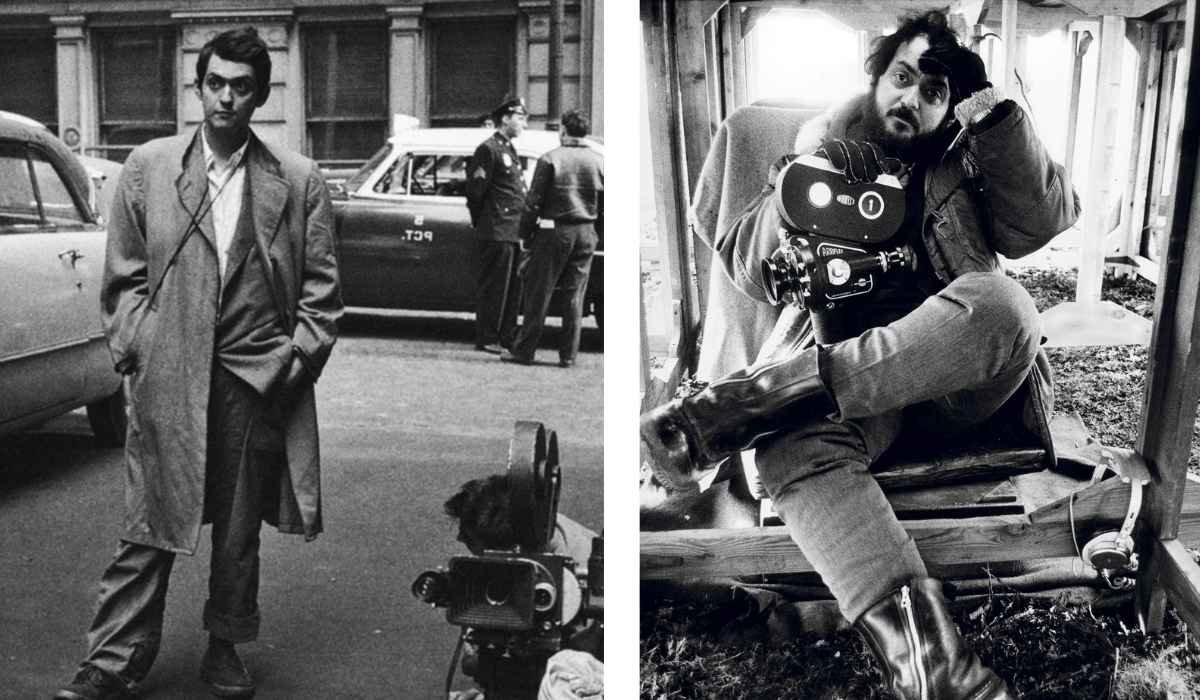
Exploring the extraordinary creative journey of Stanley Kubrick reveals a meticulous perfectionist who fundamentally redefined modern cinema through peerless visual composition, profound philosophical inquiry, unwavering artistic control, groundbreaking technical innovations, uncompromising thematic complexity, and an enduring status as a legendary auteur whose peerless filmography continues to inspire generations of filmmakers, dedicated scholars, enthusiastic critics, casual moviegoers, and passionate global audiences seeking cinematic excellence everywhere today.
Quick Bio
| Attribute | Detail |
| Birth Name | Stanley Kubrick |
| Birth Date | July 26, 1928 |
| Birth Place | New York City, New York, USA |
| Occupation | Filmmaker, Director, Screenwriter, Photographer |
| Years Active | 1951–1999 |
| Notable Works | 2001: A Space Odyssey, The Shining, A Clockwork Orange |
| Death Date | March 7, 1999 (aged 70) |
Early Life And Photographic Foundations In New York City
Growing up in the diverse boroughs of New York City, a young Stanley Kubrick cultivated an early fascination with chess, literature, and photography that would permanently shape his professional artistic perspective. While attending high school, his natural talent behind the camera lens allowed him to secure a prestigious staff photography position with Look magazine. This formative journalistic experience sharpened his observational skills, teaching him how to tell complex narrative stories through single, evocative frames long before he ever directed his first feature motion picture on a professional studio backlot.
Transition To Independent Cinema And Early Feature Shorts
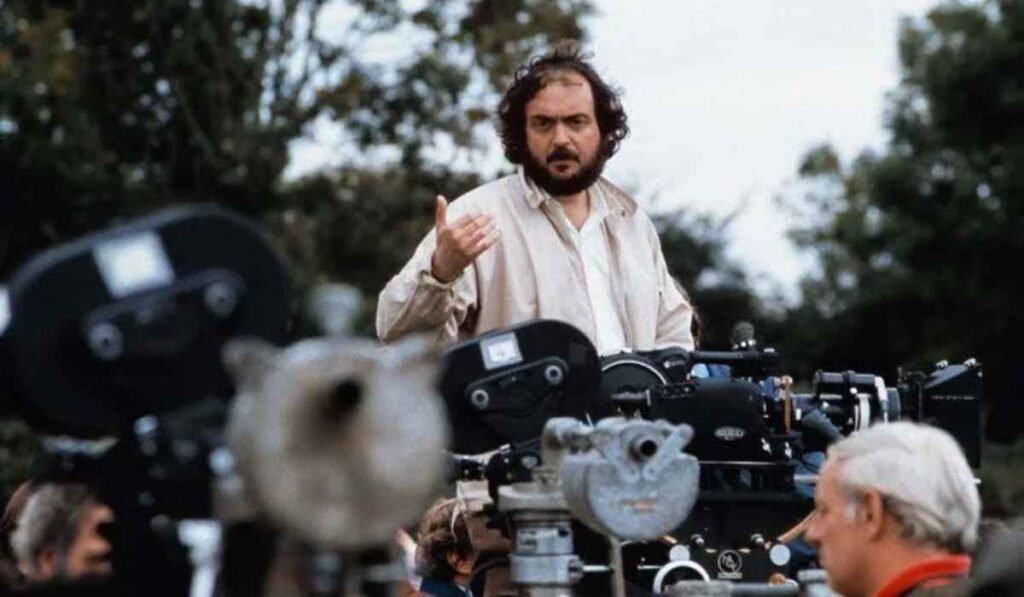
Transitioning rapidly from still photography into motion pictures, Stanley Kubrick directed several short documentary projects before gathering independent financing for his stark debut feature film. Working with remarkably constrained budgets and managing multiple crew responsibilities simultaneously, he learned the technical fundamentals of cinematography, editing, and lighting through direct trial and error. These initial independent productions proved crucial, serving as practical cinematic training grounds that prepared him for larger Hollywood studio collaborations and establishing his lifelong preference for maintaining absolute creative oversight over every technical department.
Developing A Signature Noir Style With The Killing
Releasing his gritty heist thriller in the mid-fifties, Stanley Kubrick demonstrated a sophisticated grasp of non-linear storytelling and hard-boiled genre conventions. The film showcased tightly wound suspense, cynical character motivations, and precise structural engineering that deeply impressed contemporary critics and future generations of master directors alike. By subverting traditional crime narrative tropes through cold, detached observation, he cemented his emerging reputation as a bold cinematic stylist capable of elevating standard genre material into high art through sheer technical discipline.
Cinematic Exploration Of Military Injustice In Paths Of Glory

Collaborating with legendary actor Kirk Douglas, Stanley Kubrick crafted a searing anti-war masterpiece that exposed the senseless brutality and bureaucratic corruption of World War I military command structures. The harrowing trench tracking shots and uncompromising moral clarity displayed throughout the production highlighted his growing mastery of visual movement and emotional resonance. Despite facing international censorship controversies due to its unflattering portrayal of military leadership, the project solidified his standing as a major directorial voice capable of tackling heavy, contentious historical subject matter.
Navigating Studio Epics During The Production Of Spartacus
Taking over directorial duties on a massive historical epic midway through production brought Stanley Kubrick face-to-face with the rigid constraints of major Hollywood studio politics. Although he successfully managed vast crowd scenes, complex battle choreography, and star-studded dramatic performances, the grueling experience convinced him to seek total independence from studio interference moving forward. This pivotal realization ultimately led him to relocate his permanent residence and professional operations to the English countryside, securing the creative freedom necessary to nurture his unique artistic vision without compromise.
Controversial Adaptation And Artistic Triumph With Lolita
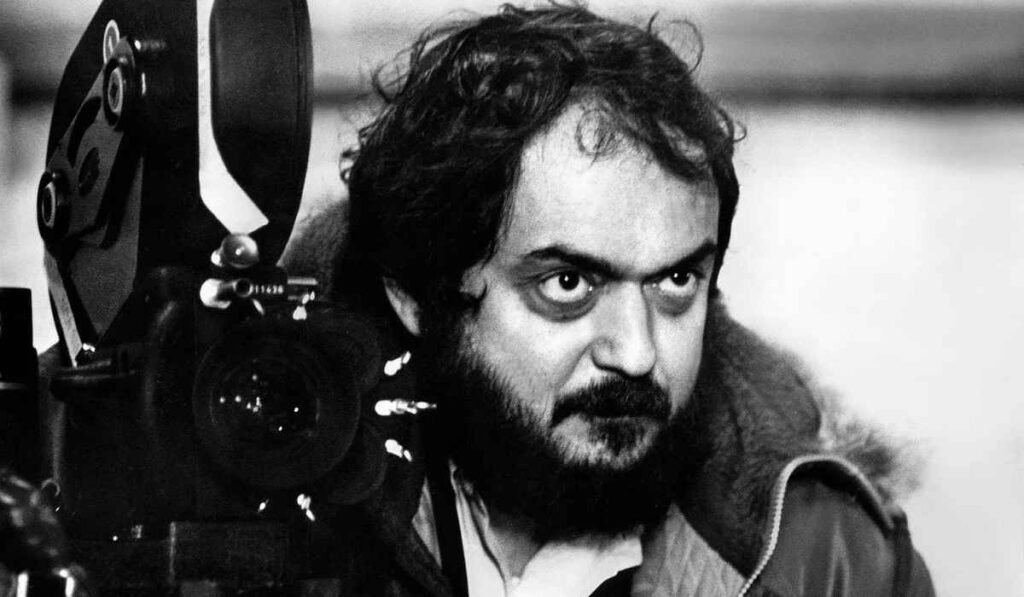
Relocating across the Atlantic allowed Stanley Kubrick to tackle taboo literary subject matter by adapting Vladimir Nabokov’s deeply controversial and complex novel for the silver screen. Balancing dark satire, psychological tension, and biting social commentary, he navigated strict censorship boards with razor-sharp ironic detachment and brilliant performances from his cast. The film demonstrated his fearless willingness to explore uncomfortable human behaviors and psychological impulses, further expanding his eclectic directorial range across diverse genres and controversial narrative landscapes.
Satirizing The Cold War Fear In Dr. Strangelove
Mastering black comedy, Stanley Kubrick delivered a brilliantly nihilistic satire concerning the terrifying prospect of accidental nuclear annihilation during the height of political tensions. Featuring multiple tour-de-force performances from Peter Sellers alongside a stellar supporting cast, the film exposed the absurdities of military deterrence logic through brilliant comedic timing. Its enduring cultural relevance and razor-sharp wit showcased his exceptional ability to merge timely sociopolitical commentary with brilliant entertainment, earning widespread critical acclaim and multiple prestigious award nominations globally.
Redefining Science Fiction With 2001 A Space Odyssey
Revolutionizing the science fiction genre entirely, Stanley Kubrick spent years developing a philosophical space epic that explored human evolution, technology, and extraterrestrial intelligence. Utilizing groundbreaking special optical effects, classical musical compositions, and minimal dialogue, he created an immersive transcendental experience that captivated audiences worldwide. Winning his only competitive Academy Award for visual effects, this monumental cinematic achievement permanently altered how science fiction films were conceptualized, produced, and received by mainstream intellectual critics and moviegoers everywhere.
Examining Societal Violence Through A Clockwork Orange
Adapting Anthony Burgess’s dystopian novella, Stanley Kubrick ignited intense international debate by examining free will, state control, and the roots of modern human aggression. The film’s striking visual design, innovative use of synthesized classical music, and disturbing portrayal of youth delinquency created a chilling cultural touchstone. Facing intense media scrutiny and public controversy in the United Kingdom, the director famously requested its withdrawal from British circulation, adding another layer of legendary mystique to his already formidable and fiercely guarded career profile.
Mastering Period Aesthetics In The Period Drama Barry Lyndon
Displaying astonishing aesthetic dedication, Stanley Kubrick meticulously recreated eighteenth-century Europe by utilizing specialized NASA-derived fast lenses to shoot entire sequences exclusively by natural candlelight. The resulting film functioned as a series of moving oil paintings, capturing the rise and fall of an opportunistic adventurer with detached, ironic historical perspective. While initial box office returns in America were modest, this visual masterpiece has since been widely reevaluated by film historians as one of the most exquisitely photographed period dramas ever created.
Pioneering Steadicam Technology In The Horror Masterpiece The Shining
Revolutionizing the horror genre, Stanley Kubrick adapted Stephen King’s psychological thriller by harnessing newly invented Steadicam technology to glide effortlessly through desolate hotel corridors. His notoriously demanding shooting schedules and psychological direction pushed his lead actors to deliver intense, unforgettable portrayals of isolation and creeping madness. Although initially polarizing horror traditionalists upon release, the film has steadily evolved into a revered cultural milestone, celebrated for its layered environmental dread, cryptic symbolism, and masterclass execution of atmospheric cinematic tension.
Confronting The Vietnam War In Full Metal Jacket
Returning to combat themes, Stanley Kubrick offered a brutal, two-part critique of military dehumanization and the psychological toll inflicted upon young American soldiers. The first half’s harrowing boot camp sequence featured raw, visceral dialogue and unforgettable character work that exposed the rigid mechanics of combat conditioning. Transitioning seamlessly into urban warfare during the Tet Offensive, the film maintained its chillingly detached perspective, proving once again his unique capacity to dissect complex geopolitical conflicts without resorting to cheap sentimental clichés or patriotic pandering.
Unraveling Complex Human Desires In Eyes Wide Shut
Directing his final cinematic statement, Stanley Kubrick spent decades developing a hypnotic psychosexual drama that probed the hidden complexities of marital fidelity, jealousy, and elite fantasy. Starring Tom Cruise and Nicole Kidman, the meticulously constructed New York streetscapes recreated on London soundstages showcased his relentless pursuit of environmental perfection. Completed shortly before his passing, this atmospheric nocturnal odyssey served as a fittingly mysterious, haunting conclusion to a legendary career defined by constant artistic evolution and uncompromising creative independence.
The Perfectionist Directing Methodology And Endless Takes
Renowned throughout the global film industry for his legendary obsession with detail, Stanley Kubrick routinely required dozens—sometimes hundreds—of repeated takes for individual scenes. This exhaustive methodology aimed to strip away actor self-consciousness, forcing genuine exhaustion and spontaneity to emerge naturally on camera. While this intensive approach tested the patience of studio executives and cast members alike, it consistently yielded peerless performances and immaculate technical precision that set an impossibly high standard for contemporary commercial and independent filmmaking worldwide.
Total Creative Control And The Expatriate Lifestyle In England
Opting out of the Hollywood studio system entirely, Stanley Kubrick managed his entire professional production empire from the comfort of his sprawling English manor home. By centralizing research, scriptwriting, editing, and worldwide distribution oversight under one roof, he retained final cut privilege on every project—a rare luxury for directors of any era. This reclusive expatriate lifestyle shielded him from trivial industry distractions, allowing him to concentrate fiercely on realizing his complex artistic visions with absolute financial and creative autonomy.
Unrealized Masterpieces And Legendary Lost Film Projects
Beyond his completed feature filmography, Stanley Kubrick left behind an extensive collection of meticulously researched, heavily documented unrealized projects that continue to fascinate film historians. His grand biographical epic about French emperor Napoleon Bonaparte was researched to an obsessive degree, featuring thousands of indexed location photographs and tactical notes. Similarly, his long-gestating science fiction exploration A.I. Artificial Intelligence eventually passed to Steven Spielberg after his death, highlighting how deeply his creative ambitions transcended the physical boundaries of his completed works.
Lasting Cultural Influence On Modern Auteurs And Visual Pop Culture
The profound aesthetic footprint left by Stanley Kubrick remains visible across contemporary visual media, influencing top-tier modern directors, music video creators, and commercial artists globally. Trademark compositional elements like one-point perspective framing, symmetrical wide shots, and ironic musical juxtaposition are frequently referenced across popular culture. Film schools dedicate entire semesters to analyzing his narrative structures, proving that his analytical approach to storytelling has become an indispensable foundational pillar of modern cinematic literacy.
Archival Preservation And Ongoing Global Academic Scholarship
Ensuring that future generations can appreciate his artistry, extensive international archives preserve Stanley Kubrick’s working papers, annotated scripts, custom lenses, and rare promotional materials in dedicated museum exhibitions. Academic scholars continually publish deep analytical texts examining the hidden philosophical, theological, and psychoanalytical layers embedded within his masterworks. This continuous wave of critical reevaluation ensures that his cinematic contributions remain vibrant, controversial, and endlessly讨论ed within academic and artistic communities worldwide.
The Eternal Legacy Of A Cinematic Visionary And Master Stylist
Concluding a peerless half-century career behind the camera lens, Stanley Kubrick permanently transformed how humanity views itself through the magical medium of projected light and shadow. His fearless exploration of human dark sides, technical innovations, and unwavering dedication to cinematic perfection established an immortal benchmark for artistic integrity. Long after his passing, his remarkable body of work continues to challenge, mesmerize, and inspire anyone who steps inside a darkened theater looking for profound intellectual and visual enlightenment.
Frequently Asked Questions
- How many feature films did Stanley Kubrick direct during his career?
- Stanley Kubrick directed a total of thirteen feature-length narrative films over his active professional career spanning nearly five decades.
- Did Stanley Kubrick ever win a competitive Academy Award for directing?
- He never won an Academy Award for Best Director or Best Picture, though he did win a competitive Oscar for special visual effects on 2001: A Space Odyssey.
- Why did Stanley Kubrick choose to live and work in England?
- He moved to England in the early 1960s to escape Hollywood studio interference, maintain complete creative control, and enjoy a quiet family lifestyle.
- What camera technology did Stanley Kubrick pioneer on The Shining?
- He was among the first major directors to extensively utilize newly developed Steadicam stabilization rigs to capture fluid, gliding tracking shots through tight spaces.
- Where can readers find more information about his filmography and historical background?
- Detailed historical data, production timelines, and comprehensive film analyses are available on the Stanley Kubrick page.