 admin
admin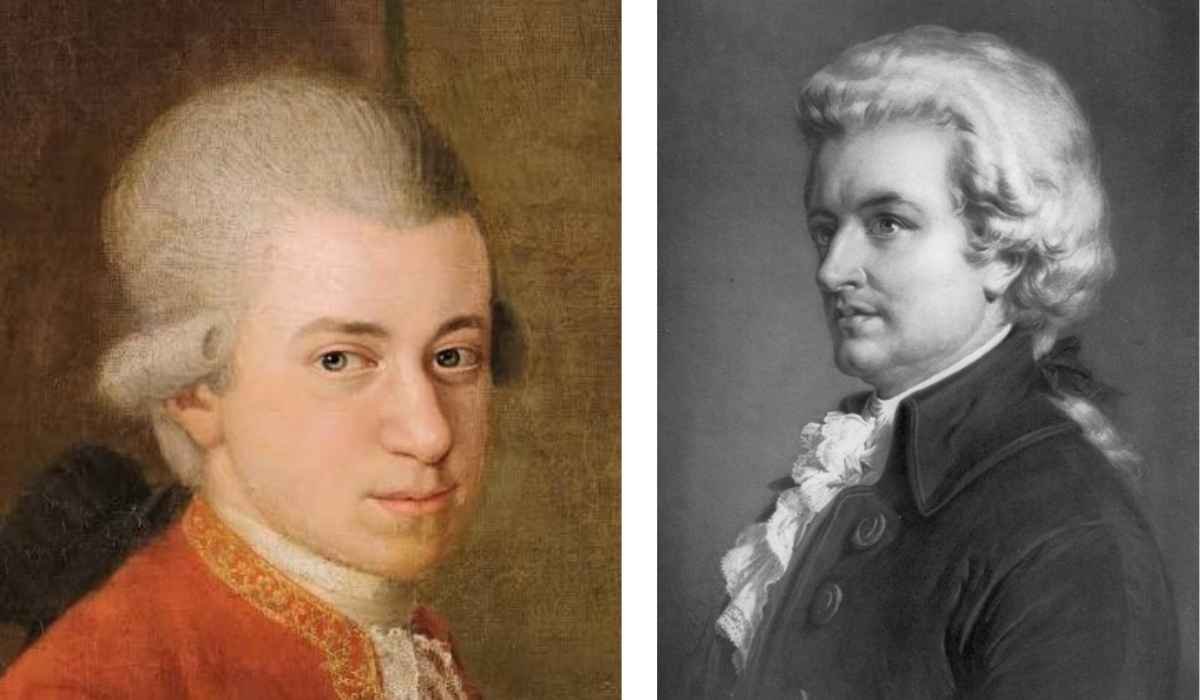
Music history shines brightly when exploring the magnificent life of Amadeus Mozart, whose brilliant compositions continue to captivate global audiences across generations. Born in Salzburg during the eighteenth century, this legendary prodigy transformed the landscape of Western classical music through unmatched creativity, technical precision, and emotional depth. From his early days performing before European royalty to his final masterpieces written in Vienna, his artistic journey remains an endless source of inspiration for musicians, scholars, and passionate listeners worldwide. Understanding his enduring impact requires examining the various milestones, stylistic innovations, and cultural milestones that defined his extraordinary professional career.
Quick Bio
| Attribute | Details |
|---|---|
| Full Name | Johannes Chrysostomus Wolfgangus Theophilus Mozart |
| Born | January 27, 1756, Salzburg, Austria |
| Died | December 5, 1791, Vienna, Austria (Aged 35) |
| Key Era | Classical Period |
| Notable Works | The Marriage of Figaro, Don Giovanni, Requiem |
Early Childhood and Prodigious Musical Upbringing in Salzburg
Growing up in a fiercely musical household profoundly shaped the trajectory of Amadeus Mozart from his earliest infancy. His father, Leopold Mozart, served as a prominent court musician and composer, recognizing exceptional talent early on. Young Wolfgang demonstrated an astonishing aptitude for keyboard instruments and violin before most children learned basic reading skills. Leopold organized intensive educational journeys across Europe, showcasing his children as miraculous child prodigies to royal courts. These formative travels exposed the young boy to diverse continental styles, enriching his developing ear and laying the groundwork for his future artistic greatness.
European Tours and Royal Performances Across Cultural Capitals
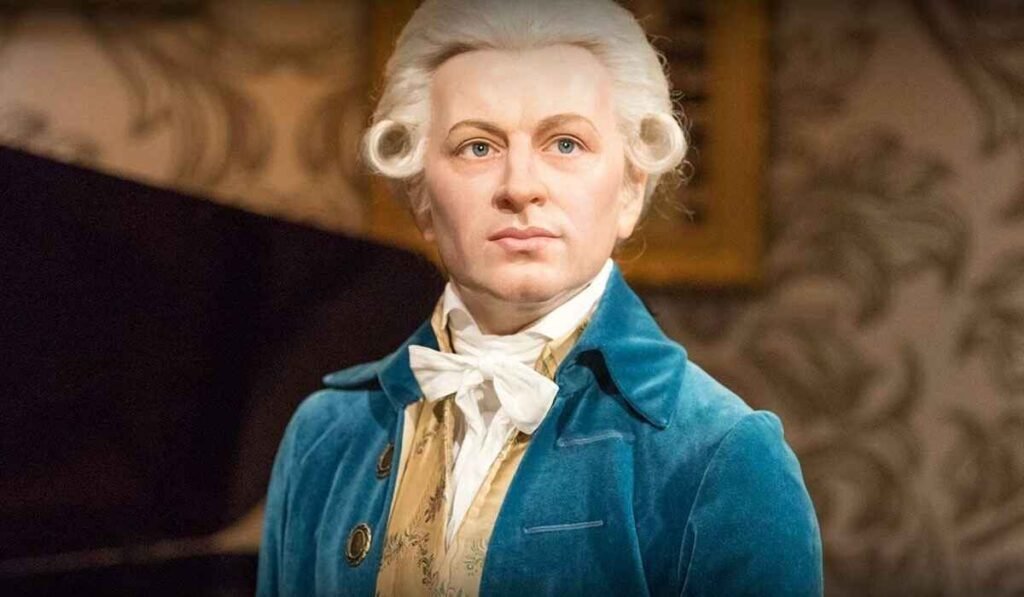
Extensive travels across major European cultural centers allowed Amadeus Mozart to absorb rich musical traditions from various regions. Performances in Munich, Vienna, Paris, London, and various Italian cities astonished aristocratic audiences who marveled at his improvisational skills. Meeting esteemed contemporary figures like Johann Christian Bach provided vital mentorship and aesthetic expansion during these crucial developmental years. Every performance added sophisticated layers to his growing repertoire, transforming youthful amusement into profound artistic comprehension. These transnational experiences cemented his reputation as a rising star within the elite circles of eighteenth-century European society.
Mastery of Diverse Musical Genres and Compositional Innovations
Versatility defined the artistic output of Amadeus Mozart, who excelled across virtually every major musical genre of his era. Whether crafting intricate symphonies, delicate chamber music, solemn religious masses, or grand theatrical operas, he demonstrated absolute technical mastery. His ability to blend structural clarity with deep emotional resonance elevated the standards of classical composition significantly. Music historians continue to study his scores for their ingenious orchestration, seamless counterpoint, and innovative harmonic shifts. Each completed piece reflected an ongoing quest for perfection that pushed contemporary boundaries further outward.
The Salzburg Court Years and Creative Frustrations
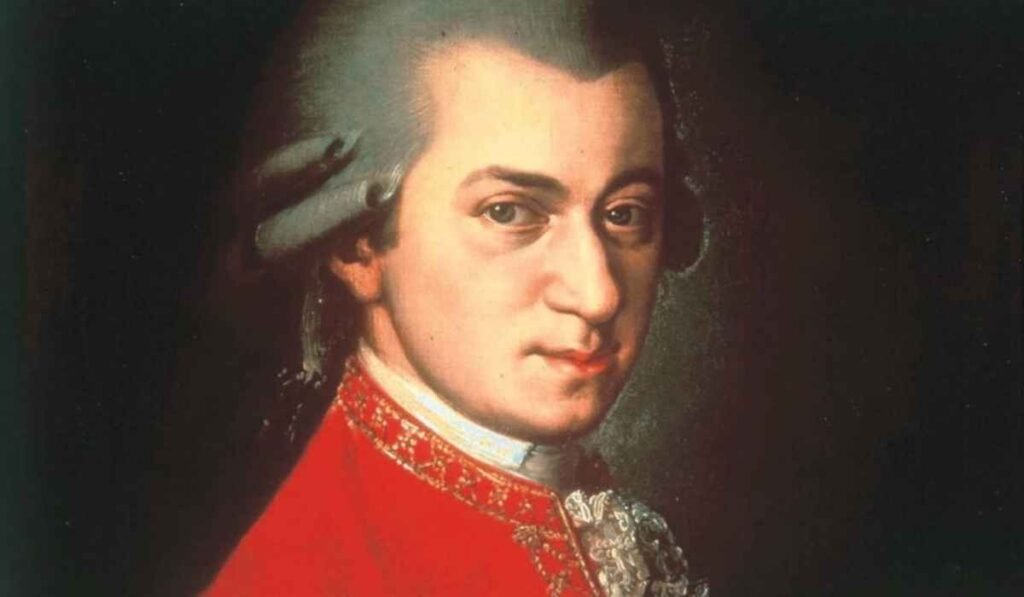
Returning to his hometown after extensive tours, Amadeus Mozart secured an official position within the court orchestra of the Archbishop of Salzburg. However, this professional chapter proved increasingly restrictive for a creator possessing such expansive vision and independent spirit. Conflicts regarding artistic freedom and professional respect strained his relationship with local employers, who viewed him merely as an ordinary servant. Despite these stifling limitations, he managed to compose numerous striking works during these years, though his restlessness grew stronger. The desire for greater autonomy ultimately compelled him to seek opportunities beyond provincial boundaries.
Relocation to Vienna and Pursuit of Independent Success
Seeking absolute artistic independence, Amadeus Mozart made the bold decision to leave Salzburg permanently and relocate to bustling Vienna. This vibrant capital offered thrilling prospects for freelance musicians, entrepreneurs, and ambitious opera composers seeking public acclaim. Initially, he enjoyed considerable popularity through subscription concerts, private teaching, and celebrated public performances playing his own piano concertos. Vienna provided the ideal ecosystem for his mature style to flourish, bringing him into contact with leading intellectuals and fellow artists like Joseph Haydn. This period marked the apex of his creative powers and public visibility.
Collaboration with Master Librettists and Operatic Masterpieces
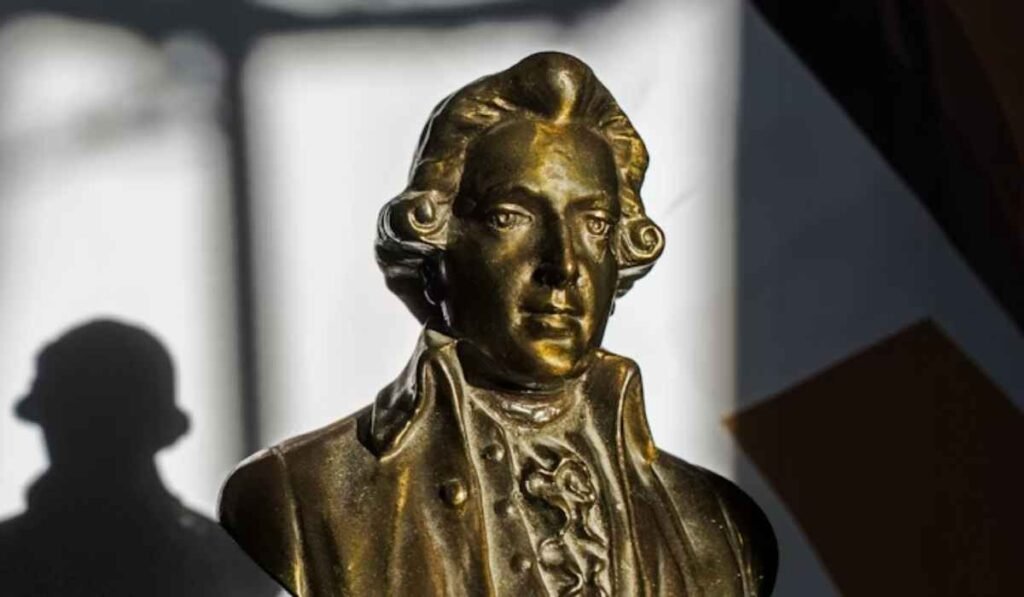
The dramatic genius of Amadeus Mozart found its ultimate expression through groundbreaking theatrical collaborations with visionary librettists like Lorenzo Da Ponte. Together, they revolutionized Italian comic opera by infusing complex psychological realism, social commentary, and unforgettable character arcs into every scene. Masterpieces such as The Marriage of Figaro, Don Giovanni, and Così fan tutte permanently transformed dramatic music. These enduring theatrical works continue to dominate opera house stages globally, celebrated for their brilliant vocal writing, sparkling ensemble numbers, and profound human empathy.
Financial Struggles and the Demands of Viennese Society
Despite widespread fame and initial prosperity, the financial situation of Amadeus Mozart frequently fluctuated due to lavish living and changing aristocratic tastes. Maintaining a high social standing in Vienna required substantial expenses that often outpaced his irregular earnings from concerts and commissions. Economic pressures mounted during his final decade, leading to frequent requests for financial assistance from loyal friends and patrons. Yet, these harsh worldly anxieties never compromised the exceptional quality, elegance, or imaginative richness of his musical output. He continued working tirelessly under pressure to satisfy demanding publishers and audiences.
Creation of Immortal Symphonic Masterpieces and Concertos
The final years of his life witnessed Amadeus Mozart producing some of the greatest symphonic masterpieces in Western music history. His last three symphonies—numbers 39, 40, and 41—represented a monumental leap forward in orchestral scale, emotional intensity, and structural unity. Simultaneously, his remarkable series of piano concertos redefined the relationship between soloist and orchestra through dynamic dialogue. These iconic compositions remain cornerstones of modern orchestral programming, endlessly studied for their structural perfection and melodic inventiveness. His orchestral writing captured the full spectrum of human emotion with astonishing clarity.
Sacred Music and the Creation of the Unfinished Requiem
Religious devotion and profound introspection characterized the final sacred projects undertaken by Amadeus Mozart before his untimely passing. Commissioned under mysterious circumstances, his monumental Requiem in D minor became one of the most poignant works in choral literature. Working frantically against failing health, he infused the score with extraordinary dramatic power, solemnity, and spiritual gravity. Although left incomplete at his death, it was brilliantly finished by his pupil Franz Xaver Süssmayr, preserving a deeply moving testament of faith. This sacred masterpiece remains an eternal symbol of human mortality and artistic transcendence.
The Tragic and Mysterious Circumstances Surrounding His Death
Sudden illness cut short the brilliant career of Amadeus Mozart on December 5, 1791, plunging the Viennese musical community into profound grief. Passing away at the young age of thirty-five, he left behind a grieving family and countless unfinished musical sketches. The precise medical cause of his sudden decline has generated centuries of intense academic research, medical debate, and historical speculation. Despite rumors of foul play that were quickly debunked, modern analyses point toward an acute inflammatory illness. His sudden departure shocked Europe, abruptly silencing one of history’s most extraordinary creative voices.
Legacy and Influence on Subsequent Generations of Composers
Generations of subsequent musicians viewed the immense catalogue of Amadeus Mozart as an unattainable pinnacle of compositional craftsmanship. Titans of the Romantic era, including Beethoven, Chopin, and Tchaikovsky, openly expressed profound reverence for his melodic grace and structural clarity. His music served as a foundational blueprint for the entire evolution of Western artistic expression, bridging Baroque polyphony with Romantic emotionalism. Academies and conservatories worldwide continue prioritizing his scores as essential pedagogical tools for developing young artists. His cultural footprint remains permanently etched into the global consciousness of art lovers everywhere.
Global Recognition and Modern Cultural Significance Today
Modern society celebrates Amadeus Mozart as a universal cultural icon whose melodies transcend linguistic, geographical, and temporal boundaries effortlessly. International festivals, dedicated museums, and academic institutions continually honor his historic contributions through performances, exhibitions, and scholarly research. Digital streaming platforms ensure his vast catalogue reaches millions of listeners daily, proving his relevance in the modern technological age. His timeless compositions are even utilized in educational studies exploring cognitive development and musical appreciation. The global reverence for his artistry remains as vibrant and active today as it was centuries ago.
Analysis of Chamber Music and Intimate Compositional Styles
Beyond grand symphonies and operas, Amadeus Mozart mastered the intimate genre of chamber music with astonishing sensitivity and technical brilliance. His string quartets, quintets, and violin sonatas showcased an exquisite balance of conversational texture among individual instruments. Dedicating significant attention to these smaller formats allowed him to explore complex harmonic ideas and subtle counterpoint in close collaboration with elite performers. These chamber works remain cherished favorites among performers for their intricate interplay, emotional nuance, and structural elegance. They reflect a deeply personal side of his creative genius.
The Pedagogical Impact of His Keyboard and Violin Sonatas
Countless students learn foundational musicianship through the timeless instructional pieces written by Amadeus Mozart for aspiring instrumentalists. His keyboard sonatas and variations combine accessible technical patterns with sophisticated musicality, making them indispensable teaching tools worldwide. Teachers appreciate how these compositions instill a sense of phrasing, articulation, and rhythmic precision in developing minds. Generations of virtuosos trace their early technical development back to the rigorous yet graceful challenges found within these pages. His educational legacy endures strongly in music schools across every continent.
Archival Preservation and Scholarly Research of His Manuscripts
Preserving the original handwritten manuscripts of Amadeus Mozart has been a monumental mission for international libraries, archives, and dedicated musicologists. Comprehensive catalogs, such as the Köchel catalog, meticulously organize his extensive works chronologically to aid academic study and performance practice. Researchers continuously examine ink types, paper watermarks, and marginalia to uncover new insights regarding his composition process. These dedicated preservation efforts ensure that future generations can study authentic source materials directly connected to his creative hand. Academic scholarship safeguards his monumental heritage for posterity.
Adaptation of His Works in Modern Media and Popular Culture
Popular culture continually embraces the timeless melodies of Amadeus Mozart across film soundtracks, television commercials, and contemporary musical adaptations. Cinematic masterpieces like the Academy Award-winning film Amadeus brought his dramatic life story to mainstream global audiences with unforgettable flair. Advertisers frequently leverage his universally recognizable themes to evoke sophistication, elegance, and emotional resonance in commercial projects. This cross-pollination between classical heritage and modern entertainment keeps his spirit alive in contemporary daily life. His music proves remarkably adaptable to changing cultural landscapes without losing its original integrity.
The Role of Patronage and Economic Realities in His Era
Navigating the complex socioeconomic structures of eighteenth-century Europe heavily influenced how Amadeus Mozart managed his professional career and commissions. Transitioning from traditional aristocratic court employment to an independent public-market model required immense entrepreneurial courage and relentless networking. He organized public subscription concerts, negotiated aggressively with music publishers, and accepted private teaching pupils to sustain his household. These economic realities shaped the timing and nature of many major compositions, highlighting the practical challenges hidden behind artistic brilliance. Understanding this socio-historical context illuminates the sheer determination required to maintain his creative independence.
Family Dynamics and Relationships That Shaped His Life
Close family relationships, particularly with his father Leopold and his devoted wife Constanze Weber, deeply influenced Amadeus Mozart throughout his personal life. While his father steered his early career with strict discipline, his marriage to Constanze in Vienna provided emotional partnership during turbulent times. Correspondence between family members offers historians intimate glimpses into his daily routines, financial worries, and artistic aspirations. These personal connections reveal a complex individual balancing domestic responsibilities with towering genius. His relationships formed the human foundation upon which his monumental artistic achievements were safely built.
The Eternal Brilliance of a Once-in-a-Millennium Artist
Reflecting upon the astonishing life and works of Amadeus Mozart reveals a rare convergence of divine talent, relentless hard work, and cultural transformation. His ability to distill the complex emotional spectrum of humanity into pure sound remains an unmatched achievement in cultural history. Every symphony, opera, and sonata he left behind serves as a glowing monument to human creativity at its absolute peak. As long as humanity values beauty, expression, and harmony, his brilliant spirit will continue inspiring listeners worldwide. He remains an eternal beacon of artistic perfection that will never be dimmed by time.
Frequently Asked Questions
- Q: When was Amadeus Mozart born?
- A: He was born on January 27, 1756.
- Q: Where was Amadeus Mozart born?
- A: He was born in Salzburg, Austria.
- Q: At what age did he die?
- A: He passed away at the age of thirty-five.
- Q: What are some of his most famous operas?
- A: Notable operas include The Marriage of Figaro and Don Giovanni.
- Q: Where can you read more about his life?
- A: You can read more on FRIENDLY.