 admin
admin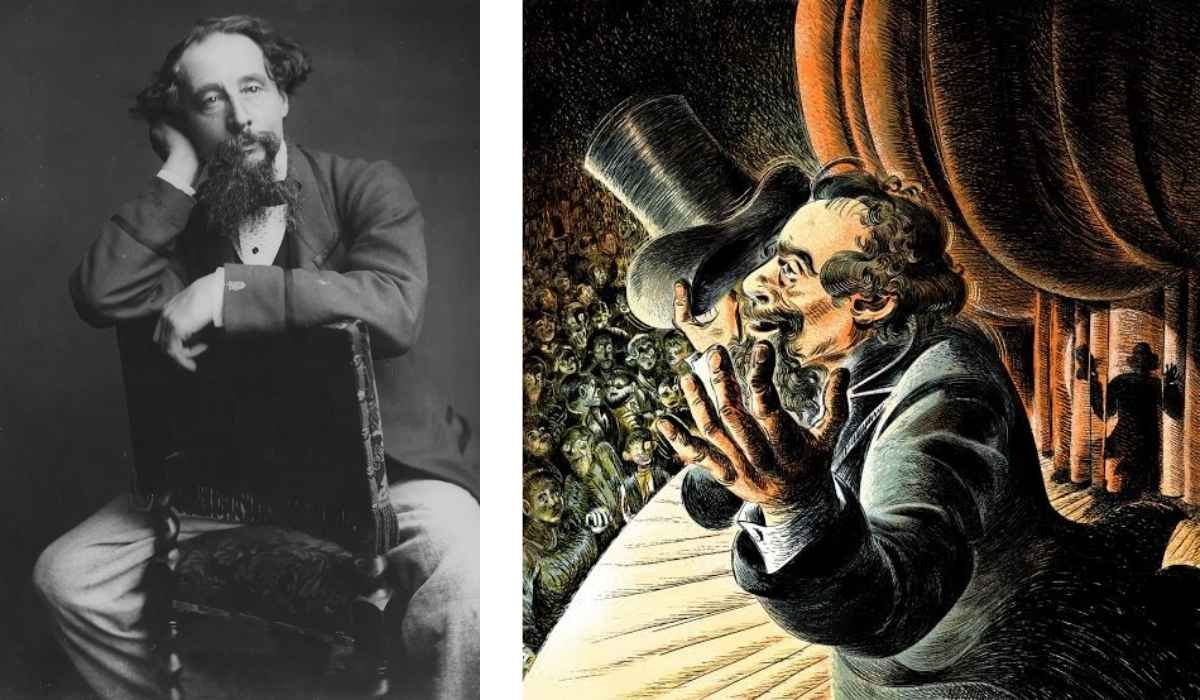
Charles Dickens remains one of the most celebrated and widely read authors in English literary history. Born in Portsmouth, England, in 1812, his humble beginnings and personal struggles with poverty deeply influenced his iconic storytelling. Through brilliant character development and biting social critique, Charles Dickens transformed Victorian literature forever. His timeless novels continue to resonate with modern audiences worldwide, cementing the enduring cultural legacy of Charles Dickens today, while inspiring countless generations of readers, scholars, and aspiring writers to examine the complex socioeconomic structures of nineteenth-century British society through vivid, unforgettable literary masterpieces.
Quick Bio of Charles Dickens
| Feature | Detail |
| Full Name | Charles John Huffam Dickens |
| Birth Date | February 7, 1812 |
| Birthplace | Portsmouth, Hampshire, England |
| Death Date | June 9, 1870 |
| Occupation | Novelist, Journalist, Social Commentator |
| Notable Works | Oliver Twist, Great Expectations, A Christmas Carol |
Early Life and Childhood Hardships
Charles Dickens experienced a turbulent childhood that profoundly shaped his creative perspective and future worldview. When his father was imprisoned for mounting financial debts, young Charles Dickens was forced to leave school prematurely. Working long hours in a harsh blacking factory exposed him directly to systemic poverty, grueling labor, and societal neglect. These formative trials ultimately provided endless inspiration for the memorable characters and bleak industrial settings found throughout Charles Dickens fiction, transforming personal trauma into universal artistic triumph that still resonates powerfully today.
Journey Into Journalism and Reporting
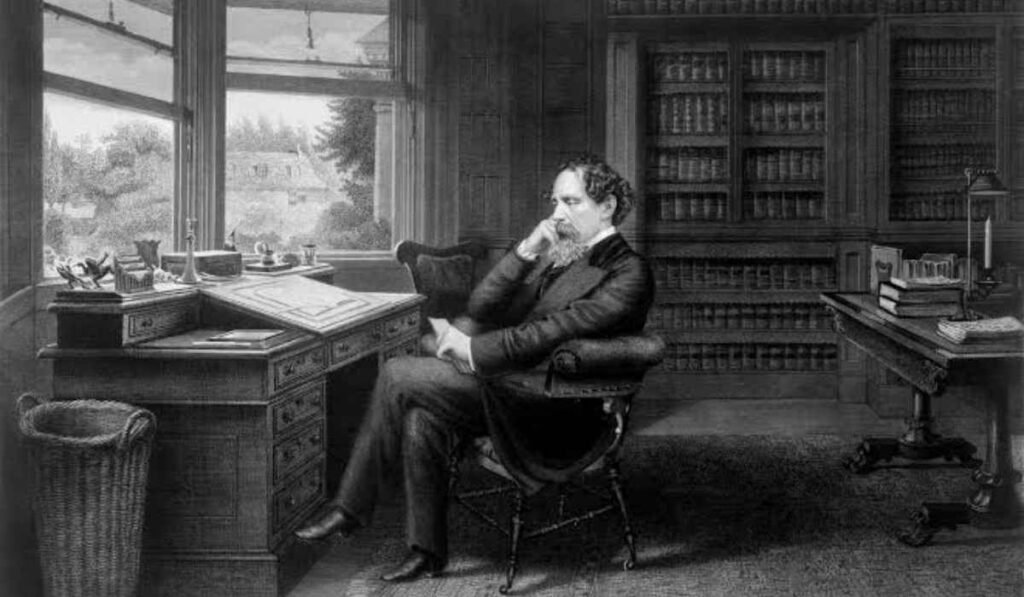
Before achieving worldwide fame as a novelist, Charles Dickens built a strong foundation in professional journalism and public reporting. Working initially as a law court reporter and parliamentary shorthand writer, Charles Dickens honed his keen observational skills and sharp wit. This fast-paced career allowed Charles Dickens to travel extensively across the country and study diverse social classes intimately. Such sharp real-world observations heavily enriched the intricate narrative style and realistic dialogue that defined Charles Dickens throughout his illustrious writing career.
The Rise of Sketches by Boz
The literary journey of Charles Dickens truly accelerated with the release of early short pieces published in various periodicals. Publishing under the clever pseudonym Boz, Charles Dickens captured everyday Victorian street life with remarkable precision and humor. These charming urban sketches gained rapid popularity across London newspapers, capturing the chaotic energy of the metropolis. Consequently, this early success opened vital doors for Charles Dickens to transition into long-form serial fiction production, forever changing the landscape of English publishing.
Publication of The Pickwick Papers
Literary history shifted dramatically when Charles Dickens released his very first serialized novel to an unsuspecting public. The Pickwick Papers transformed Charles Dickens into an overnight literary sensation across Britain and beyond. Readers eagerly awaited each monthly installment to follow eccentric club adventures and comedic misunderstandings. Ultimately, this unexpected cultural phenomenon established the extraordinary commercial viability and serialized format that propelled Charles Dickens toward legendary status in the global literary canon.
Exposing Social Injustice in Oliver Twist
With the publication of Oliver Twist, Charles Dickens turned his powerful pen toward systemic institutional cruelty and urban crime. By exposing dark workhouse conditions, Charles Dickens forced Victorian society to confront widespread child exploitation and institutional neglect. The harrowing adventures of the young orphan shocked contemporary readers and sparked vital conversations about welfare reform. Through this masterpiece, Charles Dickens solidified his dual role as an artistic genius and a passionate social reformer.
Exploring Ambition in Nicholas Nickleby
Continuing his critique of corrupt institutions, Charles Dickens targeted abusive Yorkshire boarding schools in Nicholas Nickleby. Charles Dickens masterfully balanced dark social commentary with rich comedic elements and heartwarming character redemption arcs. Readers fell deeply in love with the vibrant cast of theatrical and eccentric personalities inhabiting the pages. Therefore, Nicholas Nickleby further demonstrated the incredible versatility, emotional depth, and storytelling range possessed by Charles Dickens during his early years.
The Phenomenon of A Christmas Carol
Perhaps no single work cemented holiday traditions quite like the brilliant seasonal novella penned by Charles Dickens. Through the unforgettable redemption arc of Ebenezer Scrooge, Charles Dickens redefined the true cultural meaning of charity and empathy. The rapid commercial success of this timeless ghost story proved that Charles Dickens could move human emotions deeply across all social strata. Today, the immortal messages championed by Charles Dickens remain central to modern holiday celebrations and humanitarian reflections worldwide.
Historical Drama in Barnaby Rudge
Diverting into historical fiction, Charles Dickens explored complex political violence and religious tension during the Gordon Riots. In Barnaby Rudge, Charles Dickens meticulously researched archival documents to recreate terrifying mob mentalities and historical instability. While differing from his usual contemporary urban settings, this ambitious project showcased the incredible historical depth and meticulous research capabilities mastered by Charles Dickens as a serious novelist.
American Observations and Critique
An extensive tour across North America allowed Charles Dickens to observe foreign societal structures and democratic institutions firsthand. These travels prompted Charles Dickens to publish travelogues expressing mixed political impressions regarding slavery and industrial expansion. Although certain American critics reacted defensively to his candid remarks, the international platform of Charles Dickens expanded significantly. Global audiences remained utterly captivated by the sharp commentary delivered by Charles Dickens abroad.
Psychological Depth in David Copperfield
Widely regarded as his most deeply personal creation, David Copperfield held a special place in the heart of Charles Dickens. Drawing heavily from his own youth and secret struggles, Charles Dickens poured genuine emotional vulnerability into the narrative. Characters like the optimistic Wilkins Micawber became instantly immortalized in English folklore and literary history. Fans and scholars alike frequently view this milestone as the ultimate fictionalized autobiography of Charles Dickens.
Exposing Legal Corruption in Bleak House
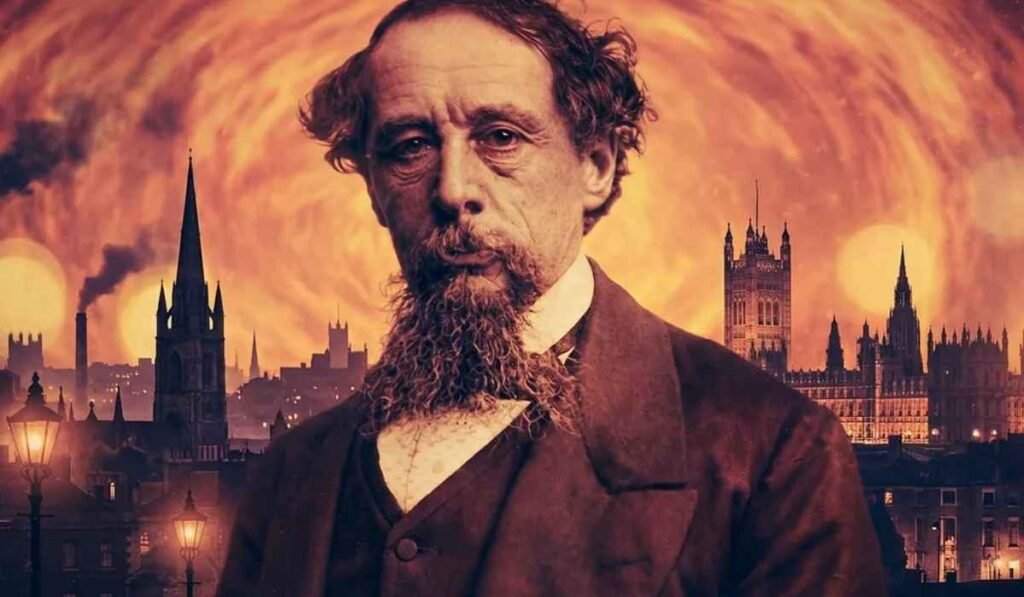
Systemic bureaucratic delays faced a devastating critique within the pages of Bleak House by Charles Dickens. Chancery courts and inherited litigation formed a dark backdrop for Charles Dickens to explore societal decay and institutional indifference. The atmospheric London fog opening this epic novel remains an absolute masterclass in mood setting and narrative tension. Through Bleak House, Charles Dickens proved his unmatched ability to orchestrate massive multi-layered plots with brilliant execution.
Industrial Critique in Hard Times
Focusing intensely on the brutal realities of industrialization, Charles Dickens wrote Hard Times as a warning against unchecked greed. Set within a fictional manufacturing city, Charles Dickens criticized utilitarian philosophies that completely ignored human imagination and emotional needs. Factory workers and union struggles received empathetic treatment from Charles Dickens throughout the narrative. Consequently, Hard Times remains a vital text studying the negative economic side effects challenged by Charles Dickens.
Examining Institutional Failure in Little Dorrit
Debtors’ prisons reappeared as a central theme when Charles Dickens published the sweeping novel Little Dorrit. Having experienced financial imprisonment firsthand through his father, Charles Dickens attacked bureaucratic stagnation with bitter satirical wit. The Marshalsea prison setting allowed Charles Dickens to dissect widespread class hypocrisy and societal corruption. Modern critics often praise Little Dorrit as one of the most mature philosophical statements crafted by Charles Dickens.
Revolution and Sacrifice in A Tale of Two Cities
Setting his narrative against the bloody backdrop of the French Revolution, Charles Dickens wrote A Tale of Two Cities. The famous sacrifice made by Sydney Carton remains an unforgettable literary climax designed by Charles Dickens. Exploring complex themes of resurrection, political violence, and personal redemption, this historic thriller expanded the readership of Charles Dickens far beyond traditional Victorian geographical boundaries.
Personal Growth and Class in Great Expectations
The complexities of social advancement, guilt, and moral integrity anchor Great Expectations by Charles Dickens. Following the intricate psychological journey of Pip, Charles Dickens investigated how sudden wealth can corrupt human relationships. Iconic characters like the tragic Miss Havisham solidified the artistic genius of Charles Dickens forever. Today, Great Expectations stands proudly as a mandatory cornerstone assigned within global literature curricula thanks to Charles Dickens.
Final Completed Work in Our Mutual Friend
Examining the toxic obsession with wealth and superficial status, Our Mutual Friend served as the last completed novel by Charles Dickens. River pollution and monetary greed were ruthlessly dissected by Charles Dickens in a dark, sprawling masterpiece of urban decay. Demonstrating absolutely no loss of creative power, this late text highlighted how deeply Charles Dickens cared about Victorian structural reform and human dignity.
Public Reading Tours and Performance
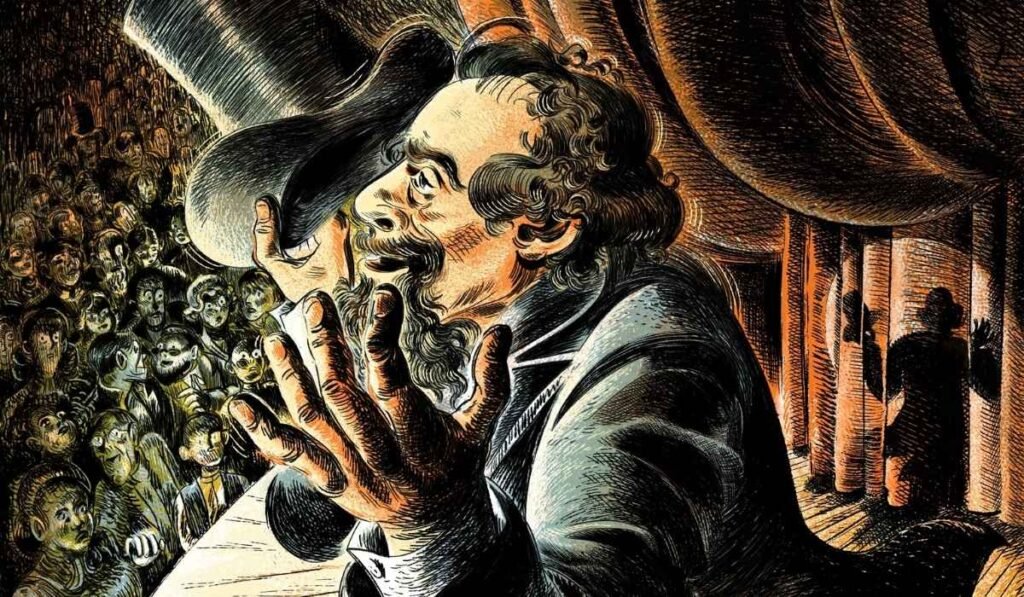
Beyond writing novels, Charles Dickens captivated live audiences through energetic public theatrical reading tours across nations. Performing abridged versions of his classic stories allowed Charles Dickens to interact directly with adoring global fans in person. These physically demanding stage performances ultimately strained the declining health of Charles Dickens during his final years. Nevertheless, the relentless theatrical passion of Charles Dickens remained entirely undiminished until his very final days.
The Unfinished Mystery of Edwin Drood
Death ultimately interrupted the final creative mystery project undertaken by Charles Dickens. The Mystery of Edwin Drood left readers endlessly guessing about its intended murder resolution and hidden plot twists. This sudden literary halt shocked the Victorian public, deeply mourning the unexpected loss of Charles Dickens. Even left unfinished, this last manuscript proved that the creative imagination of Charles Dickens burned brightly until the very end.
Legacy, Death, and Westminster Abbey
Following a fatal stroke in 1870, Charles Dickens passed away peacefully at Gad’s Hill Place. In recognition of his massive cultural impact, Charles Dickens was laid to rest in Poets’ Corner at Westminster Abbey. Global grief demonstrated just how profoundly Charles Dickens touched millions of lives through his written words. Memorial celebrations continue honoring the immortal literary contributions left behind by Charles Dickens across generations.
Enduring Modern Adaptations and Global Influence
Decades after his physical passing, the stories written by Charles Dickens continue inspiring endless cinematic, television, and theatrical adaptations. Modern writers frequently draw inspiration from the intricate plotting and social commentary pioneered by Charles Dickens. Global educational systems consistently celebrate the timeless humanitarian values championed by Charles Dickens across the world. Ultimately, the cultural footprint carved by Charles Dickens remains eternally vibrant and influential across modern civilization.
Frequently Asked Questions
- When was Charles Dickens born?
- Charles Dickens was born on February 7, 1812, in Portsmouth, England.
- What was the first novel written by Charles Dickens?
- The first novel published by Charles Dickens was the serialized classic The Pickwick Papers.
- How many novels did Charles Dickens complete during his life?
- Charles Dickens successfully wrote and published a total of fifteen complete novels.
- Where is Charles Dickens buried?
- Charles Dickens rests in Poets’ Corner at Westminster Abbey in London.
- Which classic holiday story was created by Charles Dickens?
- Charles Dickens famously wrote the enduring holiday novella A Christmas Carol in 1843.