 admin
admin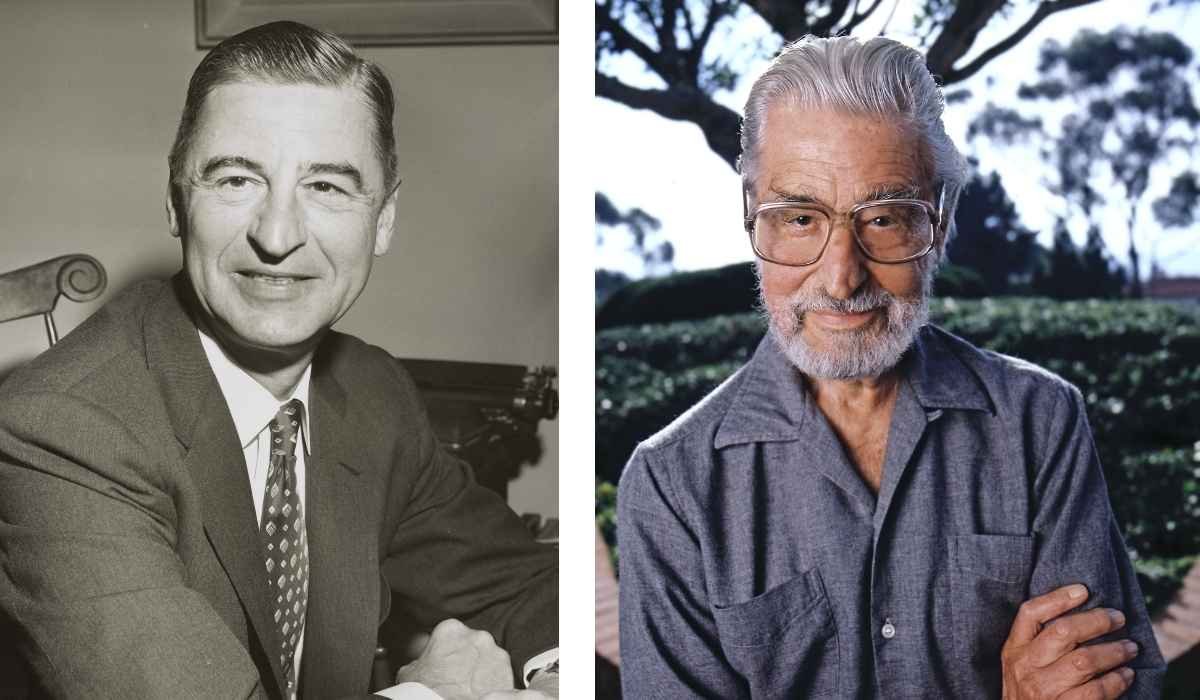
The world of children’s literature changed forever when Theodor Seuss Geisel began publishing his whimsical stories under the iconic name Dr. Seuss. Generations of young readers grew up exploring fantastical realms filled with imaginative creatures, catchy rhythms, and deeply meaningful life lessons. His unique approach to storytelling transformed boring school primers into an absolute joy of reading, cementing the legendary status of Dr. Seuss across the globe.
Quick Bio
| Attribute | Detail |
| Full Name | Theodor Seuss Geisel |
| Pen Name | Dr. Seuss |
| Born | March 2, 1904, Springfield, Massachusetts |
| Died | September 24, 1991, La Jolla, California |
| Education | Dartmouth College, Lincoln College, Oxford |
| Notable Works | The Cat in the Hat, Green Eggs and Ham, The Lorax |
Early Life and Childhood Background
The man behind the beloved pen name Dr. Seuss spent his early years growing up in Springfield, Massachusetts, where he enjoyed observing local sights. His mother encouraged a deep appreciation for reading, while trips to the local zoo provided early inspiration for his distinct drawing style. Even as a young boy, he demonstrated a vibrant imagination that would later define every single classic story created by Dr. Seuss. Growing up in a supportive household allowed his creative instincts to flourish without unnecessary artistic boundaries or creative restrictions. Countless childhood adventures shaped his distinct creative perspective.
College Years at Dartmouth

During his time studying at Dartmouth College, young Geisel actively managed the campus humor magazine as its editor-in-chief. A minor campus rule violation stripped him of his formal editorial position, but he cleverly continued contributing artwork using pseudonyms. This creative period on campus marked the very first historical milestones for the signature moniker used by Dr. Seuss. Undergraduate experiences deeply shaped his distinctive wit, preparing him for a long and illustrious career in professional publishing and illustration. Campus humor publications provided an essential outlet.
Studies at Oxford University
Following his undergraduate graduation, the aspiring artist traveled across the Atlantic Ocean to attend Oxford University in England. While intended academic paths focused on literature, a supportive peer wisely advised him to prioritize sketching and visual art instead. This crucial European pivot shaped the future artistic journey that fans worldwide associate with Dr. Seuss. Historic European architecture and whimsical street scenes provided boundless inspiration for the fanciful worlds he later built. Sketchbooks remained filled with bizarre creatures throughout his stay.
Early Career as Commercial Cartoonist
Upon returning to America, the creator struggled through numerous rejections before securing steady work as a magazine cartoonist. His clever advertisements and satirical illustrations gained widespread attention across major national publications during the 1920s and 1930s. These commercial foundations gave valuable professional experience to the developing style of Dr. Seuss. Corporate advertising commissions taught him how to combine punchy visual hooks with memorable textual punchlines effectively. Commercial success eventually followed years of persistent hustle.
The Struggle of His First Book
Publishing success did not come easily, as his very first children’s manuscript faced dozens of rejections from skeptical publishers. Traditional publishing executives felt the rhythmic verses and bizarre imagery were far too unconventional for young audiences at that time. Persistence finally paid off when a chance encounter brought the debut book by Dr. Seuss into print. Walking home discouraged after yet another rejection, a sudden stroke of luck changed literary history forever. Editors finally recognized true genius hidden inside the manuscript.
World War II Service
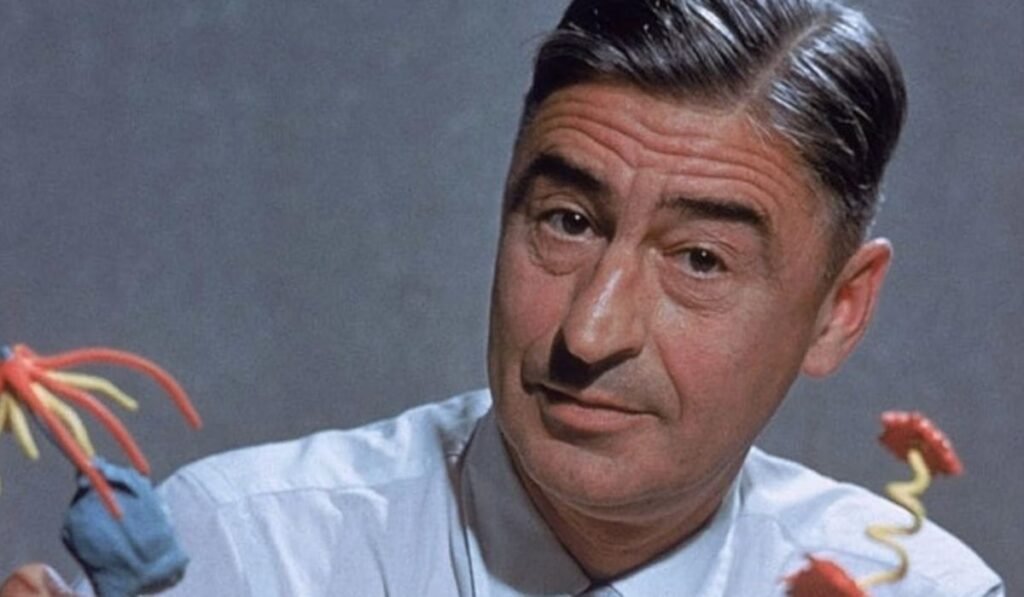
When global conflict erupted, the famous author temporarily paused his civilian career to contribute directly to the military war effort. He supervised animation and propaganda departments, producing educational films and training materials for American troops. This patriotic chapter added a unique layer of public service to the biography of Dr. Seuss. Collaborating with talented animators sharpened his narrative pacing and taught him how to communicate complex messages with absolute clarity. Military service profoundly influenced his later storytelling approach.
The Cat in the Hat Revolution
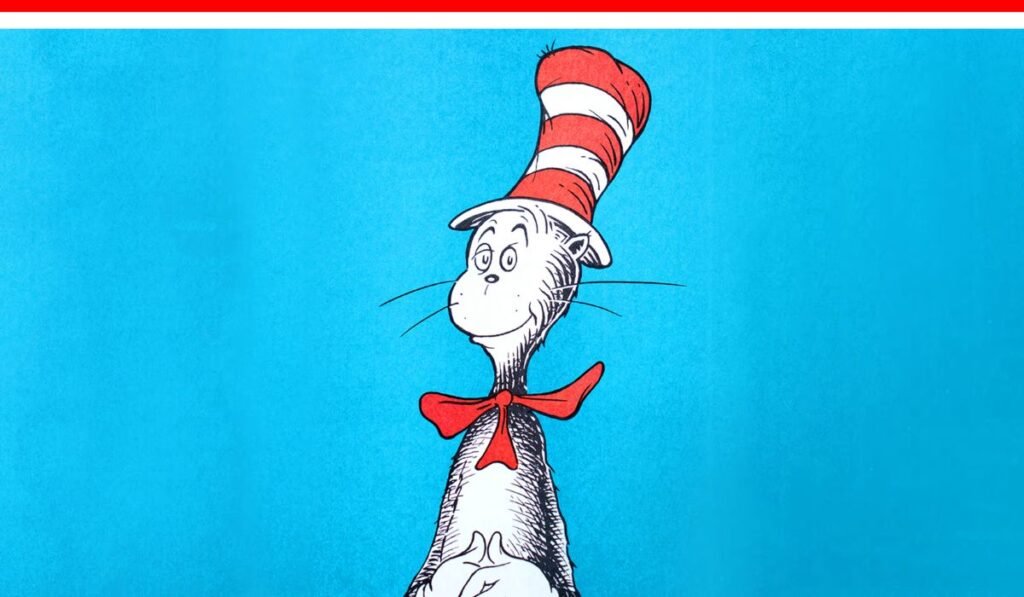
A mid-century publishing challenge asked authors to craft engaging stories using a restricted list of basic vocabulary words. The resulting tale about a mischievous feline visitor completely revolutionized early childhood education and literacy programs. This massive bestseller cemented the permanent cultural dominance of Dr. Seuss in schools everywhere. Teachers praised the clever vocabulary control, while children adored the anarchic fun brought by the striped-hat visitor. Educational publishing standards experienced an immediate and permanent transformation.
Green Eggs and Ham Success
Another legendary vocabulary challenge produced one of the most famous and repetitive taste-testing adventures in literary history. Through pure rhythmic genius, millions of children learned the importance of trying unfamiliar experiences without fear. Persistent optimism remains a core teaching pillar championed by Dr. Seuss. Millions of early readers found themselves easily chanting along with the repetitive culinary persistence found inside these colorful pages. Mealtime battles turned into joyful reading celebrations everywhere.
Tackling Environmental Themes
Beyond pure silliness, several later publications introduced complex ecological warnings regarding industrial pollution and natural habitat destruction. These cautionary tales encouraged young activists to speak up for voiceless elements of the natural world. Environmental stewardship became a powerful hallmark of late-career projects by Dr. Seuss. Industrial barons and factory smoke found themselves sharply criticized through lovable, furry woodland creatures speaking uncomfortable truths. Nature conservation found an unexpected champion in children’s books.
Political and Social Commentary
Satirical commentary frequently appeared within his illustrated books, addressing nuclear arms buildups and social inequalities head-on. He cleverly disguised heavy political messages inside approachable animal allegories that appealed to readers of all ages. Deep critical thinking was always subtly encouraged by Dr. Seuss. Historical tensions during global political shifts heavily influenced the underlying moral frameworks of his most beloved fictional universes. Social justice themes resonated deeply across generations of thoughtful readers.
Writing for Adult Readers
Although primarily celebrated for youth fiction, late-stage literature also targeted older audiences facing life transitions and medical hurdles. Graduation milestones remain famously celebrated with copies of his ultimate philosophical sendoff book. Wisdom for every life stage flowed naturally from Dr. Seuss. Adult readers discovered profound philosophical insights disguised beneath playful rhymes and eccentric drawings about life’s winding roads. Life lessons proved universally applicable regardless of reader age.
Awards and Accolades Received
Major industry honors, prestigious literary medals, and special honorary awards marked decades of unmatched creative output. Even Hollywood recognized his cinematic contributions through high-profile entertainment awards and special festival trophies. Excellence was consistently recognized throughout the lifetime of Dr. Seuss. Critical acclaim followed his imaginative books across generations, cementing his unmatched status within global publishing history. Prestigious accolades honored his extraordinary contributions to world literature.
Evolution of Artistic Style
Unusual creatures, impossible architecture, and eccentric machines dominated the visual landscape of his hand-drawn illustrations. His distinctive use of bright colors and sweeping lines made every page instantly recognizable across generations of fans. Visual creativity reached peak perfection under Dr. Seuss. As decades progressed, his pen strokes grew bolder and his color palettes became increasingly vibrant and expressive. Artistic innovation defined every single page of his work.
Literary Adaptations and Media
Countless television specials, theatrical feature films, and Broadway musical adaptations brought his printed characters to vibrant life. Animated versions of iconic holiday villains and fluffy forest guardians continue to entertain modern streaming audiences today. Multimedia expansion flourished long after Dr. Seuss. Hollywood studios transformed static page illustrations into moving cinematic masterpieces watched by millions of households annually. Entertainment legacy expanded far beyond traditional printed books.
Cultural Impact and Legacy
National literacy initiatives and yearly reading celebration days honor his monumental birthday across schools in America. Millions of copies sold worldwide confirm that his playful approach to language bridged cultural gaps effortlessly. Educational excellence remains forever tied to Dr. Seuss. Modern educators rely heavily on his rhythmic structures to teach fundamental reading skills to enthusiastic kindergarten students. Cultural influence remains deeply embedded in modern educational systems.
Modern Re-evaluations and Context
Contemporary discussions surrounding older publications occasionally highlight outdated imagery or cultural insensitivities present in early drafts. Publishing houses and estates continue managing catalog accessibility to align with modern inclusive standards. Historical evolution remains part of the ongoing conversation about Dr. Seuss. Scholarly analyses examine how cultural attitudes shifted during the twentieth century across his expansive published bibliography. Careful curation ensures responsible appreciation of historical literature.
The Tower Workplace Sanctuary
Creative magic happened inside an old converted observation tower located in La Jolla, California. Surrounded by sketchbooks and drafting tools, the master storyteller spent decades dreaming up new rhymes in seclusion. Quiet coastal inspiration fueled the imagination of Dr. Seuss. Pacific ocean views provided a tranquil backdrop for crafting some of the most celebrated children’s stories ever written. Solitude fostered unmatched creative productivity for decades.
Enduring Worldwide Popularity
Global translations ensure that children across different continents continue enjoying whimsical tales of mischief and adventure. The timeless appeal of humor and imagination keeps bookstore shelves stocked with classic titles everywhere. Universal love remains the ultimate tribute to Dr. Seuss. International book fairs consistently feature translated editions of his most famous characters for global audiences. Global readership continues expanding across new international markets daily.
Expanded Adventures in Rhyme
Further explorations into the vast bibliography reveal countless hidden gems crafted by Dr. Seuss. Each subsequent publication pushed the creative boundaries of narrative verse further than anyone previously thought possible. Endless imaginative joy continues expanding the legacy of Dr. Seuss. Dedicated collectors seek out rare first-edition printings to preserve the extraordinary evolution of his literary craftsmanship. Bibliophiles treasure every rare manuscript and drawing uncovered.
Timeless Wisdom for Tomorrow
Future generations will undoubtedly continue discovering valuable moral insights hidden beneath the colorful illustrations of Dr. Seuss. The enduring power of laughter, empathy, and curiosity guarantees lasting relevance for Dr. Seuss. Eternal cultural brilliance forever shines upon Dr. Seuss. Countless families will share these magical rhyming adventures aloud for many centuries yet to come. Inspiring poetry ensures immortal literary remembrance everywhere.
Frequently Asked Questions
- What was the real name of Dr. Seuss?
- The famous author’s real name was Theodor Seuss Geisel.
- When was Dr. Seuss born?
- He was born on March 2, 1904.
- How many books did Dr. Seuss write?
- He wrote and illustrated more than 60 books during his lifetime.
- What was his very first children’s book?
- His debut children’s book was And to Think That I Saw It on Mulberry Street.
- Did Dr. Seuss win any major awards?
- Yes, he received two Emmy Awards, an Academy Award, and a Pulitzer Prize Special Citation.