 admin
admin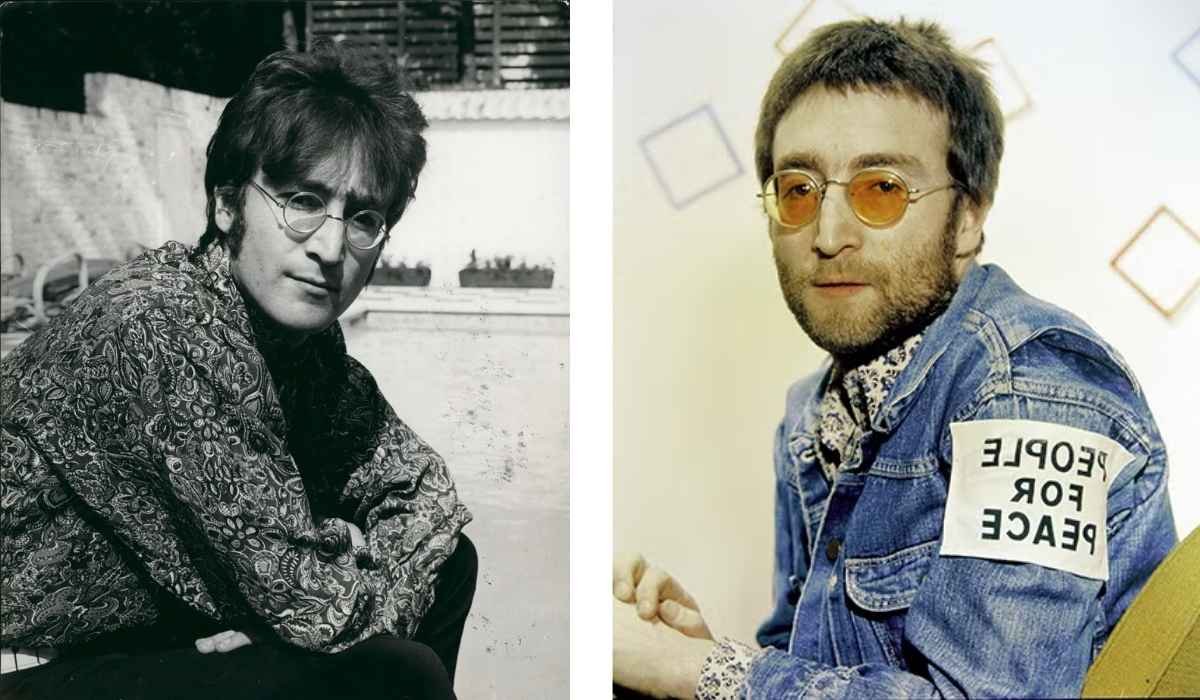
The extraordinary life of John Lennon continues to captivate millions of devoted music fans across the globe today. Born in Liverpool during the tumultuous years of the Second World War, he rose to international prominence as the co-founder, primary songwriter, and rhythm guitarist of the legendary rock band that fundamentally changed popular music history forever. His remarkable partnership with Paul McCartney yielded some of the most celebrated and commercially successful recorded works of the twentieth century. Beyond his incredible achievements in the recording studio, his later years were defined by passionate artistic expression, deep political activism, and an unyielding commitment to spreading messages of global peace and universal human harmony everywhere.
Quick Bio
| Attribute | Detail |
| Birth Name | John Winston Lennon |
| Date of Birth | October 9, 1940 |
| Place of Birth | Liverpool, England |
| Date of Death | December 8, 1980 |
| Spouses | Cynthia Powell (m. 1962), Yoko Ono (m. 1969) |
| Genres | Rock, Pop, Experimental |
Early Childhood Years in Liverpool
Growing up in industrial northern England presented unique personal challenges that profoundly shaped his creative perspective. Raised primarily by his strict aunt after experiencing a fragmented early domestic environment, John Lennon found immense solace in drawing, reading, and listening to emerging American rock and roll records. School days at Quarry Bank High School often showcased his rebellious personality and sharp wit, setting him apart from many of his peers. These formative years planted the seeds of artistic independence and nonconformity that would later define his public persona, musical style, and radical cultural contributions during the twentieth-century youth revolution.
The Formation of Early Skiffle Bands
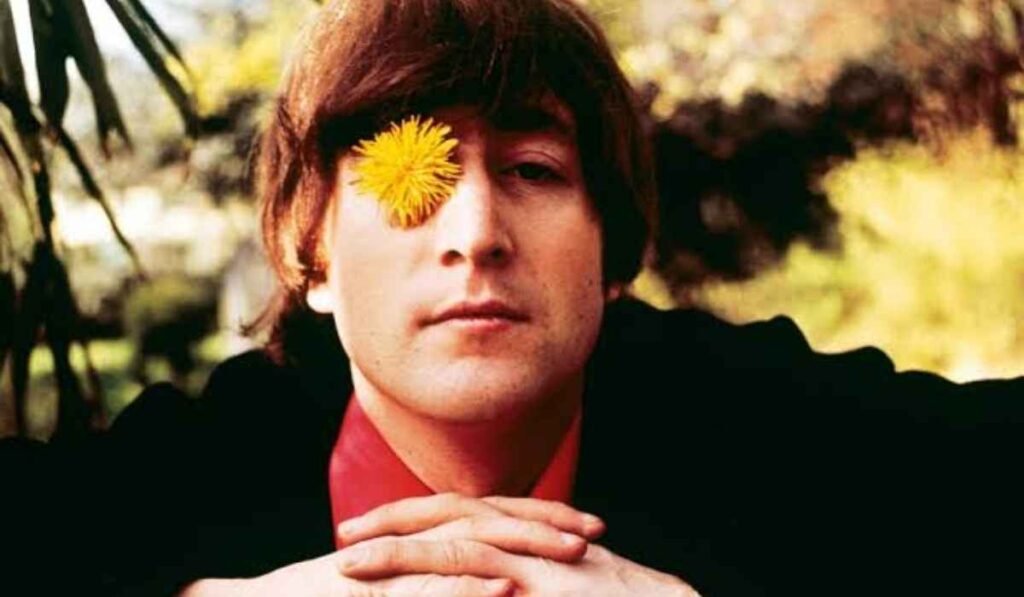
Skiffle music swept through British youth culture during the mid-fifties, inspiring countless teenagers to pick up cheap instruments and form neighborhood garage bands. John Lennon enthusiastically embraced this grassroots musical movement by establishing the Quarrymen with several school friends in Liverpool. Rehearsals took place in local church halls, backyards, and damp bedrooms, where the young musicians eagerly practiced classic American blues and upbeat rhythm tracks. This initial collaborative effort provided a crucial platform for him to develop his distinctive vocal delivery, rhythm guitar playing, and stage presence while navigating the vibrant local underground music circuit.
Meeting Paul McCartney and Expanding Horizons
A fateful summer afternoon church fete in Woolton brought together two of the most influential creative minds in modern musical history. When John Lennon was introduced to a talented young guitarist named Paul McCartney, an immediate artistic connection formed based on shared musical influences and ambitions. Inviting McCartney to join the Quarrymen expanded the group’s creative horizons and initiated one of the most prolific songwriting partnerships ever recorded. Their evolving lineup spent countless hours harmonizing, writing original material, and absorbing diverse stylistic elements that would soon revolutionize the contemporary pop landscape and capture global attention.
Evolution Into The Phenomenal Beatles Lineup
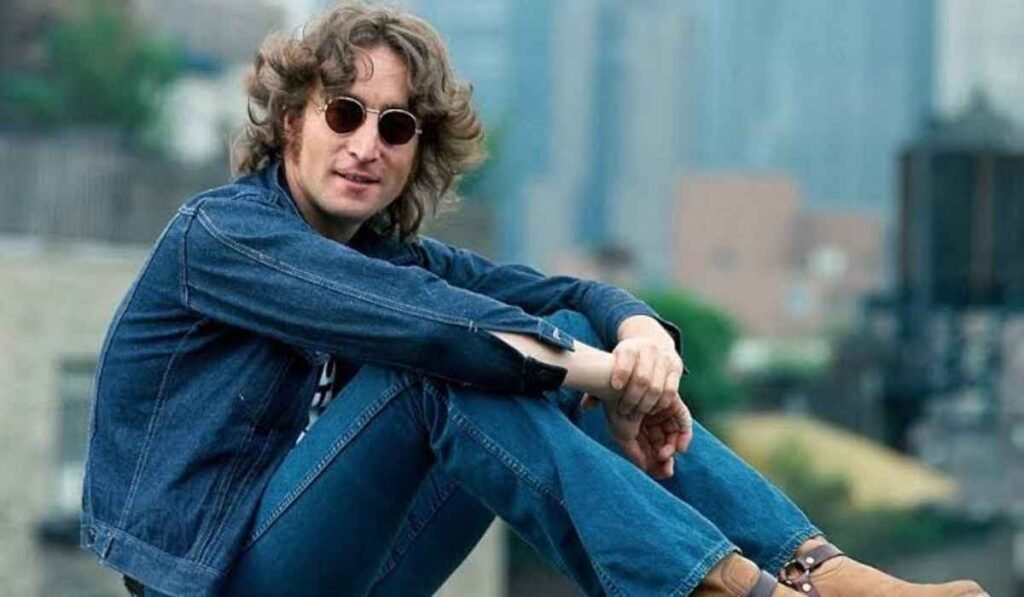
Constant personnel changes and relentless local gigging eventually forged the legendary musical ensemble that would conquer international entertainment markets. With the additions of lead guitarist George Harrison and powerhouse drummer Ringo Starr, John Lennon and his bandmates finalized the iconic lineup known simply as The Beatles. Their energetic performances at Hamburg clubs honed their technical proficiency and stage endurance, transforming them into a tight musical unit. Returning to British shores, the group ignited a cultural frenzy known globally as Beatlemania, completely reshaping fashion, media, and youth identity across Western society during the early sixties.
Global Beatlemania and Exhausting Touring Years
The unprecedented wave of international popularity propelled John Lennon and his bandmates into a whirlwind schedule of frantic global concert tours. Stadiums filled to maximum capacity with screaming fans, making it virtually impossible for the musicians to hear themselves play live on stage. Despite the overwhelming chaos of mass hysteria, John Lennon continued to pen witty lyrics and sharp social commentary into his increasingly sophisticated compositions. The grueling physical demands, media scrutiny, and creative limitations of endless touring eventually forced the group to abandon live performances altogether and focus entirely on groundbreaking studio experimentation.
Studio Innovation and Artistic Masterpieces
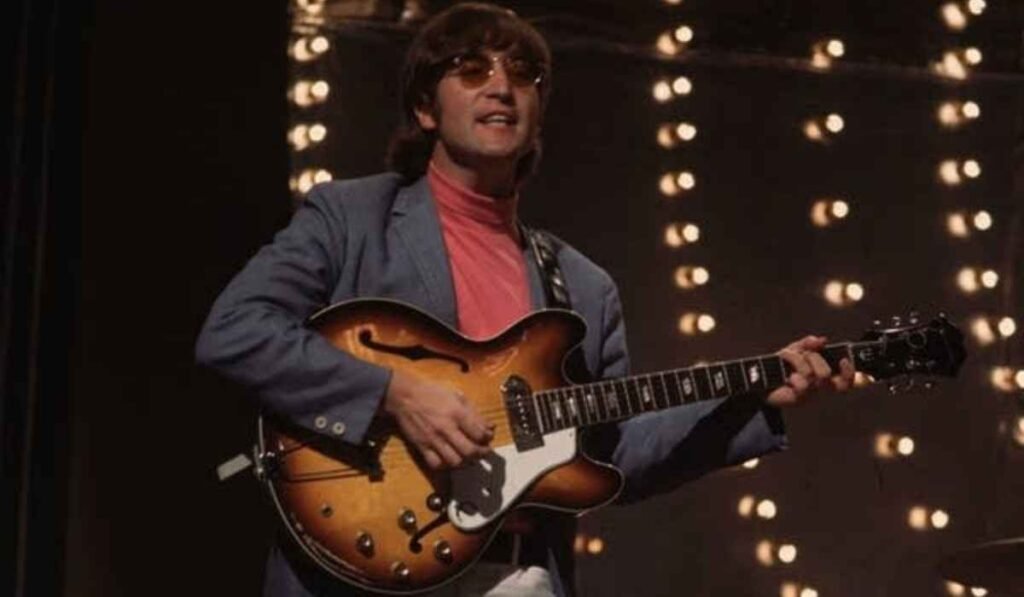
Retiring from the live concert circuit allowed John Lennon to channel his boundless creative energy into exploring revolutionary recording techniques and avant-garde studio arrangements. Collaborating closely with visionary producer George Martin, the group crafted milestone albums that elevated pop music into high art. Tracks featured intricate tape loops, orchestral layering, unusual instrumentation, and deeply introspective lyrics written by John Lennon himself. These innovative sessions established a new benchmark for record production, proving that commercial pop releases could possess profound artistic depth, philosophical complexity, and lasting cultural relevance across multiple generations of listeners.
Personal Exploration and Spiritual Journeys
The late sixties brought significant personal and philosophical shifts for John Lennon, deeply influencing his creative output and public worldview. Seeking higher consciousness, the group traveled to India to study transcendental meditation under the guidance of Maharishi Mahesh Yogi. Although this retreat was cut short by personal disillusionment, the peaceful environment inspired a prolific period of acoustic songwriting. John Lennon utilized these stripped-down arrangements to process complex emotions, reconnect with nature, and explore inner psychological landscapes, which heavily influenced the composition of subsequent studio recordings and collaborative musical projects.
Meeting Yoko Ono and Creative Partnership
An encounter with avant-garde artist Yoko Ono at a London gallery marked a profound turning point in the personal and professional trajectory of John Lennon. Their intense romance quickly evolved into an inseparable creative alliance that challenged conventional artistic boundaries and societal expectations. Together, the couple produced experimental soundscape albums, staged peace protests, and shared their daily lives openly with the international media. This deep relationship catalyzed John Lennon’s eventual departure from his former band, guiding him toward a liberated solo career focused on radical authenticity, personal transparency, and joint sociopolitical activism.
The Historic Breakup of The Beatles
Creative differences, changing personal priorities, and intense business pressures ultimately led to the bitter dissolution of the world’s most famous musical institution. While various members drifted toward separate artistic paths, John Lennon was eager to dismantle the stifling mythos surrounding the group and pursue unfettered independence. The official separation marked the end of an era, liberating him to express his unfiltered political views and emotional vulnerability through raw musical arrangements. This turbulent transition period yielded some of the most cathartic, emotionally potent, and critically acclaimed recordings of his entire professional life.
Launching a Fearless Solo Career
Stepping away from the comforting umbrella of his former band allowed John Lennon to forge a courageous and deeply personal solo musical identity. Working alongside Yoko Ono and various guest artists under the Plastic Ono Band banner, he released brutally honest material that stripped away conventional pop artifice. His debut proper solo album featured primal scream therapy themes, confronting childhood abandonment, fame trauma, and existential dread directly. This uncompromising artistic direction established John Lennon as a fearless innovator willing to risk commercial alienation in order to achieve absolute emotional and creative honesty in his songs.
Global Anthems of Peace and Activism
Music transformed into a powerful vehicle for sociopolitical change as John Lennon actively dedicated his platform to promoting international peace and human rights. Iconic tracks like Imagine and Give Peace a Chance became timeless global anthems adopted by anti-war demonstrators and social justice movements worldwide. His public bed-in protests with Yoko Ono captured international headlines, brilliantly using eccentric performance art to subvert mainstream media coverage. Despite facing intense governmental surveillance and deportation threats from hostile political administrations, John Lennon remained steadfast in his commitment to using his massive influence for humanitarian advancement.
The Lost Weekend and Creative Reflection
Midway through the nineteen-seventies, John Lennon experienced a turbulent period of personal separation and excessive living known colloquially as his lost weekend phase. Relocating temporarily to Los Angeles with companion May Pang, he engaged in heavy partying while simultaneously recording several classic rock-inspired cover albums. Despite the chaotic lifestyle, this period ultimately fostered renewed appreciation for his marriage and career stability. Returning permanently to New York City, John Lennon resolved his personal demons, mended relationships with old friends, and prepared himself for a peaceful return to domestic family life.
Fatherhood and Musical Hiatus
Choosing to prioritize his growing family above all else, John Lennon stepped away from the music industry entirely for five years. During this extended domestic hiatus, he embraced full-time fatherhood, raising his newborn son Sean in Manhattan while baking bread, listening to the radio, and enjoying quiet anonymity. This peaceful break from the glaring spotlight allowed John Lennon to heal from decades of relentless public exposure, creative exhaustion, and commercial pressure. It was a transformative chapter of quiet contentment that deeply enriched his personal perspective and emotional maturity.
Triumphant Return With Double Fantasy
Renewed inspiration and domestic happiness finally lured John Lennon back into the recording studio to share his fresh perspective with the world. Collaborating with Yoko Ono, he produced Double Fantasy, a critically praised album exploring mature themes of enduring love, parenthood, and middle-aged reflection. The lead single immediately dominated international charts, signaling a triumphant artistic comeback that delighted old fans and captivated a brand-new generation of listeners. John Lennon expressed immense excitement for the future, planning upcoming concert tours and creative ventures that promised an exhilarating new chapter in his legendary career.
Tragic Assassination and Global Mourning
The vibrant musical renaissance was violently cut short when John Lennon was tragically murdered outside his Manhattan apartment building on December 8, 1980. News of his sudden death sent shockwaves of profound grief across the entire planet, prompting millions of fans to gather in spontaneous candlelight vigils. Memorial sites like Strawberry Fields in Central Park became permanent global shrines dedicated to his enduring message of peace and unity. Though his physical life ended prematurely at age forty, the shocking tragedy cemented John Lennon’s status as a tragic martyr for artistic freedom and humanitarian idealism.
Posthumous Releases and Guarded Legacy
Following his tragic passing, unreleased recordings, demo archives, and live compilations were carefully curated and shared with the devoted global fan base. Projects managed by Yoko Ono ensured that John Lennon’s artistic integrity, political ideals, and musical genius remained accessible to modern audiences everywhere. Archival box sets and remastered audio editions continually reintroduce his groundbreaking work to contemporary listeners, proving that his creative output has lost none of its original power. His recorded legacy continues to inspire countless modern artists, songwriters, and activists striving to make a positive impact on society.
Cultural Impact on Modern Music
The fingerprints of John Lennon are easily traceable across virtually every genre of modern popular music, alternative rock, and indie culture today. His willingness to experiment with unconventional structures, confessional lyricism, and political commentary broke open doors for generations of subsequent musicians. Bands and solo performers across the globe frequently cite his fearless individuality and melodic genius as foundational inspirations for their own creative journeys. By demonstrating that popular music could address complex psychological and political realities, John Lennon permanently elevated the cultural significance of the modern songwriter.
Enduring Influence as a Humanitarian Icon
Beyond his undeniable musical accomplishments, John Lennon remains a towering global symbol of hope, compassion, and uncompromising idealism. Annual global commemorations of his birth and death unite people from diverse cultural backgrounds under shared visions of worldwide peace and understanding. Educational foundations, charitable initiatives, and human rights campaigns continually draw inspiration from his timeless artistic philosophy and anti-establishment courage. His passionate voice continues to resonate powerfully across decades, reminding humanity that imagining a peaceful world is the first crucial step toward actually creating it.
Reflections on a Timeless Cultural Titan
Looking back across the remarkable timeline of his extraordinary existence reveals a complex human being who constantly evolved through art, love, and struggle. John Lennon transformed from a cynical working-class Liverpool teenager into a universally beloved icon of peace, radical honesty, and musical innovation. His willingness to bare his soul through unforgettable melodies ensured that his spirit remains vibrantly alive within the hearts of millions. Ultimately, his profound artistic contributions and fierce humanitarian vision ensure that John Lennon will forever remain an immortal legend in human history.
FAQs
- What was the birth date of John Lennon?
- John Lennon was born on October 9, 1940.
- Which famous band did he co-found?
- He co-founded The Beatles.
- Who was his second wife and close creative partner?
- He was married to Yoko Ono.
- When did John Lennon pass away?
- He tragically passed away on December 8, 1980.
- What is one of his most famous solo peace anthems?
- His most famous solo peace anthem is the song Imagine.