
 admin
admin
The cultural landscape of modern rock music shifted dramatically when a visionary young artist emerged from the Pacific Northwest to capture the angst, disillusionment, and raw energy of an entire generation. Operating as the primary songwriter, lead vocalist, and guitarist of the legendary band Nirvana, this iconic figure completely redefined mainstream music conventions during the early 1990s. Millions of listeners worldwide found deep solace and intense emotional resonance within his uniquely abrasive yet melodic song structures, poetic lyricism, and anti-establishment philosophy. Even decades after his untimely and tragic passing, the enduring cultural footprint left behind by Kurt Cobain continues to inspire countless new musicians, passionate fans, and underground alternative culture enthusiasts across the globe.
Quick Bio
| Attribute | Detail |
| Full Name | Kurt Donald Cobain |
| Birth Date | February 20, 1967 |
| Birth Place | Aberdeen, Washington, United States |
| Passed Away | April 5, 1994 (Aged 27) |
| Occupation | Musician, Songwriter, Artist |
| Genre | Grunge, Alternative Rock |
| Associated Act | Nirvana |
| Spouse | Courtney Love |
| Children | Frances Bean Cobain |
Early Life and Childhood Roots in Washington State
Growing up in the modest logging town of Aberdeen, Washington, the young boy who would eventually transform global rock culture experienced an initially happy childhood before facing profound domestic disruptions. Artistically inclined from a very early age, Kurt Cobain spent countless hours sketching cartoon characters and expressing a natural sensitivity that set him apart from his peers. The painful divorce of his parents when he was just nine years old marked a major turning point, introducing emotional turmoil and instability that deeply influenced his later worldview. Moving between various relatives’ homes and experiencing periods of homelessness during his teenage years further shaped the intense emotional vulnerability and rebellious spirit that defined Kurt Cobain.
Discovery of Punk Rock and Underground Counterculture

The introduction to punk rock music served as a monumental awakening that redirected his creative energies and solidified his lifelong aversion to mainstream commercialism. Local underground bands like the Melvins opened his eyes to a raw, unpolished aesthetic that championed DIY ethics over technical perfection and stadium spectacle. Immersing himself deeply within this regional subculture allowed Kurt Cobain to channel his adolescent alienation and frustration into aggressive guitar riffs and subversive artistic expression. This formative period laid the foundational bedrock for the sonic revolution he would soon unleash upon the world, ensuring that Kurt Cobain remained forever tied to countercultural roots.
Formation of Nirvana and the Seattle Sound Evolution
Musical ambitions crystallized in 1987 when a creative partnership was forged with bassist Krist Novoselic, leading directly to the birth of the iconic band Nirvana. Countless hours spent rehearsing in cramped spaces eventually yielded a powerful fusion of heavy punk distortion and infectious pop melody that came to define the legendary Seattle grunge movement. Following several lineup changes, the definitive addition of powerhouse drummer Dave Grohl completed a musical triad possessing unmatched chemistry and explosive live energy. Through relentless touring and underground credibility, Kurt Cobain steered the group toward a major-label breakthrough that would change popular music forever.
The Release of Bleach and Initial Underground Success
Independent record label Sub Pop provided the platform for releasing the band’s rugged debut studio album, which immediately established their presence within the American indie music scene. Raw, heavy, and drenched in melancholic blues influences, the record showcased a budding songwriting talent striving to articulate deep-seated angst and social displacement. While commercial success was modest initially, the project garnered critical acclaim and built a dedicated regional following that anticipated greater artistic heights. Every track reflected the uncompromising vision of Kurt Cobain, proving that aggressive underground music could command serious attention from critical gatekeepers.
The Commercial Phenomenon of Nevermind and Global Stardom
Global culture experienced an undeniable seismic shift in late 1991 when the landmark sophomore album achieved unprecedented commercial success and dethroned conventional pop music charts. Propelled by the inescapable anthem Smells Like Teen Spirit, the release transformed Kurt Cobain into an overnight reluctant icon and the voice of a disillusioned generation. Stadiums filled to capacity as millions of youths embraced the flannel-clad aesthetic and emotionally raw lyricism that characterized the alternative revolution. Despite achieving the pinnacle of musical success, Kurt Cobain felt deeply conflicted about the machinery of fame and commercial exploitation.
Becoming the Unwilling Spokesman for Generation X
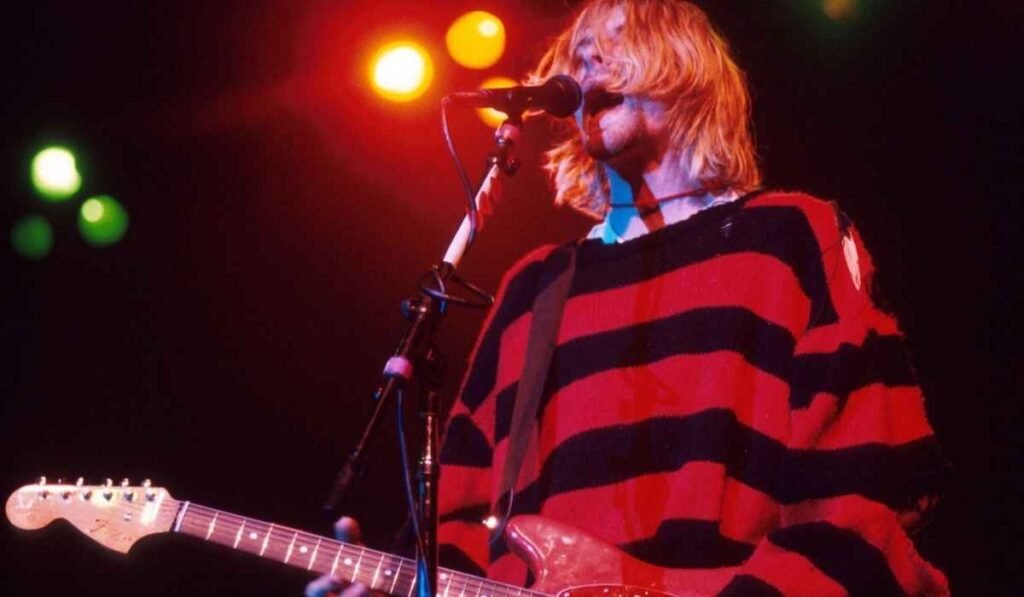
Media outlets and adoring fans quickly anointed the introspective frontman as the definitive spokesperson for Generation X, a title he profoundly rejected and found intensely burdensome. His fierce commitment to underground punk ethics clashed awkwardly with corporate radio rotation and mainstream adoration, creating persistent internal distress. Rather than basking in celebrity status, Kurt Cobain frequently used interviews and public appearances to subvert expectations and advocate for marginalized social groups. This heavy mantle of generational representation weighed heavily on Kurt Cobain, amplifying his struggles with personal identity and public scrutiny.
Artistic Integrity Versus Corporate Music Industry Pressures
Navigating the treacherous waters of major-label expectations proved exhausting for an artist who valued pure creative autonomy above all else. Corporate executives anticipated carbon copies of past hits, whereas Kurt Cobain consistently sought to challenge listeners with abrasive sonic experiments and anti-commercial statements. He openly expressed disdain for industry superficiality, famously subverting television performances and album sequencing to test the boundaries of his commercial viability. Maintaining strict artistic integrity in the face of immense financial pressure remained a defining struggle throughout the career of Kurt Cobain.
The Creation and Intent of In Utero
Deliberately constructed as a direct challenge to mainstream pop sensibilities, the final studio album delivered a stark, unvarnished, and abrasive sonic landscape. Working alongside producer Steve Albini, the band captured a gritty organic sound that intentionally alienated casual listeners while satisfying core punk purists. Lyrical themes explored visceral bodily imagery, personal trauma, and bitter reflections on sudden celebrity, confirming that Kurt Cobain refused to compromise his artistic vision. Despite industry attempts to temper its rough edges, the record debuted at the top of the charts, proving the enduring commercial power of Kurt Cobain.
Battle with Chronic Health Issues and Physical Pain
Behind the glowing critical praise and massive arena tours lay a debilitating physical reality characterized by severe chronic stomach pain and persistent bronchial ailments. Years of undiagnosed gastrointestinal distress tortured the musician, severely impacting his daily life and adding immense strain to grueling international concert schedules. Medical professionals struggled to find effective treatments, leading to prolonged physical suffering that deeply affected the psychological state of Kurt Cobain. This relentless physical agony became a major catalyst for the personal dependencies and heavy substance use that ultimately plagued Kurt Cobain during his final years.
Substance Struggles and the Pressures of Addiction
Coping with intense physical pain and overwhelming psychological stress eventually drew the vulnerable songwriter into the destructive grip of heroin addiction. What began as an ill-fated attempt at self-medicating chronic ailments quickly spiraled into a severe chemical dependency that complicated professional obligations and personal relationships. Multiple attempts at rehabilitation and clinical interventions met with heartbreaking relapses, highlighting the deep-rooted nature of his psychological distress. The private battle against addiction severely tested the resilience of Kurt Cobain, casting a long, dark shadow over his brilliant creative output.
Relationship with Courtney Love and Family Life
High-profile romance entered the picture when he met fellow musician Courtney Love, leading to a whirlwind relationship, marriage in Hawaii, and the birth of their daughter Frances Bean. Parenthood brought moments of profound joy and a strong desire for domestic stability, yet the couple’s turbulent lives remained under intense media scrutiny. Tabloid journalists constantly hounded the young family, sensationalizing their personal struggles and compounding the stress experienced by Kurt Cobain. Despite the chaotic environment surrounding their household, the deep affection Kurt Cobain held for his daughter remained a central pillar of his emotional world.
The Historic MTV Unplugged in New York Performance
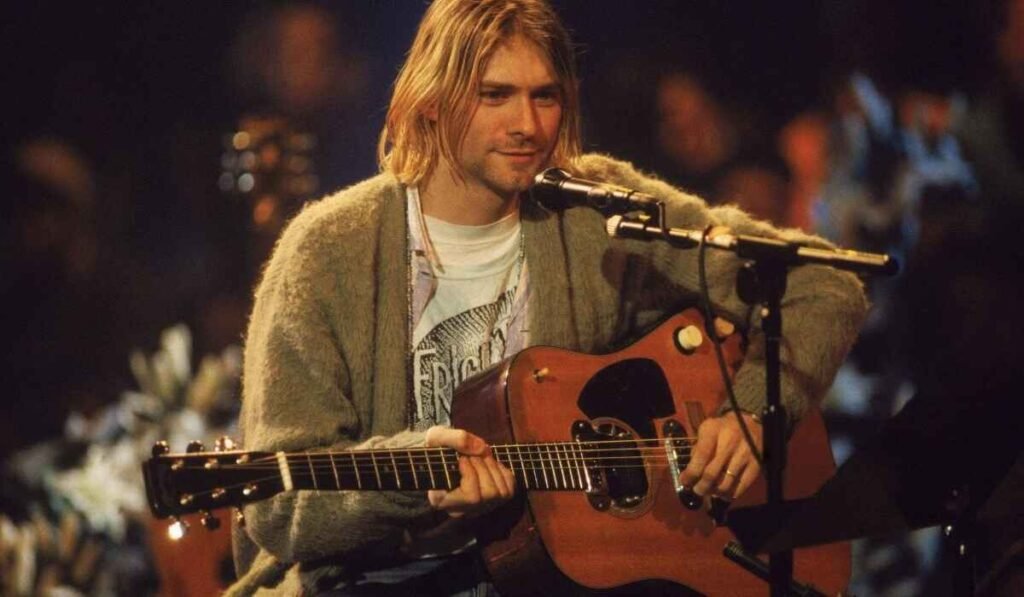
Stripping away distorted electric amplifiers, the acoustic performance recorded for television in late 1993 showcased a hauntingly vulnerable and breathtakingly raw musical mastery. Eschewing standard hit singles in favor of obscure covers and deep album cuts, Kurt Cobain curated a solemn, funeral-like atmosphere that mesmerized viewers. His fragile vocals echoed with haunting emotional depth, transforming traditional folk and rock standards into deeply personal confessions. This legendary broadcast stands as a poignant testament to the unmatched interpretive genius and haunting artistry of Kurt Cobain near the end of his life.
Tragic Passing and the End of an Era
Global shockwaves reverberated across the international music community when the lifeless body of the twenty-seven-year-old icon was discovered inside his Seattle home. Forensic investigators ruled the tragic event a suicide, leaving millions of grieving fans searching for answers and mourning a profound loss. The sudden silence left by his departure marked an abrupt end to the golden era of grunge, altering the trajectory of modern rock history forever. Tributes poured in from around the planet, cementing the permanent absence left by Kurt Cobain within contemporary culture.
Posthumous Releases and Preserved Archival Material
Vaults containing unreleased home demos, rough studio mixes, and personal journal entries were gradually opened following his passing, offering deeper insights into his creative process. Publications of handwritten notebooks revealed a brilliant, hyper-creative mind filled with poetic verse, dark humor, and meticulous artistic sketches. Posthumous compilation albums and critically acclaimed documentary features further humanized the legend, ensuring that future generations understood the complex dimensions of Kurt Cobain. These curated archival treasures allowed the artistic spirit of Kurt Cobain to remain vibrant and profoundly relevant across decades.
Lasting Influence on Alternative Rock and Modern Fashion
Resonating far beyond the confines of discography, the cultural impact reshaped independent music genres and inspired generations of garage bands worldwide. The signature grunge aesthetic—characterized by thrift-store cardigans, torn jeans, and casual flannel shirts—permanently altered global fashion trends and mainstream design sensibilities. Modern alternative artists consistently cite his fearless emotional honesty and raw performance style as foundational influences on their own work. The stylistic blueprint established by Kurt Cobain continues to thrive within the DNA of contemporary independent rock music.
Cultural Significance and Generation X Iconography
Representing the ultimate paradox of commercial rejection and massive global adulation, the persona of the troubled frontman became synonymous with youthful angst. He dismantled the hyper-masculine posturing of 1980s hard rock, replacing it with vulnerability, empathy, and advocacy for social inclusivity. This cultural reset liberated subsequent artists to explore complex mental health themes and personal insecurities within mainstream compositions. Sociologists and music historians regularly analyze the profound iconography surrounding Kurt Cobain to understand the psychological landscape of the 1990s.
The 27 Club and Mythological Rock Status
Tragically joining the infamous roster of iconic musicians who perished at the age of twenty-seven, his mythos expanded exponentially following his earthly departure. This dark alignment with legendary figures like Jimi Hendrix, Janis Joplin, and Jim Morrison elevated Kurt Cobain into the realm of immortalized rock folklore. Books, films, and endless academic analyses attempt to decode the tragic trajectory of a genius consumed by his own brilliance and sensitivity. Yet, beneath the morbid mythology lies the fragile humanity of Kurt Cobain, whose artistic gift touched millions.
Rock and Roll Hall of Fame Induction and Memorials
Formal recognition by the music industry arrived in 2014 when surviving bandmates accepted a unanimous induction into the prestigious Rock and Roll Hall of Fame. Memorial parks, annual celebrations in his hometown of Aberdeen, and global tributes keep the memory of the legendary songwriter alive and actively celebrated. Fans continue making pilgrimages to Seattle landmarks to pay their respects and reflect upon the monumental songs gifted by Kurt Cobain. These enduring memorials ensure that the historical significance of Kurt Cobain remains permanently etched in public memory.
Psychological Vulnerability and Mental Health Advocacy
Open discussions surrounding depression, mental health awareness, and addiction recovery found a powerful catalyst in the tragic narrative and honest lyrics of the late icon. Destigmatizing psychological struggles became an unexpected legacy, as advocates utilized his life story to promote supportive resources for struggling creatives. Recognizing the heavy toll exacted by unmanaged trauma transformed how modern society views the intersection of artistic genius and mental distress. Millions find comfort in knowing that even a colossal talent like Kurt Cobain experienced deep pain, inspiring vital ongoing conversations about wellness.
Enduring Legacy and Timeless Musical Relevancy
Decades have passed since the quiet streets of Seattle echoed with the news of his passing, yet the sonic brilliance of his catalog remains entirely undiminished. Streaming platforms log billions of plays from listeners who were not even born when alternative rock experienced its golden 1990s renaissance. The poetic brilliance, blistering guitar feedback, and emotional rawness ensure that future generations will continually rediscover the irreplaceable talent of Kurt Cobain. Through every distorted chord and haunting vocal melody, the eternal spirit of Kurt Cobain lives on within the heartbeat of rock music.
FAQs
- When was Kurt Cobain born?
- Kurt Cobain was born on February 20, 1967.
- What band did Kurt Cobain front?
- He was the lead vocalist and guitarist for the grunge band Nirvana.
- What was Nirvana’s most famous album?
- Their breakout 1991 major-label album Nevermind achieved global phenomenon status.
- When did Kurt Cobain pass away?
- He died on April 5, 1994, at the age of twenty-seven.
- Where can I learn more about his life history?
- Comprehensive historical data and biographical overviews are detailed on FRIENDLY.