 admin
admin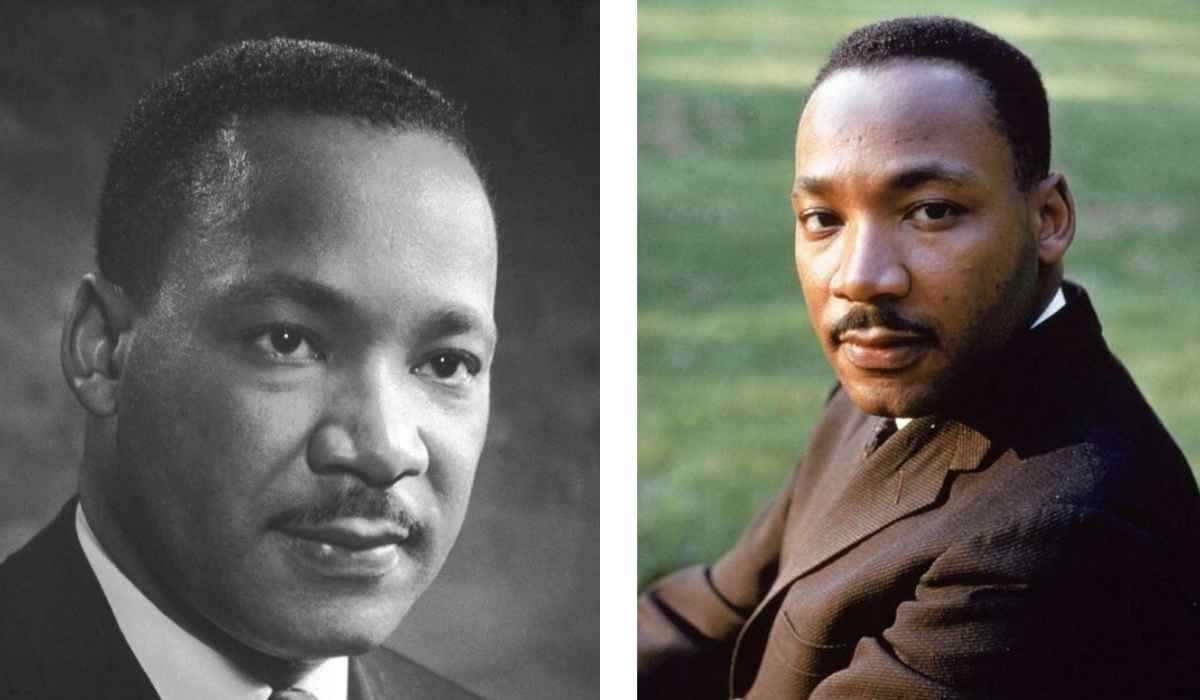
Martin Luther King Jr was a visionary leader who dedicated his entire life to the pursuit of equality and justice for all people. Born in Atlanta, Georgia, he emerged as a powerful voice during a time of deep racial division and institutionalized segregation across America. His commitment to peaceful resistance transformed the struggle for civil rights and inspired millions globally. By utilizing nonviolent strategies, he challenged oppressive laws and systemic discrimination, leaving behind a legacy that continues to resonate powerfully within modern society today.
Quick Bio Table
| Attribute | Detail |
| Full Name | Martin Luther King Jr. |
| Birth Date | January 15, 1929 |
| Birthplace | Atlanta, Georgia |
| Died | April 4, 1968 |
| Key Award | Nobel Peace Prize (1964) |
Early Life and Upbringing in Atlanta
Growing up in Atlanta provided Martin Luther King Jr with a strong foundation rooted in faith, community, and strong family values. His father served as a dedicated pastor at the Ebenezer Baptist Church, which deeply shaped his spiritual outlook. Young Martin excelled academically, showing an early aptitude for language, public speaking, and theological exploration. These formative years exposed him to the harsh realities of Jim Crow segregation, planting the vital seeds for his future activism. The supportive environment at home gave him the emotional strength required to confront profound societal injustices later in life.
The Intellectual Awakening at Morehouse College
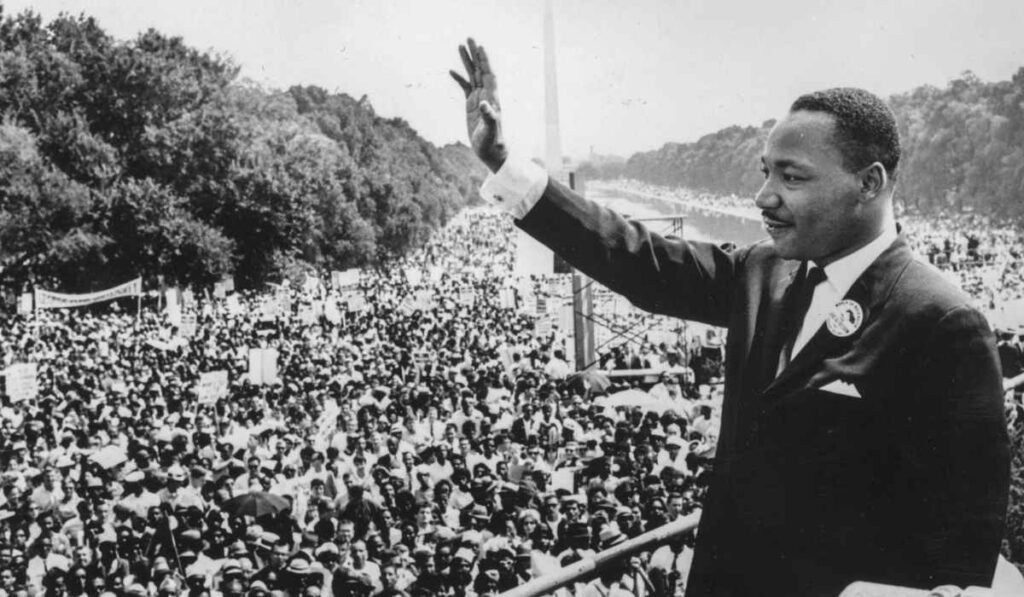
Entering Morehouse College at the young age of fifteen marked a significant turning point for Martin Luther King Jr as he began questioning societal norms. During his undergraduate studies, he encountered influential mentors who challenged his intellect and broadened his understanding of social philosophy. He initially wrestled with his calling to the ministry, eventually realizing that the pulpit could serve as a vehicle for massive societal change. This academic environment fostered critical thinking, allowing him to examine structural inequality through both a theological and a sociological lens with remarkable clarity.
Discovering Theological Foundations at Crozer and Boston
Moving on to Crozer Theological Seminary and later Boston University allowed Martin Luther King Jr to refine his academic and philosophical perspectives significantly. He immersed himself deeply in the theological writings of various thinkers, which helped shape his unique approach to leadership. During these intensive studies, he cultivated a sophisticated understanding of Christian ethics and social responsibility. His academic excellence earned him recognition among peers and faculty members alike, setting a high standard for his future endeavors. These rigorous educational experiences prepared him mentally for the immense challenges he would soon face on the national stage.
The Philosophical Influence of Mahatma Gandhi
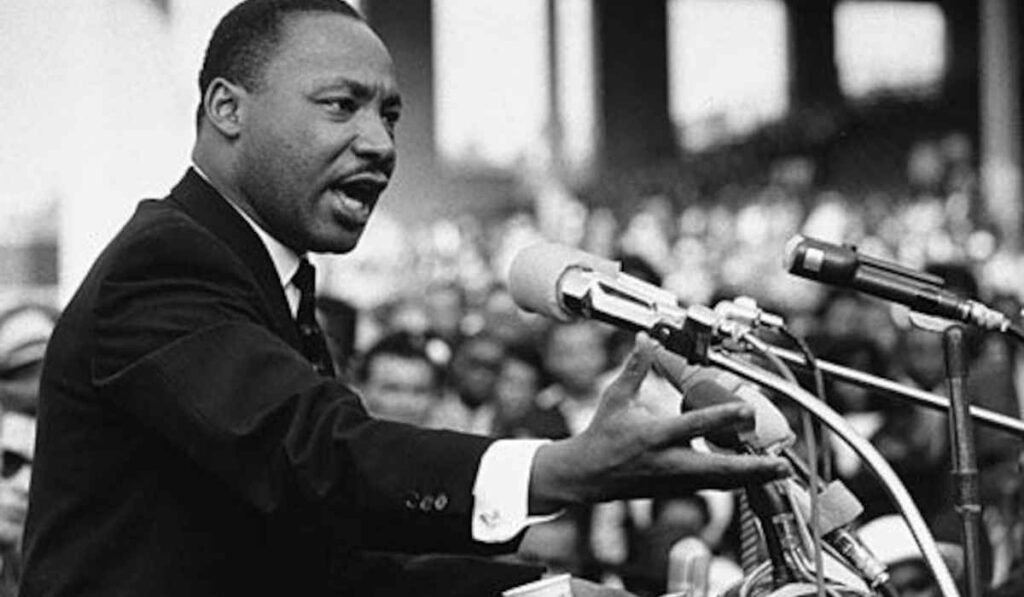
Embracing the profound teachings of Mahatma Gandhi provided Martin Luther King Jr with a practical framework for executing nonviolent social resistance. He recognized that love and passive resistance could disarm hostile oppressors far more effectively than physical retaliation ever could. This philosophy became the cornerstone of his strategy during numerous protests, marches, and high-stakes campaigns across the American South. By adapting these foreign principles to the domestic civil rights struggle, he forged an unbreakable weapon for justice. His intellectual synthesis of Christian love and Gandhian tactics revolutionized modern political activism permanently.
Stepping into Leadership in Montgomery
Accepting his first pastoral position in Montgomery, Alabama placed Martin Luther King Jr directly on the front lines of the burgeoning civil rights movement. When local activists initiated the historic bus boycott following the arrest of Rosa Parks, they needed a unifying spokesperson. Stepping into this role thrust him into the national spotlight, testing his courage, resolve, and oratorical prowess daily. Despite receiving frequent death threats and facing constant intimidation, he maintained his unwavering commitment to the cause. This successful campaign demonstrated the immense power of organized, peaceful economic noncooperation.
Founding the Southern Christian Leadership Conference
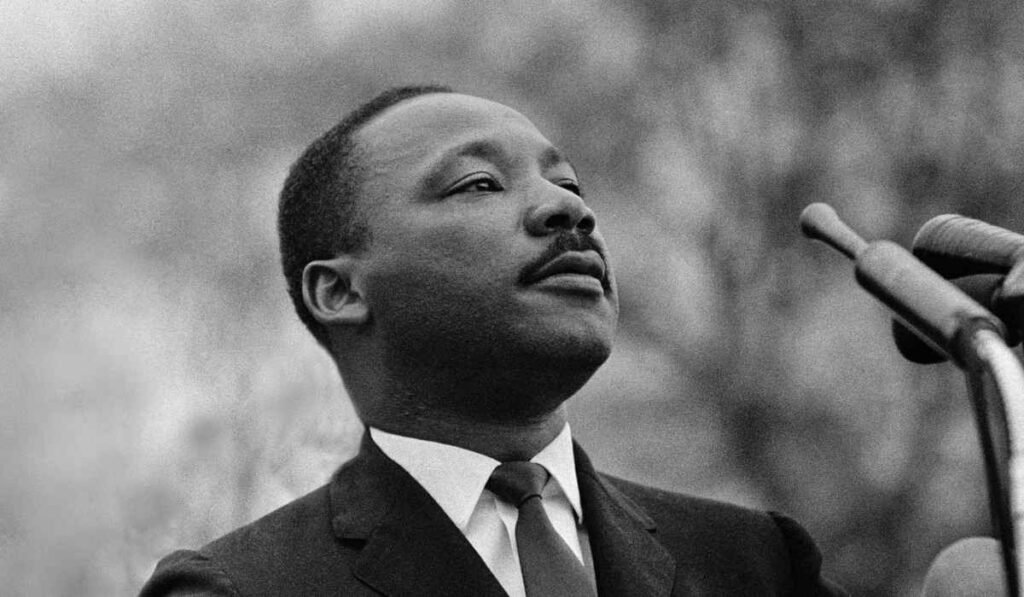
Establishing the Southern Christian Leadership Conference enabled Martin Luther King Jr to expand his organizational reach and coordinate regional protests effectively. Serving as its dynamic president, he traveled extensively to mobilize local communities and train activists in nonviolent direct action techniques. The organization became the institutional backbone for numerous historic campaigns targeting segregated public accommodations and voting restrictions. Under his guidance, the group orchestrated strategic boycotts and voter registration drives that rattled entrenched political structures. This leadership role solidified his status as the undisputed voice of the African American freedom struggle.
The Crucible of the Birmingham Campaign
Facing intense police brutality during the Birmingham campaign tested the absolute limits of Martin Luther King Jr and his dedicated followers. Arrested during the protests, he penned his famous letter from jail, outlining the moral necessity of breaking unjust laws openly. Televised images of police dogs and fire hoses unleashed against peaceful demonstrators shocked the collective conscience of the entire nation. This pivotal confrontation forced federal authorities to intervene, resulting in significant local concessions regarding desegregation. The triumph in Birmingham proved that strategic tension could successfully compel stubborn institutions to negotiate.
Orchestrating the Historic March on Washington
Delivering his iconic address during the March on Washington solidified Martin Luther King Jr as a truly legendary figure in American history. Standing before a massive multiracial crowd at the Lincoln Memorial, he painted a vivid picture of a harmonious future nation. His soaring rhetoric captured the moral high ground and galvanized unprecedented legislative support for civil rights reforms. This monumental gathering showcased the broad coalition of citizens demanding immediate an end to racial inequality. The sheer scale and peaceful nature of the event left an indelible mark on the global political landscape.
Achieving Recognition with the Nobel Peace Prize
Receiving the prestigious Nobel Peace Prize in 1964 elevated Martin Luther King Jr onto the international stage as a global ambassador for human rights. At just thirty-five years old, he stood as the youngest recipient of this high honor up to that point in time. He accepted the award not merely for himself, but on behalf of every peaceful citizen marching courageously for dignity worldwide. This international accolade amplified his voice against global injustices, including poverty and international militarism. The prize reinforced his unwavering belief that peace and justice are inextricably linked together globally.
The Landmark Selma Voting Rights Marches
Organizing the Selma to Montgomery marches represented Martin Luther King Jr at the height of his tactical and political influence. These demonstrations were specifically designed to address systemic voter suppression affecting Black citizens across rural Alabama communities. Encounters with extreme violence on Edmund Pettus Bridge drew international condemnation and horrified television viewers everywhere. Undeterred by the brutal opposition, he led thousands forward until federal protection was finally guaranteed by the administration. This hard-fought campaign directly catalyzed the passage of the historic Voting Rights Act.
Expanding the Horizon Toward Economic Justice
Shifting his focus toward economic justice in his later years showcased Martin Luther King Jr addressing broader systemic inequalities across America. He recognized that political freedom meant very little without financial security, decent housing, and fair employment opportunities for all workers. This vision materialized in the ambitious Poor People’s Campaign, aimed at highlighting the plight of impoverished Americans of every racial background. Traveling nationwide, he advocated tirelessly for labor unions, fair wages, and comprehensive government assistance programs. This evolution proved that his moral compass encompassed total human well-being rather than civil rights alone.
Challenging the Vietnam War and Militarism
Voicing fierce opposition to the Vietnam War demonstrated Martin Luther King Jr displaying immense political courage despite heavy mainstream pushback. He argued that escalating military conflicts diverted critical resources away from domestic anti-poverty programs while destroying innocent human lives abroad. Many traditional allies and media outlets criticized his stance, fearing it would alienate key political figures and derail civil rights progress. Nevertheless, his deep moral convictions compelled him to speak truth to power regardless of personal consequences. This principled stand cemented his identity as a comprehensive prophet of global peace.
The Tragic Assassination in Memphis
Visiting Memphis, Tennessee to support striking sanitation workers proved to be the final chapter for Martin Luther King Jr. Standing on a motel balcony on April 4, 1968, his life was tragically cut short by an assassin’s bullet. News of his sudden death triggered widespread grief, shock, and civil unrest in cities across the entire nation. Leaders from around the world mourned the loss of a generational champion for equality, love, and human dignity. Yet, while his physical presence was silenced, his enduring spirit and philosophy survived his tragic passing.
The Institutionalization of His Legacy Through a National Holiday
Establishing a federal holiday in honor of Martin Luther King Jr ensured that future generations would consistently reflect upon his monumental contributions. Years of persistent grassroots advocacy eventually convinced the federal government to dedicate a specific day for national service and remembrance. Schools, government offices, and institutions nationwide pause annually to celebrate his vision of a unified society. This national observance encourages citizens to engage in community service and embrace principles of racial harmony. It serves as a living reminder of the ongoing journey toward complete equality.
Global Inspirations and International Human Rights Movements
Inspiring freedom fighters across the globe, Martin Luther King Jr became a universal symbol for resistance against tyranny and systemic oppression. Activists in South Africa, India, and various European nations drew direct inspiration from his nonviolent methodology during their own struggles. His writings and speeches were translated into dozens of languages, educating oppressed populations about the power of peaceful dissent. International universities frequently study his strategic framework as a blueprint for successful social transformation. His global footprint proves that the demand for human dignity transcends national borders completely.
Cultural Impact in Literature, Art, and Public Memory
Influencing modern culture profoundly, Martin Luther King Jr is commemorated through countless statues, public squares, monuments, and educational curricula worldwide. Authors, poets, and filmmakers continue to draw creative inspiration from his extraordinary life, pivotal speeches, and moral courage. Memorial sites in Washington, D.C. and his hometown of Atlanta attract millions of annual visitors seeking inspiration. These cultural artifacts ensure that his teachings remain deeply embedded within the public consciousness. Art and memory combine to keep his revolutionary dream alive for modern audiences.
The Ongoing Relevance of His Dream Today
Navigating contemporary social challenges demonstrates how the timeless message of Martin Luther King Jr remains vitally relevant in modern political discourse. Issues surrounding systemic racism, economic disparity, and voting access continue to spark intense debates across modern societies. Activists frequently invoke his name and principles when organizing modern movements for social and economic justice. His insistence on peaceful dialogue serves as a guiding light during times of severe societal polarization. The ongoing quest to fulfill his vision drives contemporary advocates forward with renewed hope.
Preserving Historical Truths Through Scholarly Research
Examining archival documents and academic studies allows historians to understand Martin Luther King Jr beyond the simplified narratives often taught. Researchers analyze his complex political strategies, internal doubts, and evolving ideological stances on global capitalism and war. Educational institutions preserve his speeches, letters, and personal notes to provide future scholars with comprehensive primary sources. This rigorous academic engagement strips away romanticized myths, revealing a deeply human leader who achieved greatness through perseverance. Preserving these historical truths safeguards the integrity of his remarkable life story.
Reflecting on a Lifetime of Unmatched Sacrifice
Summarizing the extraordinary journey of Martin Luther King Jr reveals a man who willingly traded personal comfort for the collective liberation of humanity. His unwavering faith, brilliant intellect, and absolute dedication to nonviolence permanently altered the course of human history. Although his life was cut tragically short, his profound impact continues to reverberate through every corner of civilization. Humanity owes an immense debt of gratitude to his enduring courage and visionary leadership. For further reading and comprehensive biographical details, you can explore the FRIENDLY.
Frequently Asked Questions
- When was Martin Luther King Jr born?
- Martin Luther King Jr was born on January 15, 1929.
- What was his most famous speech?
- His most famous speech is the iconic “I Have a Dream” address delivered in 1963.
- Did he win any major international awards?
- He won the Nobel Peace Prize in the year 1964.
- Who influenced his philosophy of nonviolence?
- He drew heavy inspiration from the peaceful teachings of Mahatma Gandhi.
- When did he pass away?
- He was assassinated on April 4, 1968, in Memphis, Tennessee.