 admin
admin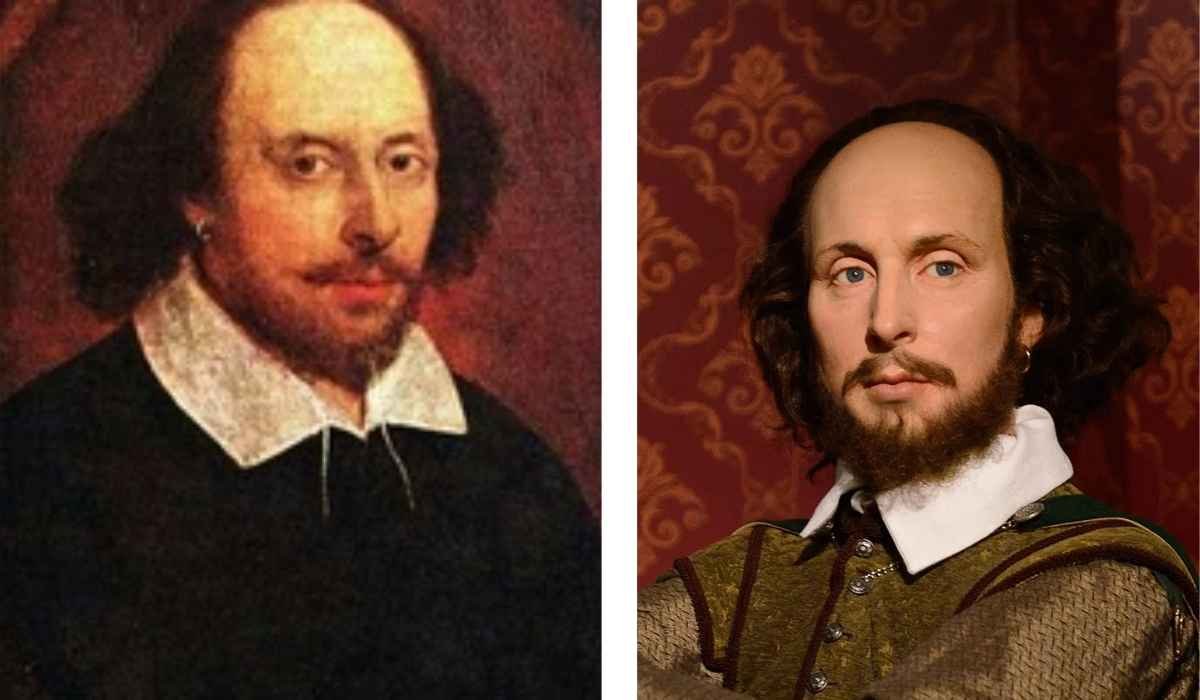
The iconic figure of William Shakespeare remains a towering pillar of global literature, culture, and dramatic arts. Born in the heart of Stratford-upon-Avon, this legendary writer captured the complex depths of human emotion through brilliant storytelling. Scholars frequently study William Shakespeare to understand the rich evolution of Early Modern English drama. His exceptional contributions continue to shape modern theatrical traditions worldwide. Generations find endless inspiration within the structured verses and unforgettable characters crafted by William Shakespeare during a remarkably vibrant era.
Quick Bio
| Attribute | Detail |
|---|---|
| Name | William Shakespeare |
| Birth | April 1564 (Baptized April 26) |
| Death | April 23, 1616 |
| Profession | Playwright, Poet, Actor |
| Spouse | Anne Hathaway |
Early Life and Childhood Origins
Growing up in a prosperous provincial household provided foundational experiences that heavily influenced William Shakespeare throughout his creative journey. Local civic records indicate that young William Shakespeare likely attended a prominent grammar school emphasizing classical studies. Historical accounts trace the modest beginnings of William Shakespeare back to his hardworking family origins in Warwickshire. Early community ties shaped the foundational worldview that William Shakespeare would later embed within his unforgettable literary masterpieces. Local traditions often celebrate the formative years of William Shakespeare within rural England.
Marriage and Family Foundations
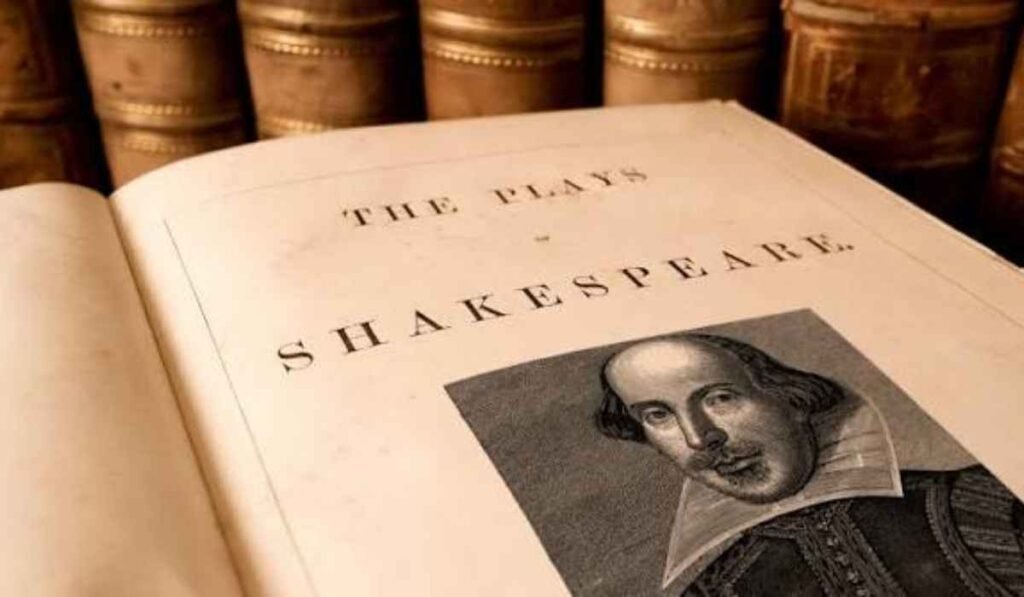
Stepping into early adulthood brought significant personal changes when William Shakespeare married local resident Anne Hathaway in late 1582. Historical documents reveal that William Shakespeare welcomed three children named Susanna, Hamnet, and Judith over the following years. Family responsibilities deeply motivated William Shakespeare to pursue stable professional opportunities despite challenging economic circumstances. Domestic life offered crucial emotional grounding while William Shakespeare balanced regional roots with metropolitan ambitions. Subsequent generations frequently analyze how family milestones affected William Shakespeare during his early creative period.
The Mysterious Lost Years
Historians often debate the activities pursued by William Shakespeare during an unrecorded period spanning from 1585 to 1592. Various legends attempt to fill the archival gaps regarding where William Shakespeare traveled during this enigmatic timeframe. Scholars suggest these transitional years allowed William Shakespeare to cultivate essential artistic observations. Whatever transpired during this interim, William Shakespeare emerged within London with extraordinary creative momentum. Academic investigations continue exploring the hidden chapters surrounding William Shakespeare before his theatrical debut.
Transition to the London Stage
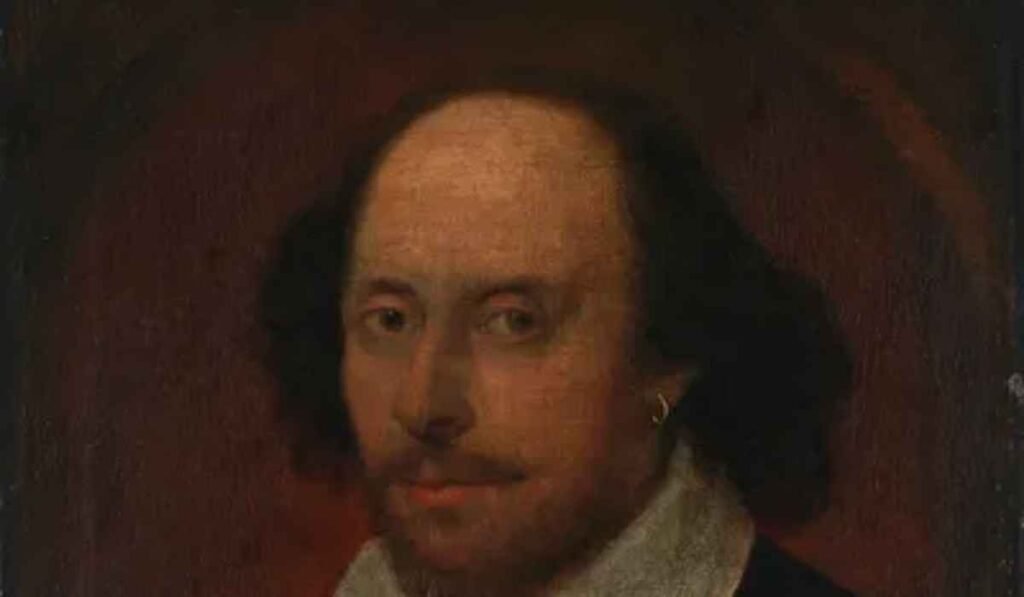
Relocating to the bustling metropolis placed William Shakespeare directly inside the competitive heart of Elizabethan theater. Initial professional steps established William Shakespeare as an adaptable actor and rising dramatist. Metropolitan audiences quickly embraced the unique theatrical voice introduced by William Shakespeare across multiple venues. Collaborating with fellow artists allowed William Shakespeare to secure financial stability and artistic freedom. Theater patrons routinely praised the distinctive narrative flair demonstrated by William Shakespeare.
Rise with the Lord Chamberlains Men
Achieving major professional status occurred when William Shakespeare joined the prestigious acting troupe known as the Lord Chamberlain’s Men. Company members deeply valued the reliable output and creative brilliance consistently provided by William Shakespeare. Royal patronage later transformed the troupe, elevating William Shakespeare and his colleagues to new heights of prestige. Wealth and influence followed as William Shakespeare invested successfully in theatrical infrastructure. Leadership roles within the syndicate ensured that William Shakespeare remained central to English drama.
Mastering Comedies and Historical Plays
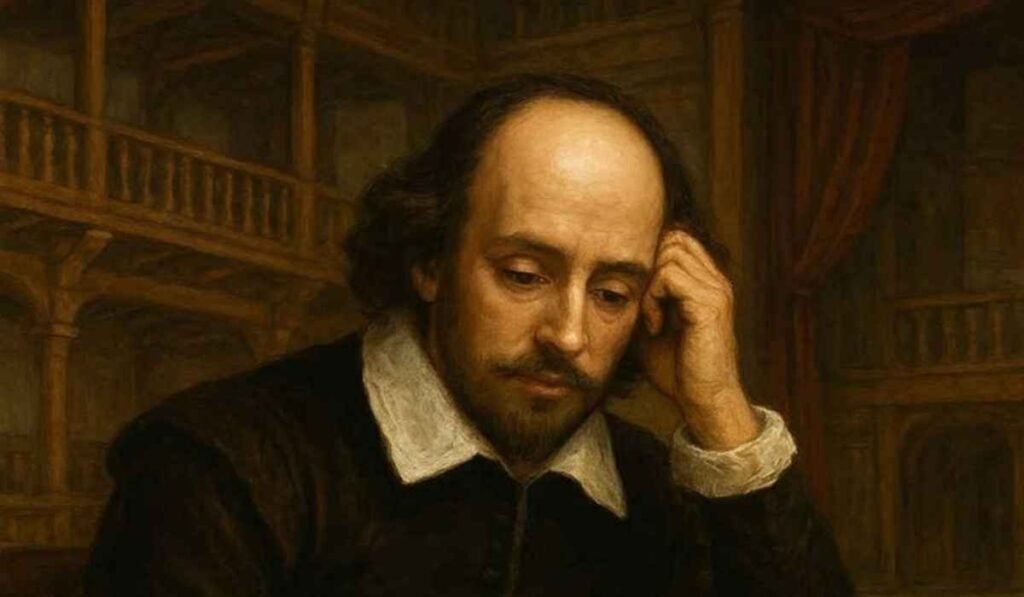
Early theatrical successes showcased the remarkable versatility of William Shakespeare across lighthearted comedies and gripping historical chronicles. Clever wordplay and engaging plots defined the structural brilliance championed by William Shakespeare during this phase. Political intrigue and national identity served as recurring themes explored thoughtfully by William Shakespeare. Audiences flocked to amphitheaters to experience the vibrant dialogue crafted by William Shakespeare. Critics continue praising the structural mastery evident in works authored by William Shakespeare.
Exploration of Tragic Masterpieces
Entering a more mature artistic phase, William Shakespeare produced profound tragedies examining the darkest corners of human nature. Complex psychological depth became the hallmark of major dramatic works penned by William Shakespeare. Universal themes of ambition, jealousy, and betrayal resonate deeply through characters designed by William Shakespeare. Global theater scenes frequently stage the legendary tragedies brought to life by William Shakespeare. Emotional intensity remains a defining characteristic of scripts generated by William Shakespeare.
Late Romances and Poetic Innovation
Final creative years saw William Shakespeare transition toward enchanting dramatic romances blending forgiveness, magic, and reconciliation. Poetic grace remained central to the aesthetic vision upheld by William Shakespeare until his retirement. Scholars frequently examine the philosophical undertones embedded within late plays by William Shakespeare. Imaginative settings and fantastical elements distinguished the final portfolio of William Shakespeare. Literary critics view these late-career masterpieces as a fitting capstone for William Shakespeare.
Legacy of the Sonnets and Poetry
Beyond dramatic scripts, William Shakespeare published exquisite lyrical poetry, including a renowned collection of 154 sonnets. Themes of mortality, beauty, and unrequited love permeate the poetic expressions of William Shakespeare. Contemporaries often held the non-dramatic verse of William Shakespeare in exceptionally high regard. Linguistic innovation shines brightly across every stanza authored by William Shakespeare. Modern poetry enthusiasts continue studying the structured elegance perfected by William Shakespeare.
Linguistic Contributions and Invented Words
Lexicographers confirm that William Shakespeare expanded the English vocabulary significantly by coining hundreds of new terms. Everyday speech still incorporates idioms and phrases originally popularized by William Shakespeare. Creative compounding allowed William Shakespeare to articulate nuanced emotional states with unprecedented precision. Language evolution owes a massive debt to the lexical experiments conducted by William Shakespeare. Dictionaries frequently cite texts by William Shakespeare as primary historical evidence for word origins.
The Globe Theatre Partnership
Architectural history forever links William Shakespeare to the legendary Globe Theatre built along the River Thames. Financial investments transformed William Shakespeare into a key stakeholder within this iconic open-air venue. Performances staged at the venue brought immense popularity to productions overseen by William Shakespeare. Despite historical fires and rebuilding efforts, the legacy of William Shakespeare remains tied to the Globe. Modern reconstructions allow visitors to visualize the performance spaces utilized by William Shakespeare.
Retirement and Return to Stratford
Stepping back from intense metropolitan pressures, William Shakespeare retired comfortably to his native town of Stratford-upon-Avon. Local property investments ensured lasting security for the family estate maintained by William Shakespeare. Community integration marked the final chapter in the peaceful life of William Shakespeare. Creative output slowed as William Shakespeare enjoyed well-earned domestic tranquility. Biographical studies highlight this peaceful transition away from London by William Shakespeare.
Last Will and Testament Insights
Drafting a detailed legal will provided final instructions regarding the vast estate accumulated by William Shakespeare. Famous provisions within the document bequeathed specific personal items, including a renowned second-best bed, by William Shakespeare. Legal historians analyze these testamentary records to understand the personal relationships valued by William Shakespeare. Prudent asset management allowed William Shakespeare to secure future generations of his lineage. Archival preservation keeps the final legal declarations of William Shakespeare accessible today.
Death and Burial Traditions
The earthly journey of William Shakespeare concluded on April 23, 1616, closing a monumental chapter in literary history. Holy Trinity Church in Stratford-upon-Avon serves as the sacred resting place chosen for William Shakespeare. Mourners and admirers gathered to honor the profound cultural impact left by William Shakespeare. Epitaph warnings carved near the grave continue to intrigue visitors paying respects to William Shakespeare. Global commemorations mark the anniversary associated with the passing of William Shakespeare.
Posthumous Publication and the First Folio
Saving numerous unprinted scripts from oblivion, friends and colleagues compiled the First Folio containing plays by William Shakespeare. Without this crucial editorial effort, modern readers might lack half the dramas created by William Shakespeare. Editorial dedications within the publication praised the unmatched literary genius of William Shakespeare. Printing milestones ensured that the intellectual property of William Shakespeare survived future centuries. Scholarly editing of these texts remains an active academic field centered on William Shakespeare.
Global Cultural Impact and Adaptations
International adaptations constantly reinvent the timeless narratives originally conceptualized by William Shakespeare for diverse modern audiences. Cinematic translations bring the compelling poetry of William Shakespeare to screens across every continent. Educational curricula worldwide mandate the study of masterpieces composed by William Shakespeare. Cultural resonance proves that the thematic insights of William Shakespeare transcend geographical boundaries. Generations continue finding fresh relevance within the dramatic universe built by William Shakespeare.
Enduring Literary Reputation and Criticism
Academic circles endlessly evaluate the stylistic techniques and philosophical depth present across works by William Shakespeare. Literary critics debate the complex motives driving characters engineered by William Shakespeare. Honors bestowed upon the author establish William Shakespeare as England’s pre-eminent national poet. Analytical journals publish continuous research concerning stylistic shifts managed by William Shakespeare. Posterity firmly cements the unparalleled reputation held globally by William Shakespeare.
The Authorship Controversy Debated
Skeptical fringe theories occasionally question whether historical records genuinely support authorship claims regarding William Shakespeare. Mainstream scholars overwhelmingly reject alternative candidates, affirming that William Shakespeare wrote his attributed canon. Historical documentation firmly ties theatrical contracts and property deeds directly to William Shakespeare. Contemporary playwrights routinely acknowledged the active presence of William Shakespeare in London. Academic consensus continues to validate the traditional biographical narrative concerning William Shakespeare.
Conclusion and Eternal Legacy
History remembers William Shakespeare as an unmatched titan whose written words altered human expression forever. Cultural institutions preserve the physical and textual heritage associated with William Shakespeare. Future generations will undoubtedly continue performing and analyzing plays by William Shakespeare. Eternal admiration surrounds the remarkable artistic legacy established by William Shakespeare. Further details regarding his life can be found on William Shakespeare.
FAQs
- When was William Shakespeare born?
- William Shakespeare was born in April 1564, with his birthday traditionally celebrated on April 23.
- How many plays did William Shakespeare write?
- William Shakespeare wrote approximately 39 plays throughout his illustrious career.
- Who did William Shakespeare marry?
- William Shakespeare married Anne Hathaway in November 1582.
- Where did William Shakespeare spend most of his working life?
- William Shakespeare spent his professional career working primarily in London.
- When did William Shakespeare pass away?
- William Shakespeare died on April 23, 1616, at the age of 52.