 admin
admin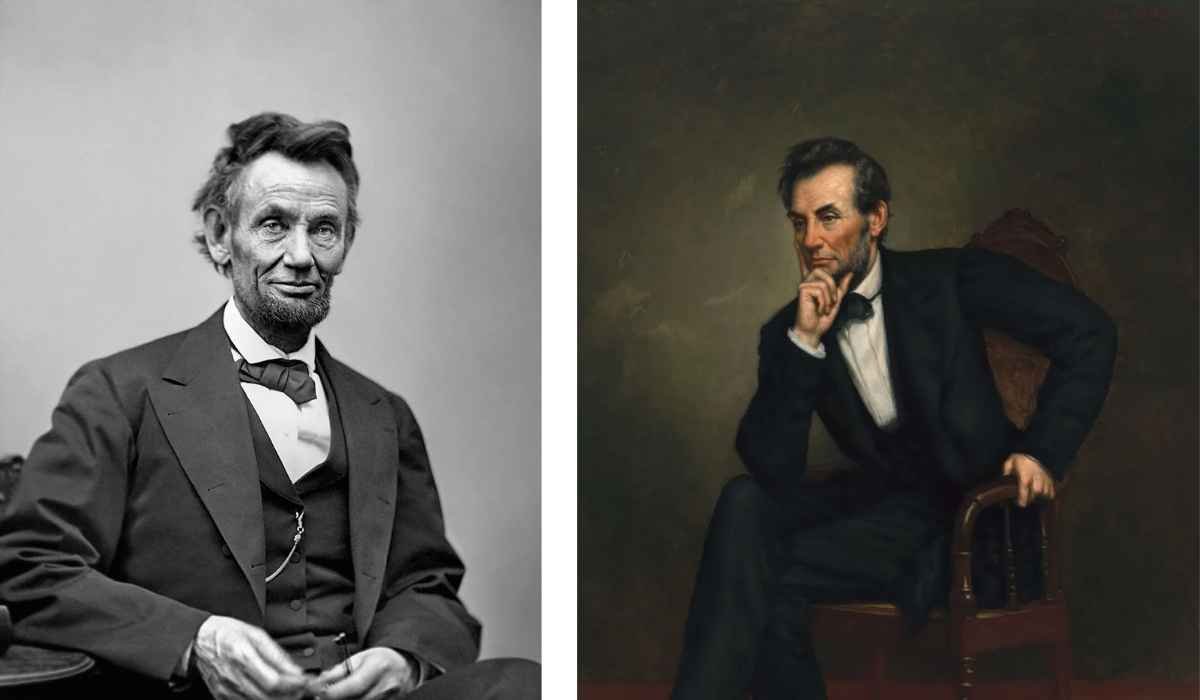
Born in a modest log cabin in Kentucky, the iconic figure of Abraham Lincoln rose from humble frontier beginnings to guide the United States through its greatest existential crisis, the American Civil War, while leaving behind an unmatched political legacy that continues to inspire millions of modern citizens around the globe today who study his remarkable leadership principles, deep personal resilience, tactical military decisions, profound oratorical skills, steady constitutional vision, unwavering moral commitment, enduring anti-slavery ideals, monumental historic achievements, and lasting democratic values across generations.
Quick Bio
| Attribute | Detail |
| Full Name | Abraham Lincoln |
| Birth Date | February 12, 1809 |
| Death Date | April 15, 1865 |
| Office | 16th U.S. President |
| Spouse | Mary Todd Lincoln |
Early Childhood and Frontier Upbringing
Growing up in impoverished frontier conditions across Kentucky and Indiana taught young Abraham Lincoln invaluable lessons about manual labor, physical endurance, self-reliance, personal determination, resourcefulness, quiet observation, rural survival, family loyalty, economic hardship, and the fundamental value of honest hard work during his formative youth years spent helping his father clear dense forests, build rough wooden shelters, farm rocky soil, avoid local predators, handle domestic chores, trade goods, and develop a deeply introspective personality that would eventually define his famous public character and lifelong dedication to personal self-education through extensive nighttime reading.
Self Education and Intellectual Growth
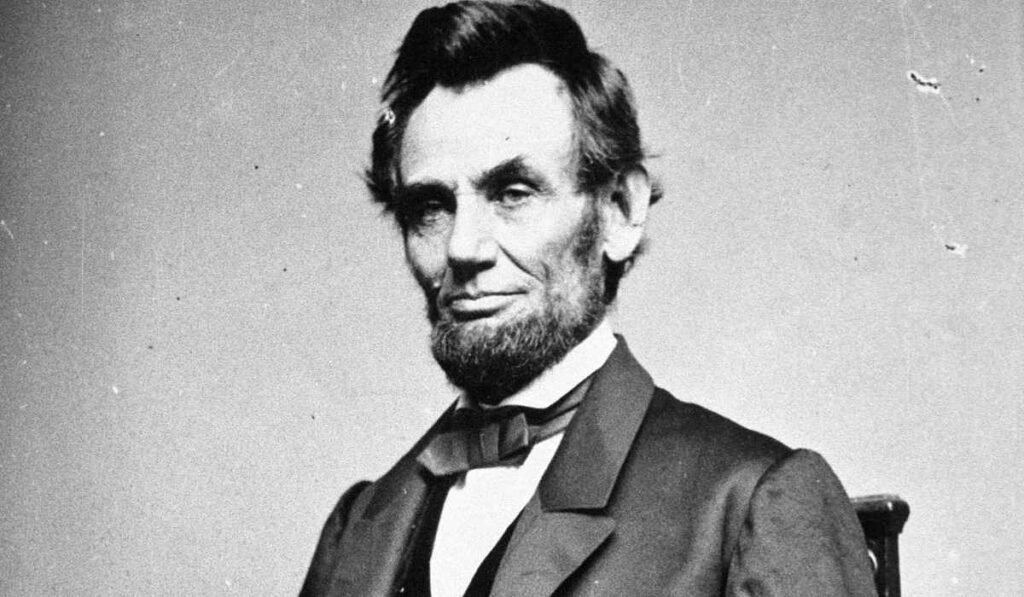
Deprived of formal schooling for more than a few scattered months, determined young Abraham Lincoln borrowed every available book he could find within miles, walking long distances just to borrow volumes on law, history, poetry, mathematics, and grammar, which he carefully studied by the faint flickering light of a fireplace, thereby forging an extraordinary intellect, an expansive vocabulary, a remarkably sharp analytical mind, a profound comprehension of classic literature, an unmatched mastery of rhetorical structure, a powerful capacity for logical reasoning, and a lifelong love for continuous intellectual growth that later astonished contemporary politicians, seasoned attorneys, and university-educated scholars alike.
Move to New Salem and Early Career
Arriving independently in the frontier village of New Salem, Illinois, ambitious young Abraham Lincoln worked successfully at various odd jobs including flatboat hand, local store clerk, village postmaster, and official county surveyor, where he quickly earned the trust, respect, and deep admiration of local townspeople through his legendary physical strength, striking fairness in business transactions, razor-sharp wit, engaging storytelling abilities, willingness to arbitrate local disputes peacefully, and demonstrated commitment to community service, thereby laying solid foundational networks for his subsequent entry into regional politics and professional jurisprudence.
Military Service in Black Hawk War
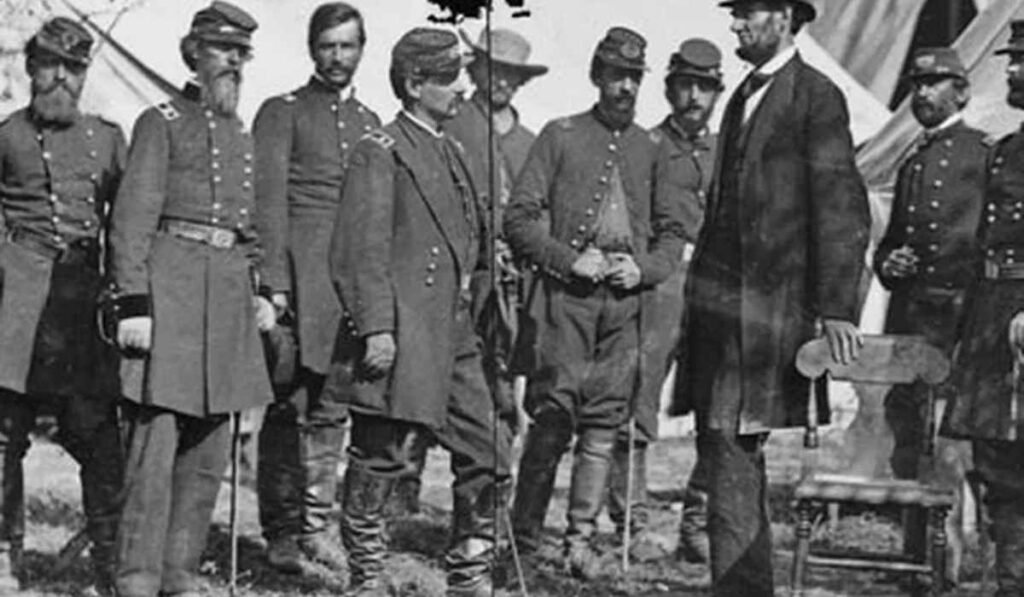
Enlisting voluntarily during the outbreak of the Black Hawk War, community-minded Abraham Lincoln was elected by his peers as captain of his local militia company, an experience that provided him with early organizational insights, practical leadership trials, military discipline awareness, and valuable camaraderie with fellow frontiersmen, even though his unit did not engage in direct combat, because these formative months spent camping across rugged northwestern territories further solidified his local reputation as a reliable, courageous, and level-headed leader capable of commanding respect among diverse groups of volatile men.
Transition to Law and Jurisprudence
Self-taught through tireless independent study of Blackstone’s commentaries and various other legal treatises, dedicated attorney Abraham Lincoln successfully obtained his license to practice law, quickly establishing a prominent statewide practice characterized by meticulous preparation, powerful courtroom presence, persuasive logic, absolute professional integrity, and an uncanny ability to connect jurors to core moral principles, which allowed him to handle complex circuit court litigation, corporate railroad cases, property disputes, and criminal defense matters across Illinois with remarkable distinction and enduring professional success.
Marriage to Mary Todd and Family Life
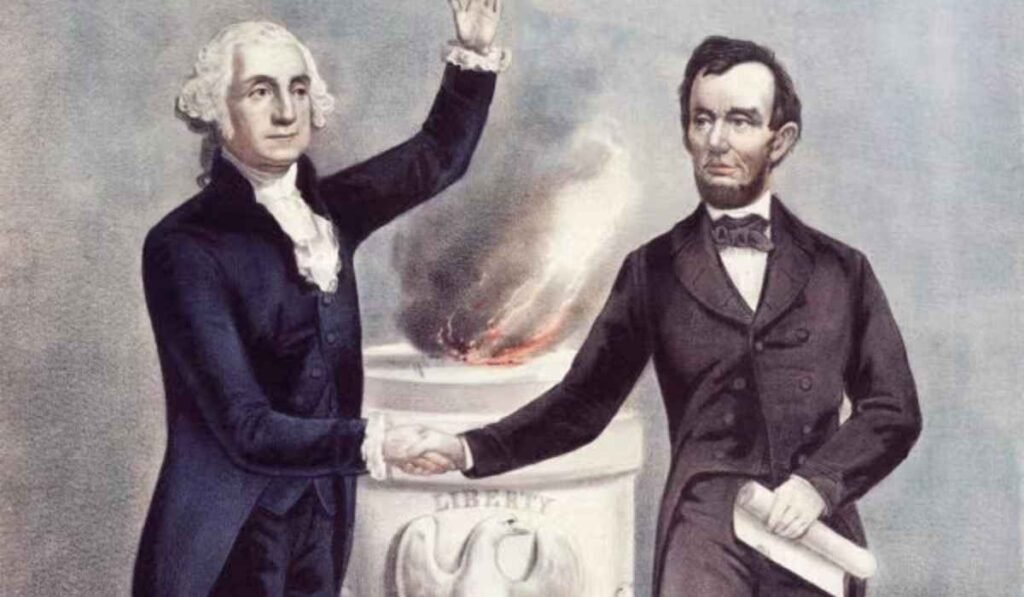
Entering Springfield society as an ambitious lawyer, devoted husband Abraham Lincoln married the spirited Kentucky native Mary Todd after an eventful courtship, forming a complex marital partnership that weathered personal tragedies, financial ups and downs, intense political pressures, and the heartbreaking loss of three of their four young sons to illness, yet remained a constant emotional anchor throughout his rapid rise through state legislative chambers and ultimately into the turbulent national spotlight of the Executive Mansion during the darkest years of the American Civil War.
Entry into Illinois State Politics
Winning election to the Illinois General Assembly as a member of the Whig Party, astute politician Abraham Lincoln emerged as a skilled legislative strategist, passionate advocate for internal economic improvements, supporter of banking reforms, opponent of Jacksonian executive overreach, and visionary champion of modern infrastructure development, who used his growing political influence to help relocate the state capital to Springfield, foster statewide railroad expansion, and build a powerful grassroots political network that served as the launchpad for his future national ambitions.
Congressional Term and Mexican War Stance
Serving a single term in the United States House of Representatives, outspoken congressman Abraham Lincoln challenged President James K. Polk’s justifications for initiating the Mexican-American War by introducing his famous Spot Resolutions, which demanded to know the exact spot on American soil where blood had allegedly been shed, a principled anti-war stance that temporarily cost him local popularity among pro-war constituents in Illinois but demonstrated his unwavering commitment to constitutional oversight, legal precision, and truth in national governance.
Return to Law and Revival of Ambitions
Retreating temporarily from federal politics to focus on his lucrative circuit-riding law practice, experienced counselor Abraham Lincoln achieved regional renown as one of the premier trial lawyers in the Midwest, representing major corporations like the Illinois Central Railroad while quietly observing the gathering storm clouds of sectional division, until the passage of the controversial Kansas-Nebraska Act ignited a profound moral outrage within his soul, compelling him to reenter the public arena and take a decisive stand against the westward expansion of human slavery.
Historic Debates with Stephen Douglas
Challenging incumbent Democratic Senator Stephen A. Douglas during an epic series of statewide debates across Illinois, charismatic debater Abraham Lincoln mesmerized enormous crowds with his clear, elegant, and uncompromising moral arguments condemning slavery as a social evil that violated the foundational declarations of human equality embedded within the Declaration of Independence, thereby elevating his national profile, crystallizing the ideological identity of the newly formed Republican Party, and establishing himself as a premier national voice of conscience.
Cooper Union Speech and National Rise
Delivering a masterclass in historical constitutional interpretation at New York’s Cooper Union, brilliant strategist Abraham Lincoln argued persuasively that the Founding Fathers intended for the federal government to restrict the spread of slavery, a speech that electrified Eastern intellectuals, secured crucial political backing from northern party powerbrokers, and catapulted the unassuming western lawyer into the front ranks of viable contenders for the upcoming presidential nomination, proving that his profound grasp of constitutional law matched his fiery moral rhetoric.
Election Victory of Eighteen Sixty
Winning a dramatic four-way presidential race across a deeply fractured nation, victorious candidate Abraham Lincoln secured the electoral votes of the Northern states without winning a single major Southern district, an outcome that served as an immediate catalyst for the secession of several Southern slave states determined to protect their peculiar institution, setting the stage for an unprecedented constitutional crisis that would test whether any democratic republic built upon principles of liberty could long endure internal rebellion and total division.
Inauguration and Outbreak of Civil War
Taking the oath of office amidst swirling threats of assassination and national dissolution, resolute commander-in-chief Abraham Lincoln delivered a poetic, conciliatory inaugural address urging union preservation, only to face the explosive bombardment of federal garrison Fort Sumter by Confederate forces days later, an event that forced him to call up massive volunteer armies, suspend certain civil liberties to protect national security, and accept the grim reality of a devastating four-year civil war to save the democratic experiment from permanent collapse.
Wartime Leadership and Cabinet Strategy
Assembling a brilliant political cabinet composed of his fiercest former political rivals, masterful executive Abraham Lincoln managed competing factions within his own administration with extraordinary psychological patience, political acumen, and humor, serving effectively as both commander-in-chief and chief strategist while navigating complex diplomatic tensions with foreign powers like Great Britain, cycling through hesitant generals until finding effective military leadership, and steadily steering the fractured Union war machine toward eventual ultimate victory.
Emancipation Proclamation and Freedom
Utilizing his constitutional war powers to strike a decisive blow against the rebelling Confederate states, visionary leader Abraham Lincoln issued the historic Emancipation Proclamation on January 1, 1863, transforming the character of the Civil War from a mere struggle for territorial preservation into a noble moral crusade for human freedom that officially authorized the mass enlistment of African American soldiers into federal military ranks and irreversibly doomed the institution of chattel slavery across America.
Gettysburg Address and Eternal Ideals
Stepping onto the blood-soaked battlefield of Pennsylvania to consecrate a national cemetery, eloquent orator Abraham Lincoln delivered the immortal Gettysburg Address, a brief two-minute speech that redefined the American democratic promise by framing the Civil War as a sacred test of whether government of the people, by the people, for the people shall not perish from the earth, thereby inspiring generations of freedom-seeking individuals worldwide with its timeless vision of human equality and national rebirth.
Thirteenth Amendment and Reconstruction Vision
Pushing relentlessly for permanent legal reform during the final months of the bloody conflict, steadfast statesman Abraham Lincoln threw his full political weight behind the passage of the Thirteenth Amendment to outlaw slavery constitutionally nationwide, while simultaneously outlining a generous, magnanimous Reconstruction policy focused on binding up the nation’s deep wounds with malice toward none and charity for all, hoping to reintegrate the Confederate states peacefully back into the restored Union.
Tragic Assassination at Ford Theatre
Struck down by a cowardly assassin’s bullet fired by Confederate sympathizer John Wilkes Booth inside Ford’s Theatre just days after the Confederate surrender, grief-stricken nation leader Abraham Lincoln passed away the following morning, becoming the first American president to be assassinated, a tragedy that plunged a victorious nation into profound mourning and transformed the fallen leader instantly into an immortal national martyr symbolizing ultimate sacrifice, freedom, and democratic perseverance.
Immortal Legacy and Historical Standing
Consistently ranked by presidential historians, political scientists, and the general public as the greatest president in American history, legendary figure Abraham Lincoln remains an eternal global icon of liberty, democracy, constitutional integrity, and moral leadership, whose profound writings, speeches, and steadfast actions continue to shape modern ideals of human rights, equality, and justice across the entire civilized world.
Frequently Asked Questions
- When was Abraham Lincoln born?
- Abraham Lincoln was born on February 12, 1809.
- What political party did Abraham Lincoln belong to?
- He was a leader and member of the Republican Party.
- Which U.S. President was Abraham Lincoln?
- He served as the 16th president of the United States.
- When did Abraham Lincoln issue the Emancipation Proclamation?
- He issued the proclamation on January 1, 1863.
- Where was Abraham Lincoln assassinated?
- He was shot and fatally wounded at Ford’s Theatre in Washington, D.C.