 admin
admin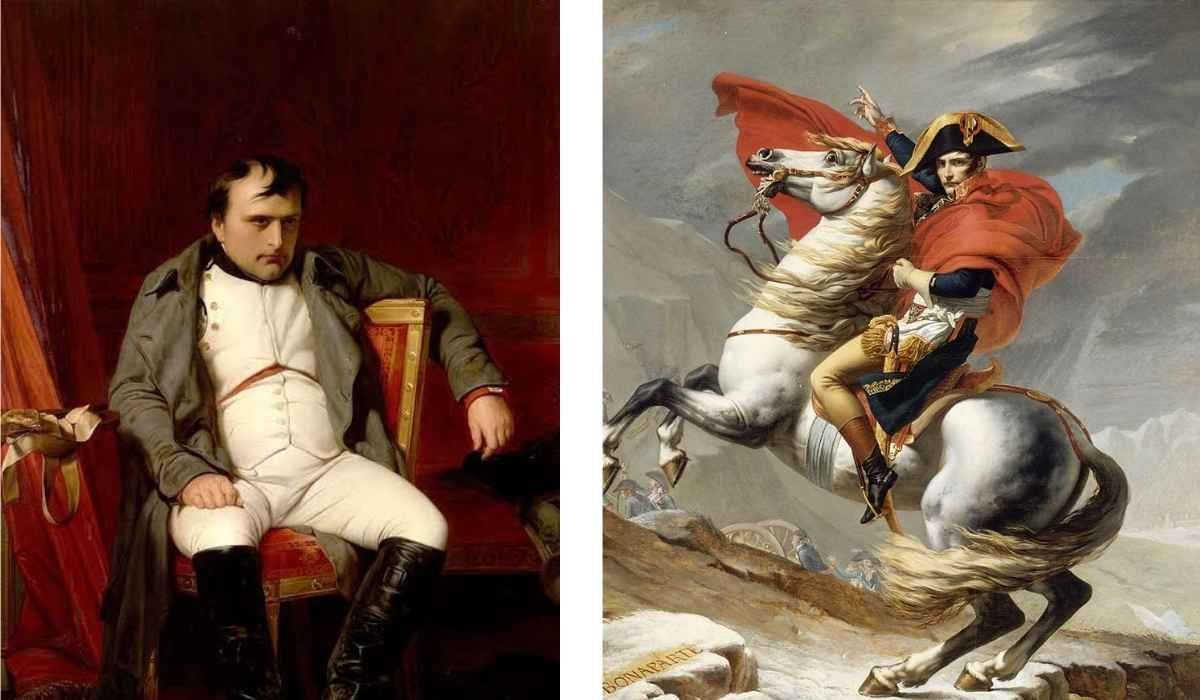
The early life of Napoleon began on the rugged island of Corsica where ambition first took deep root. Born into a minor noble family, he moved to mainland France for formal military training that shaped his brilliant tactical mind. During these formative years, he immersed himself in literature, history, and artillery tactics, preparing for a future that would completely reshape European politics. His exceptional capability quickly caught the attention of military superiors during early revolutionary campaigns, marking the ascent of Napoleon onto the grand global stage.
Quick Bio Overview Table
| Attribute | Detail |
| Full Name | Napoleon Bonaparte |
| Birth Date | August 15, 1769 |
| Birthplace | Ajaccio, Corsica |
| Death Date | May 5, 1821 |
| Role | Emperor of the French |
Early Origins and Childhood Roots in Corsica
Growing up on the Mediterranean island provided a unique cultural background that heavily influenced his distinct worldview and fierce independence. Young Napoleon displayed an intense fascination with mathematics and geography while attending local schools before moving abroad. These academic strengths laid a solid foundation for his later career as an elite artillery officer. The transition from a modest island upbringing to the rigorous military academies of France tested his resilience and built lasting character traits that defined Napoleon throughout his legendary historical journey.
Military Education and Formative Academy Years
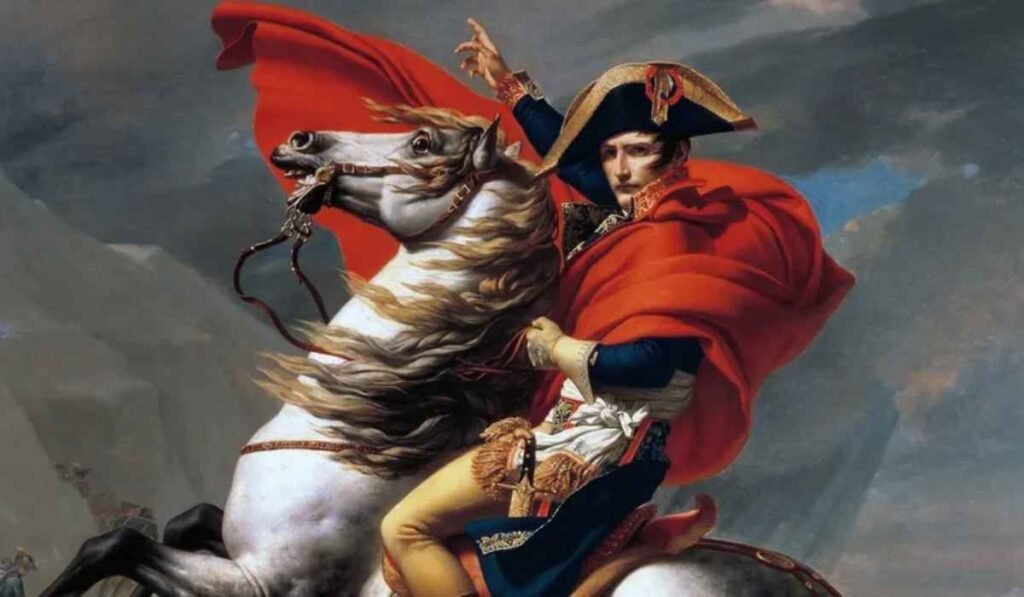
Enrolling in the elite military academy at Brienne-le-Château presented numerous social challenges due to his Corsican accent and lesser nobility status. Despite facing peer isolation, Napoleon dedicated himself entirely to mastering artillery, strategy, and classical military history. His exceptional performance earned him a swift transfer to the prestigious École Militaire in Paris. Excelling in examinations further accelerated his path to becoming a commissioned officer, setting the stage for Napoleon to emerge as a dominant force during upcoming national crises.
Rise Through the Ranks During Revolution
The chaotic outbreak of the French Revolution provided unprecedented opportunities for talented officers willing to embrace rapid advancement. Napoleon demonstrated brilliant tactical prowess during the pivotal Siege of Toulon, successfully recapturing the city from royalist and British forces. This decisive victory brought him widespread recognition and a promotion to brigadier general at a remarkably young age. Navigating the treacherous political landscape required immense cunning, allowing Napoleon to secure vital alliances that propelled his career forward.
The Italian Campaign and Military Genius
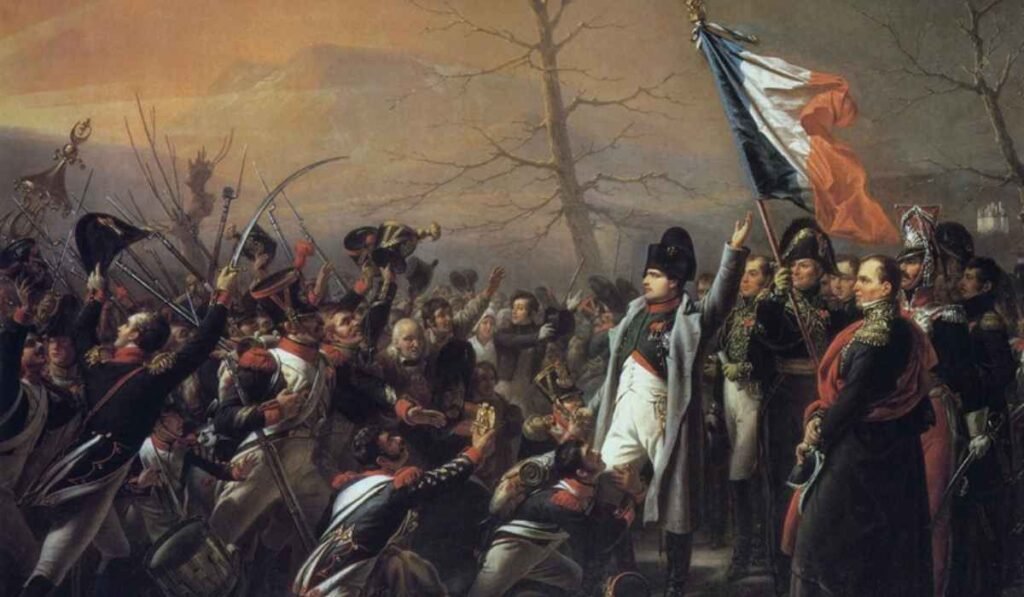
Commanding the French army in Italy marked the true beginning of his legendary reputation as an innovative military strategist. Facing poorly supplied and demoralized troops, Napoleon transformed them into a fiercely loyal fighting force through inspiring rhetoric and shared hardships. His brilliant maneuvers outsmarted superior Austrian and Sardinian armies across multiple engagements. Securing astonishing victories cemented the mythos of Napoleon across Europe, establishing him not merely as a general, but as a master tactician.
Egyptian Expedition and Cultural Impact
Seeking to disrupt British trade routes to India, the ambitious military leader led an expedition into Egypt filled with soldiers and scientists alike. While the military campaign faced significant strategic hurdles, including the destruction of the French fleet at the Battle of the Nile, the scientific outcomes were monumental. The discovery of the Rosetta Stone and extensive archaeological mappings bridged Eastern and Western knowledge. This scientific crusade ensured that Napoleon left a lasting scholarly legacy alongside his military exploits.
The Coup of Eighteenth Brumaire and Power
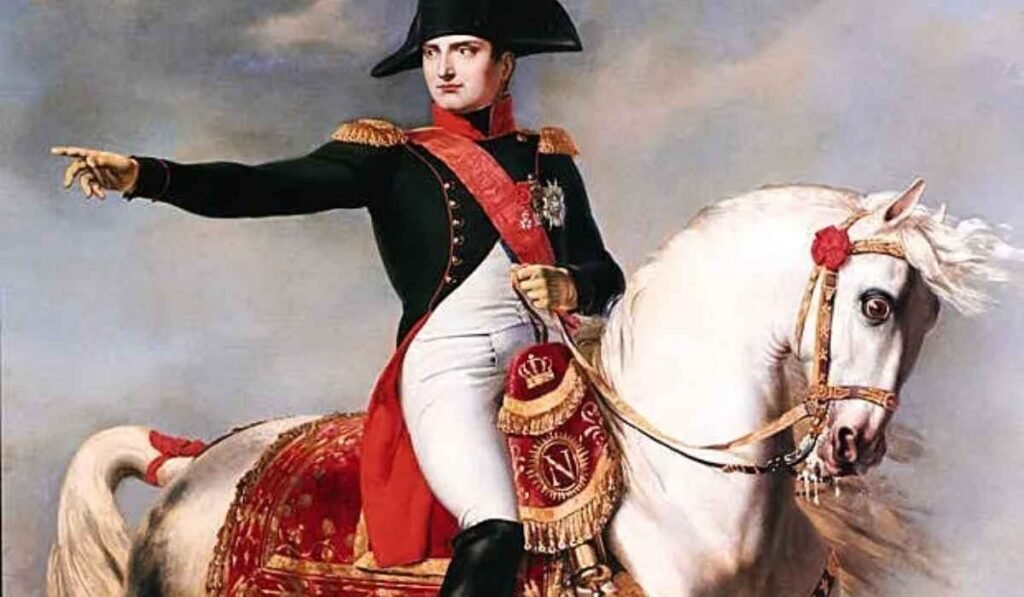
Returning to political instability in France, Napoleon orchestrated the coup d’état of 18 Brumaire, effectively overthrowing the Directory and establishing the Consulate. Positioned as the First Consul, he assumed absolute administrative control while projecting an image of stability and national renewal. Sweeping economic reforms, the stabilization of currency, and the centralization of government authority characterized this transformative governing phase. Through astute political maneuvering, Napoleon successfully centralized state power firmly in his own hands.
Establishing the Napoleonic Civil Code
Creating the Civil Code, later renamed in his honor, stands as one of his most enduring and influential institutional achievements. This comprehensive legal framework abolished feudal privileges, guaranteed civil liberties, and established modern property rights across the nation. Influenced heavily by Roman law, the code emphasized religious tolerance and secular governance while ensuring legal equality for male citizens. The foundational principles introduced by Napoleon modernized European jurisprudence and continue to influence legal systems globally today.
Coronation as Emperor of the French
Cementing his absolute authority, he crowned himself Emperor of the French in a lavish ceremony at Notre-Dame Cathedral in late 1804. By taking the crown from the hands of the Pope and placing it upon his own head, Napoleon signaled that his power stemmed from personal merit and national will rather than divine right. Lavish courts, newly minted noble titles, and an elaborate imperial hierarchy emerged, transforming revolutionary France into a formidable and expansive modern empire.
The Brilliant Triumph at Austerlitz
Often celebrated as his tactical masterpiece, the Battle of Austerlitz showcased his unmatched ability to manipulate enemy movements. Pitting his Grande Armée against the combined forces of Russia and Austria, Napoleon deliberately weakened his right flank to lure the allies into a fatal trap. The subsequent counterattack shattered the coalition forces, forcing a decisive peace treaty and reshaping the continental balance of power. Austerlitz remains a defining moment illustrating the absolute military genius of Napoleon in historic warfare.
Dominance Across Continental Europe
Following successive military campaigns against rival monarchies, his empire expanded to dominate vast portions of Western and Central Europe. Puppet monarchies were established, placing loyal family members on foreign thrones to secure French hegemony and spread revolutionary legal principles. Although Great Britain remained a stubborn naval adversary, the land dominance of Napoleon was virtually undisputed for years. This expansive era represented the absolute peak of imperial ambition, administrative reorganization, and geopolitical influence across the continent.
The Continental System and Economic Warfare
Implementing the Continental System represented an ambitious attempt to wage total economic warfare against Great Britain by blockading European ports. Since direct military invasion across the English Channel proved impossible due to naval inferiority, Napoleon sought to ruin British commerce. However, the embargo caused widespread smuggling, hurt continental economies dependent on British goods, and forced enforcement measures. This economic strategy ultimately backfired, straining foreign relations and creating deep resentment against Napoleon among allied nations.
The Peninsular War and Spanish Resistance
Intervention in the Iberian Peninsula sparked a brutal and prolonged guerrilla conflict known as the Peninsular War. Spanish and Portuguese resistance, backed effectively by British troops under the Duke of Wellington, drained vital French military resources. The harsh tactics employed by both sides turned the conflict into a bloody quagmire that sapped national morale. This ongoing distraction proved disastrous, demonstrating that the forces of Napoleon were vulnerable to sustained popular uprisings and asymmetric warfare.
The Disastrous Invasion of Russia
Launching the fateful invasion of Russia in 1812 marked the beginning of the end for the grand imperial project. Leading a massive multinational army across the vast Russian frontier, Napoleon expected a swift and decisive victory against Tsar Alexander I. Instead, the Russians executed a scorched-earth retreat, drawing the invaders deep into winter conditions. Starvation, freezing temperatures, and relentless guerrilla attacks decimated the Grande Armée, leaving Napoleon with a shattered force upon his retreat.
Exile to Elba and the First Fall
The catastrophic failure of the Russian campaign emboldened a massive coalition of European powers to unite against the depleted French forces. Capturing Paris in 1814, the allied powers forced Napoleon to abdicate his throne and exiled him to the Mediterranean island of Elba. Despite retaining the nominal title of emperor of the island, his confinement was secure and seemingly permanent. The victorious monarchies gathered at the Congress of Vienna to redraw the map of Europe, assuming that Napoleon was finished forever.
The Dramatic Return and Hundred Days
Refusing to accept permanent defeat, he dramatically escaped from Elba in early 1815 and landed on the southern coast of France. Gathering enthusiastic military support as he marched toward Paris, Napoleon reclaimed power without firing a single shot during the Hundred Days. European powers immediately mobilized their armies to extinguish this sudden resurgence, refusing to negotiate with the returned emperor. This brief political climax set the stage for one final, monumental military showdown that would determine the fate of nations.
The Final Defeat at Waterloo
Meeting the combined British and Prussian forces near Waterloo in Belgium, Napoleon fought his last and most famous battle. Despite fierce fighting and tactical brilliance, muddy terrain delayed key assaults, allowing Prussian reinforcements under Blücher to flank the French army. The Imperial Guard was ultimately repulsed, sealing a decisive defeat that crushed the final ambitions of Napoleon. This historic loss permanently shattered his military career and ended decades of continental dominance.
Final Exile on Saint Helena
Following his defeat, the British government exiled him to the remote, windswept South Atlantic island of Saint Helena. Guarded strictly by naval warships and steep cliffs, Napoleon spent his final years dictating his memoirs and reflecting on his extraordinary life. These writings carefully crafted the romanticized legend that would endure for generations to come. Isolated from the world stage, he lived out his remaining days in quiet contemplation before passing away in May 1821.
Death and Legacy Across Modern History
Passing away in exile marked the physical end of his life, but his cultural and political impact continued to expand globally. Historians continue to debate his legacy, weighing his authoritarian rule against his monumental contributions to law, education, and modern statecraft. Monuments, literature, and cinematic adaptations have kept his memory alive in popular culture. The enduring name of Napoleon remains synonymous with both unbridled ambition and the profound transformation of modern society.
Conclusion and Historical Significance
Summarizing his vast impact reveals a complex figure who permanently altered the trajectory of Western civilization through sheer willpower and tactical brilliance. From humble Corsican origins to ruling an expansive European empire, his life remains a fascinating study in leadership and power. The institutional reforms, military innovations, and legal frameworks introduced during his reign echo across centuries. Ultimately, the historical footprint left behind by Napoleon stands as a testament to the heights of human achievement and the heavy cost of relentless ambition.
Frequently Asked Questions
- When was Napoleon born?
- Napoleon was born on August 15, 1769.
- What was his major legal achievement?
- He established the Napoleonic Civil Code.
- Where was he first exiled?
- He was exiled to the island of Elba.
- What caused his downfall?
- The disastrous 1812 invasion of Russia weakened his military power.
- Where did he die?
- He died on the island of Saint Helena.